

 Tiếng Việt
What is a Hydraulic Power Unit? Structure, Applications, and Types
Known for its many outstanding advantages, the hydraulic power unit (HPU) has now become an indispensable piece of equipment in hydraulic fluid-operated systems. This product can meet heavy and harsh operational demands, making it widely used across various production lines.
Despite its widespread use, many people still do not fully understand this modern equipment. Today, let’s explore the characteristics, operating principles, and the most reputable suppliers of high-quality hydraulic power units in Hanoi.
What is a Hydraulic Power Unit?
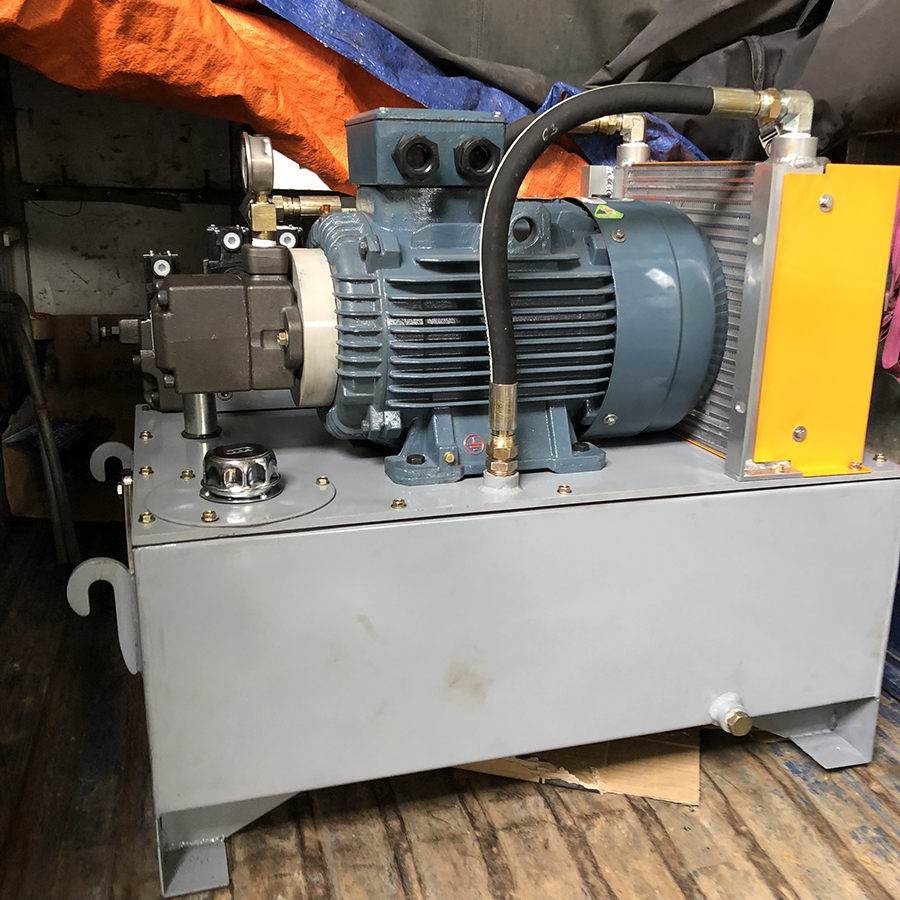
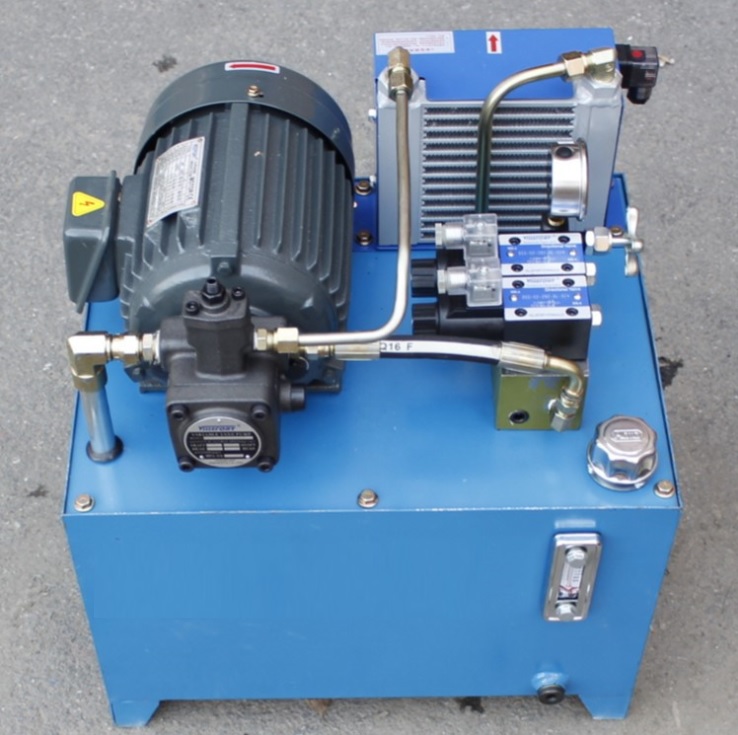
A hydraulic power unit, or hydraulic power station, is a device that provides pressurized flow to hydraulic motors, cylinders, and other hydraulic components. Unlike traditional pumps, a hydraulic power unit contains fluid and maintains it at a safe operating temperature. A hydraulic power station is an integrated system consisting of: a hydraulic pump, a motor, an oil reservoir, hydraulic valves, and accessories. Specifically:
- There are three types of pumps: gear pumps, vane pumps, and piston pumps.
- The oil reservoir comes in various capacities and is made of stainless steel or aluminum to prevent corrosion over time.
- There are many types of hydraulic valves, but they fundamentally consist of three main categories: check valves, flow control valves (throttle valves), and relief valves.
- Hydraulic accessories installed in the hydraulic power unit are selected based on specific operational requirements and field conditions.
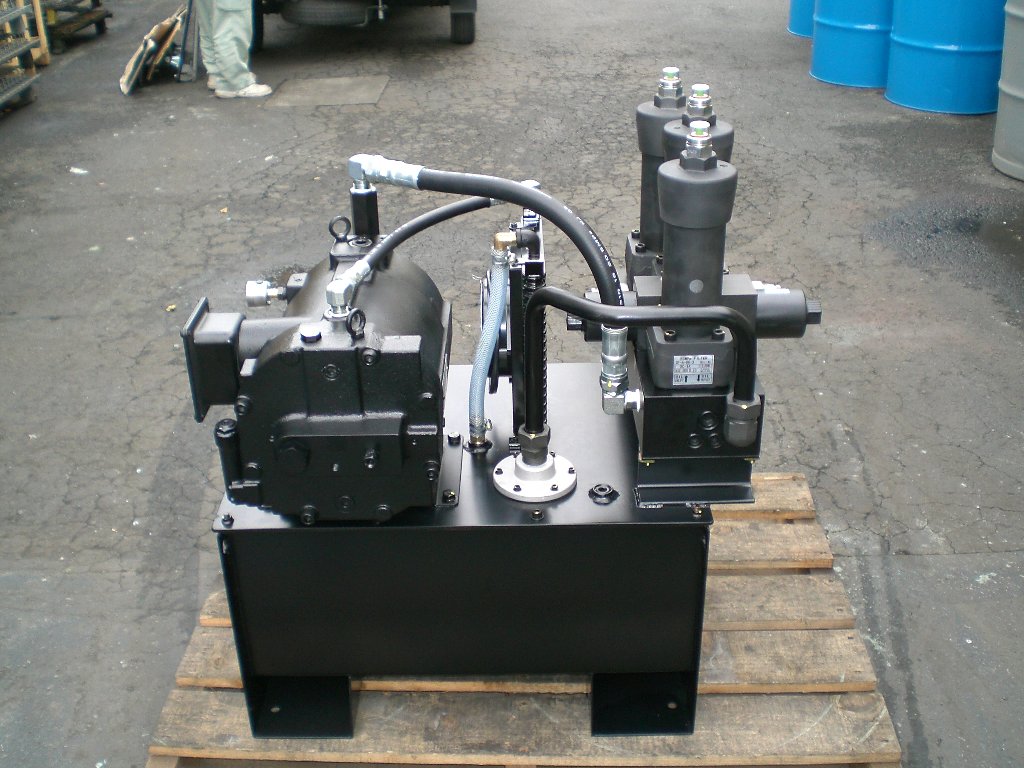
Structure of a Hydraulic Power Unit
Hydraulic Pump
The pump is a critical component of the power station. The main function of the hydraulic oil pump is to draw oil from the hydraulic reservoir and deliver a pressurized flow of oil through the supply lines into the working cylinders. The pump connects to the motor via a hydraulic coupling and can be mounted on the surface of the oil reservoir.
Hydraulic pumps are divided into 3 main types based on their structure and operating characteristics: Piston pumps, vane pumps, and gear pumps.
If users require a hydraulic pump with medium pressure and high flow rate, they can choose gear pumps or vane pumps for systems needing moderate oil volume and pressure. In applications requiring a high-pressure oil source, the piston pump remains the optimal solution.
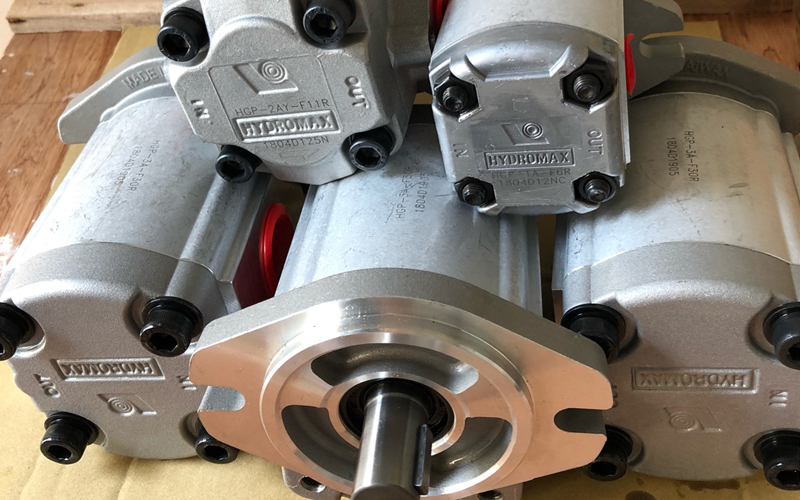
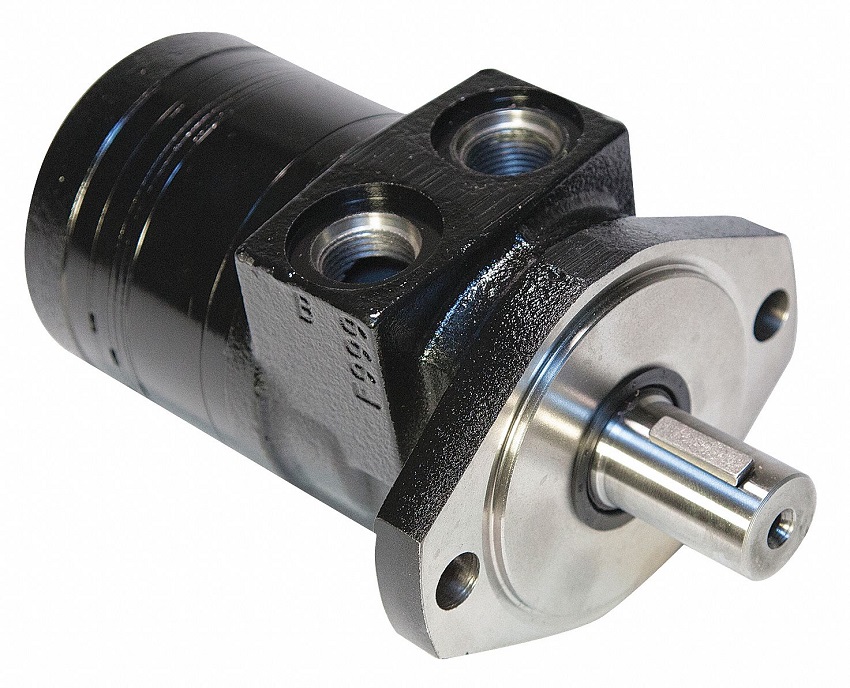
Hydraulic Motor (Electric Motor)
The motor plays a crucial role in the hydraulic pump system. This device converts the supplied electrical energy into mechanical energy. The pump shaft connected to the hydraulic motor transmits the drive, generating rotational movement for the pump. Observing various power units, you will notice that two-way electric motors are becoming increasingly popular. Calculating the actual capacity of a motor for a power system depends on the operating pressure of the pump and the oil displacement of the hydraulic pump.
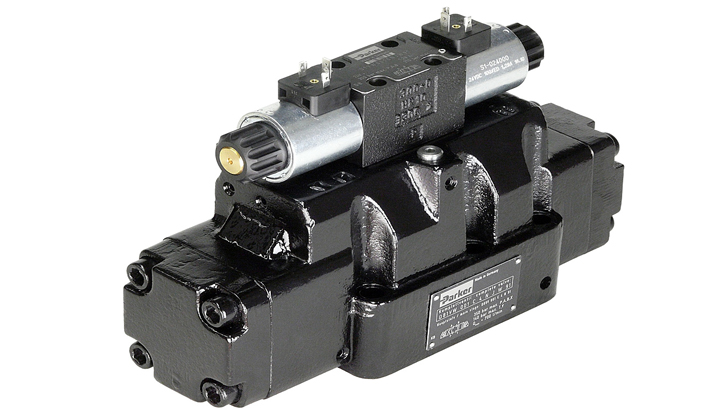
Hydraulic Valves
To regulate the hydraulic oil flow within the pump system, a hydraulic valve system is required, which includes:
- Directional Control Valves: Users can select manual monoblock or sectional lever valves, or single/double solenoid valves that function to open, close, and regulate oil flow to the cylinders.
- Check Valves: This valve is installed separately from the pump, allowing oil to flow in only one direction to prevent fluid from backing up into the pump system, which could cause damage.
- Relief Valves: This component ensures the pressure of the hydraulic pumping station remains within permissible limits, maintaining system safety. If the pressure exceeds the limit, the relief valve opens to automatically discharge oil back into the reservoir, thereby reducing the pressure.
The GCT gauge isolator valve serves to protect pressure gauges or measuring instruments from continuous and prolonged exposure to system pressure. When returning to a stable state, the valve closes. When a reading of the current pressure level is required, the valve opens to allow the gauge to take a measurement.
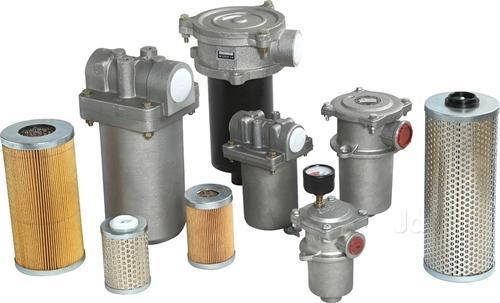
Return Filter
Contaminated oil containing debris is a direct factor that degrades oil quality and reduces the lifespan of the equipment within the system. Common impurities found in the oil include dirt, nylon particles, iron filings, or byproducts of component oxidation inside the hydraulic power station.
The return filter is a device that helps enhance oil performance through a filtration process, completely removing all contaminants. This ensures a clean oil supply for the pump and surrounding operational equipment. The finer the mesh size of the return filter, the cleaner the oil will be inside the power unit.
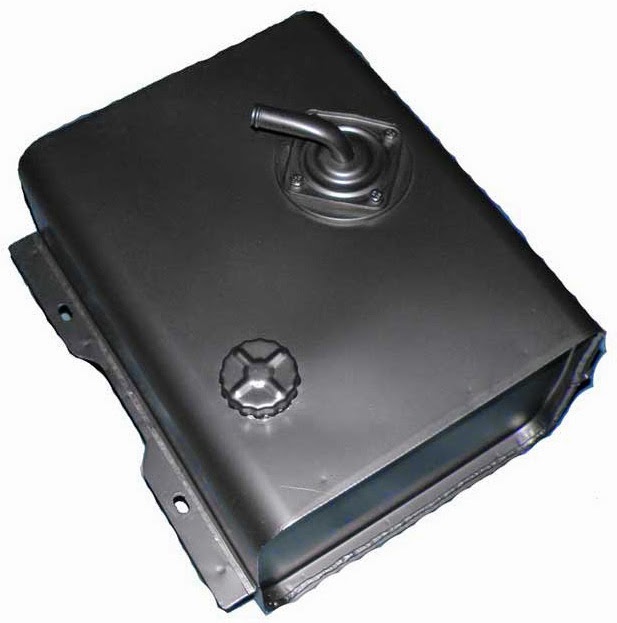
Oil Reservoir (Tank)
The oil reservoir typically features a rectangular box design made of stainless steel, galvanized iron, or standard steel. Aside from storing the required volume of oil for the hydraulic system, it also functions as a space for heat dissipation and provides a solid base for systematically mounting cylinders, pumps, and motors.
Calculating the reservoir’s volume depends on the equipment’s power and the required oil displacement. Below are some common sizes available on the market today:
- 30-liter reservoir (320 x 420 x 200/275), (450 x 320 x 210)
- 40-liter reservoir (350 x 520 x 200/280), (500 x 350 x 230), (500 x 350 x 350)
- 55-liter reservoir (500 x 360 x 310)
- 60-liter reservoir (600 x 420 x 280)
- 100-liter reservoir (600 x 460 x 360)
- 199-liter reservoir (780 x 50 x 440)
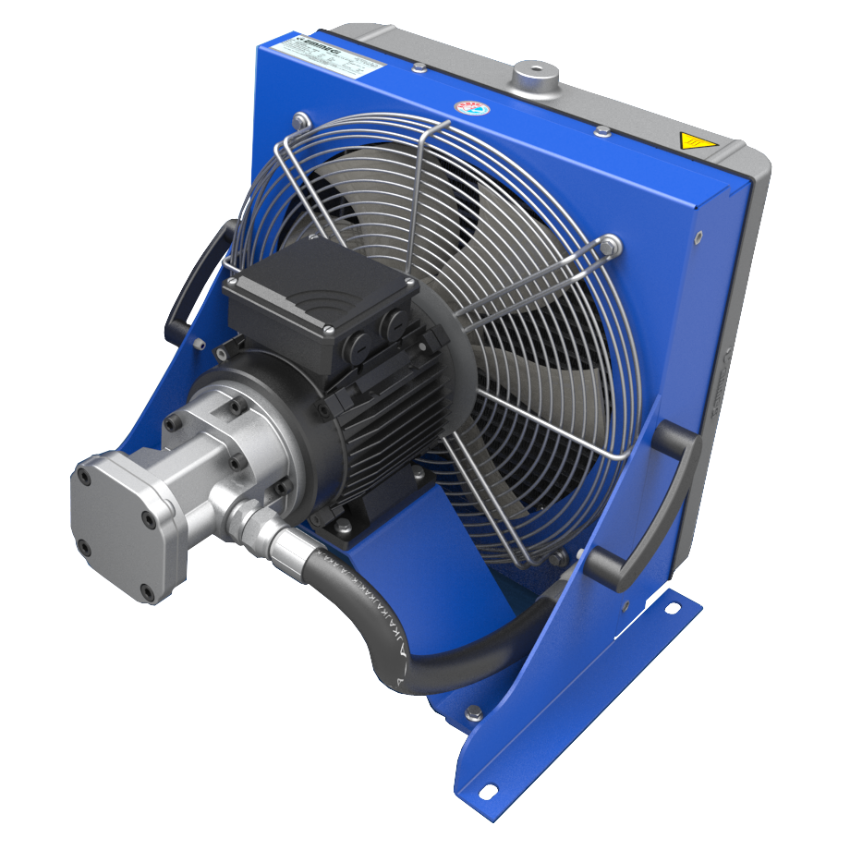
Cooling System
High temperatures are a leading cause of hydraulic oil degradation. Heat breaks down the oil structure and introduces harmful elements into steel and rubber components. Therefore, to maximize the lifespan of a hydraulic power station, users must install a cooling system. This equipment lowers the oil temperature, ensuring it stays within safe limits. There are two common types of cooling devices integrated into power stations:
- Air Coolers (Cooling Fans): If the oil temperature does not exceed 60°C, an air cooler is recommended. The advantage of a cooling fan is that it minimizes system downtime, increases productivity, and offers a relatively long lifespan.
- Water-Cooled Oil Coolers (OR): These devices are used when operating temperatures exceed 60°C. Their main advantage is quiet operation. They utilize water or coolant solutions to dissipate heat, featuring a highly compact and robust design.
Other Accessories
- The pressure gauge measures and displays the fluid pressure at the installation point. It displays pressure via a dial or digital readout, allowing users to monitor the system and intervene immediately in case of overpressure or pressure drops. Gauges are categorized into various types, with two common diameters being 63mm and 100mm: liquid-filled gauges, dry gauges, bottom connection gauges, and back connection gauges.
- Hydraulic hoses transport oil from the power unit to operational valves, pistons, and pumps. Hoses also act as a secondary storage for a certain volume of fluid. They are classified into two types: rigid pipes and flexible hoses. Hydraulic hoses are typically made from synthetic rubber, copper, thermoplastic, or stainless steel. The outer layer must be highly durable to withstand harsh environmental conditions, while the inner tube must be compatible with the fluid.
- The filler breather cap and dipstick are two accessories used to protect the oil reservoir. The filler cap is paired with a strainer to filter out impurities when refilling the tank. Furthermore, it allows the reservoir to breathe, regulating air pressure inside. The cap is mounted on the main port of the tank.
- The fluid level indicator is used to accurately display the volume of oil currently in the reservoir. Regularly checking the indicator helps operators refill oil in a timely manner and prevents fluid depletion.
- Hydraulic fittings are used to securely connect hydraulic hoses and components. A high-quality fitting must meet standard technical specifications, withstand ambient temperatures, and resist oxidation in the air.
Operating Procedure of a Hydraulic Power Unit
Every piece of equipment or system has its own operational procedure, and the hydraulic power unit is no exception. Below is the standard operating sequence for a commonly used mini hydraulic power unit:
- The hydraulic power unit operates only when connected to a suitable power supply and turned on. When the power is switched on, the relay coil is energized and closes the two normally open contacts.
- At this point, the motor receives power and starts running. The motor converts the supplied 220V electrical current into mechanical rotational energy, transmitting it to the pump shaft.
- Once the pump runs, it draws oil from the reservoir and forces it through the system at a specific pressure, which is regulated by the relief valve. Depending on whether a gear, vane, or piston pump is used, the pressure and flow rate will vary.
- When the power supply is cut off, the contacts open, and the motor stops spinning. The hydraulic pump halts, and the actuators in the power unit are locked in place by the check valve.
- During the return phase, the control panel supplies power to the coil of the hydraulic solenoid valve. This allows the fluid to discharge through the flow control valve and return to the reservoir.
- To resume operation, simply turn the power back on to begin a new cycle. To adjust the system pressure, monitor the gauge readings. A pressure switch can also be utilized for automated pressure regulation.
Outstanding Advantages of Hydraulic Power Units
Using a hydraulic power unit brings numerous excellent benefits. Key advantages include:
- Due to its compact characteristics, the power unit creates a neat and modern workspace, suitable for almost all production lines and machinery systems.
- Whether standard-issued or custom-machined, hydraulic power unit designs strictly adhere to standard specifications and are highly versatile, easily meeting customer demands.
- With an affordable 220V hydraulic power unit price, users can freely select components that fit their specific requirements to assemble their pumping station.
- High operational efficiency, with a working lifespan that can reach up to 20 years.
- High-quality, fully imported components.
- Extremely simple and rapid repair and maintenance procedures.
Applications of Hydraulic Power Units in Manufacturing
In reality, hydraulic power units are frequently applied in various industrial machinery systems, such as:
Power Units for Hydraulic Presses
Almost all hydraulic presses are equipped with a dedicated power unit. Utilizing a hydraulic power unit ensures high-capacity pressing of materials like mud, bricks, or scrap metal. It also guarantees precision, safety, and significantly reduces fuel and manual labor consumption.
Power Units for Hydraulic Lift Tables
Lift table power stations allow for the smooth control of hydraulic lift tables when elevating heavy loads. The station acts as the source providing pressurized fluid to the hydraulic cylinders for linear motion. This enables loading platforms and lifts to hoist heavy-tonnage cargo seamlessly.
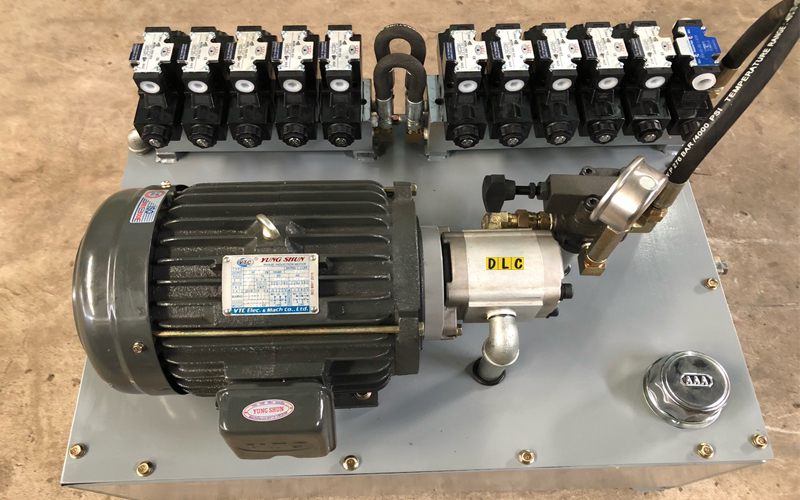
Other applications of hydraulic power units for industrial lifting equipment include:
- Mobile Yard Ramps for loading and unloading containers.
- Dock Leveler Hydraulic Power Units tailored for loading dock levelers.
- Hydraulic power units for freight elevators and scissor lifts.
Technical specifications for hydraulic lift table power units can vary depending on the manufacturer and model. However, key parameters to consider include:
- Motor capacity: Typically ranging from 1.5 kW to 2.2 kW.
- Voltage: 220V (residential) or 380V (industrial).
- Pump displacement: Measured in cc/rev (cm³/revolution), representing the oil volume pumped per rotation.
- Working pressure: Measured in bar, representing the maximum pressure the system can generate.
- Reservoir capacity: Generally between 6 to 20 liters.
- Mounting style: Can be installed horizontally or vertically depending on space and requirements.
Example
A hydraulic power unit for an X-scissor lift table might have the following specifications:
- Capacity: 1.5 kW
- Voltage: 220V
- Pump displacement: 2.1 – 40 cc/rev
- Working pressure: 140 – 160 bar
- Reservoir capacity: 10 liters
- Installation: Horizontal
The market for hydraulic lift table power units is highly diverse, featuring numerous renowned brands that offer a wide array of choices. Notable global brands include Enerpac, Parker, Bosch Rexroth, Eaton, and Hydac.
Stirrup Bender Power Stations
Bending iron straps into springs, arches, or straightening iron, steel, and copper bars requires immense, stable force, which is precisely where these power stations are utilized. Designed to be transported across various construction sites, these units feature the most compact and streamlined builds.
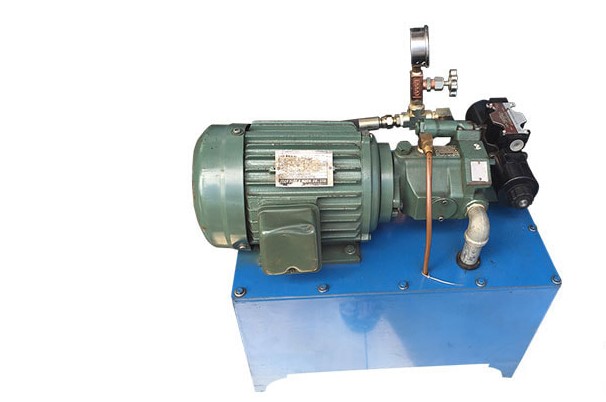
Press Brake Power Stations
When operating, press brakes require a tremendous amount of force to fold metal sheets such as corrugated iron, steel, or aluminum. To meet the heavy demands of building material factories, modern press brakes are now integrated with hydraulic power units.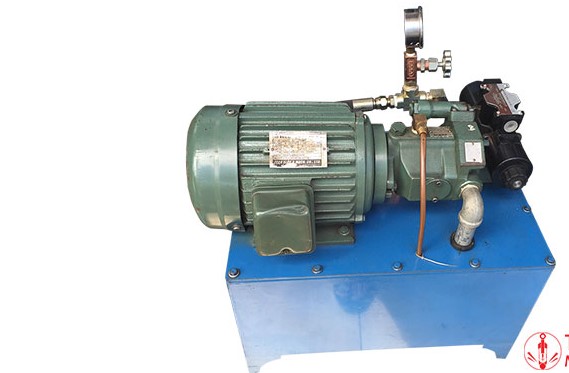
Rebar Bender Power Units
Mini hydraulic power units are frequently used to supply consistent force for bending iron bars of varying sizes to cater to pillar casting, floor pouring, pile pressing, or foundation construction. This equipment is widely adopted in construction and mechanical engineering due to its fast operational speed and capability to handle large volumes.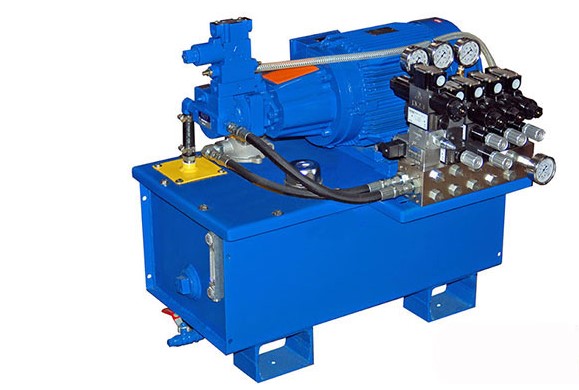
Tractor Hydraulic Power Stations
Hydraulic power units for tractors are widely applied in the logging industry and various agricultural mechanized vehicles. Depending on the load capacity of the pulled goods, manufacturers will design a power station with the appropriate output.
Common Types of Hydraulic Power Units
Industrial Hydraulic Power Units
Industrial hydraulic power units are heavily utilized in large-scale factories and enterprises. These units run on either diesel engines or 3-phase 380V electric motors. Featuring high horsepower, these hydraulic power units are applied in heavy machinery such as hydraulic presses, punching machines, or other equipment that operates continuously in manufacturing and construction.
Mini Hydraulic Power Units
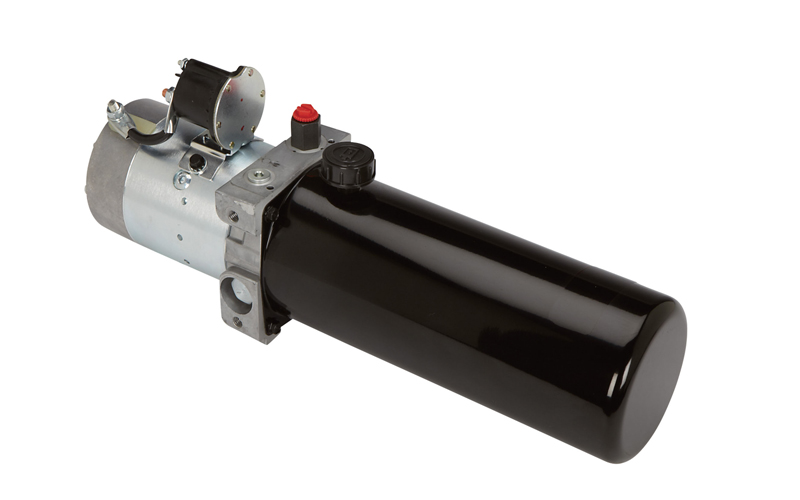
Mini hydraulic power units feature a compact design, primarily utilized in mobile applications with intermittent usage frequencies. This equipment is commonly integrated into automotive lifts, motorcycle lifts, electric pallet jacks, and dock levelers.
Latest Hydraulic Power Unit Quotes
Hydraulic power units are drawing increasing attention from businesses. Owing to their exceptional functional capabilities, these power stations have become an essential element of any hydraulic oil-operated system.
Understanding current customer demands and market trends, many companies and suppliers have released pre-assembled hydraulic power units featuring a full range of capacities, sizes, qualities, and price points.
Due to this vast diversity in sizes, models, and origins, the price of 220V hydraulic power units varies significantly. The specific selling price will depend entirely on the exact system and components the customer selects.
For a detailed hydraulic power unit quote and product consultation, please contact Naltako Industrial Joint Stock Company directly via hotline: 0981 977 898 – 0349 727 899.
Naltako is a specialized unit in designing, importing, and distributing hydraulic and industrial lifting equipment. With a team of highly experienced engineers and a customer-first philosophy, Naltako is confident in delivering the highest quality products at the most competitive prices in the market.
Conclusion
Ultimately, the hydraulic power unit is an irreplaceable device across numerous industrial, mechanical, construction, medical, and renewable energy applications. Despite possessing many outstanding features, ensuring the best performance requires selecting a reputable supplier known for high-quality products. Additionally, utilizing a hydraulic power unit demands proper management and maintenance protocols to guarantee system safety and reliability.
CONTACT INFORMATION:
Naltako Industrial Joint Stock Company
Factory Address: Phú Nghĩa Industrial Park, Chương Mỹ, Hanoi
Hotline: 0981.977.898
Email: nhat.mtk53@gmail.com
Nội dung có liên quan:
-
 What is a Piston? Structure and Operating Principle
If you work in the repair and installation of industrial equipment, you have surely heard terms such as: steam engines, internal combustion engines, etc. A...
What is a Piston? Structure and Operating Principle
If you work in the repair and installation of industrial equipment, you have surely heard terms such as: steam engines, internal combustion engines, etc. A...
-
 Hydraulic Oil Radiators – Oil Coolers for Hydraulic Systems
What solution will support you in the process of cooling and cleaning hydraulic oil? That is using a hydraulic oil cooler immediately. However, each system...
Hydraulic Oil Radiators – Oil Coolers for Hydraulic Systems
What solution will support you in the process of cooling and cleaning hydraulic oil? That is using a hydraulic oil cooler immediately. However, each system...
-
 Compressed Air Filters: Construction, Working Principle, and Classification
Compressed air filters are a common and essential device, designed to effectively remove impurities and dirt that may exist in compressed air, helping you ...
Compressed Air Filters: Construction, Working Principle, and Classification
Compressed air filters are a common and essential device, designed to effectively remove impurities and dirt that may exist in compressed air, helping you ...
-
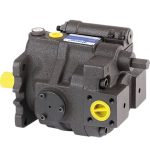 Piston Pumps: Definition, Classification, Applications, and Pricing
If vane pumps or hydraulic gear pumps are selected for low-pressure systems, the hydraulic piston pump line is designed for high-pressure machinery requiri...
Piston Pumps: Definition, Classification, Applications, and Pricing
If vane pumps or hydraulic gear pumps are selected for low-pressure systems, the hydraulic piston pump line is designed for high-pressure machinery requiri...
-
 What is a Gear Hydraulic Pump? Structure and Classification
With a simple structure, convenient assembly and operation, and the ability to withstand heavy loads for a specific duration, gear hydraulic pumps are wide...
What is a Gear Hydraulic Pump? Structure and Classification
With a simple structure, convenient assembly and operation, and the ability to withstand heavy loads for a specific duration, gear hydraulic pumps are wide...
-
 Hydraulic Pumps
In today's industries, from high-rise buildings to manufacturing plants, hydraulic pumps play a crucial role. This component helps devices such as yard ram...
Hydraulic Pumps
In today's industries, from high-rise buildings to manufacturing plants, hydraulic pumps play a crucial role. This component helps devices such as yard ram...
-
 Hydraulic Seals: Classification, Installation & Replacement
Hydraulic seals are vital components in a hydraulic system, yet not everyone fully understands them. If you are looking for information on seal types, inst...
Hydraulic Seals: Classification, Installation & Replacement
Hydraulic seals are vital components in a hydraulic system, yet not everyone fully understands them. If you are looking for information on seal types, inst...
-
 Grating Flooring (Galvanized Steel Grating): Features, Applications, and Quotes
What is Grating Flooring?
Grating flooring (also known as galvanized steel grating or grating panels) is a type of floor formed from load-bearing steel ba...
Grating Flooring (Galvanized Steel Grating): Features, Applications, and Quotes
What is Grating Flooring?
Grating flooring (also known as galvanized steel grating or grating panels) is a type of floor formed from load-bearing steel ba...