

 Tiếng Việt
General Regulations on Cargo Loading and Securing During Transport
The safe transportation of goods primarily requires them to be loaded and secured safely; this not only ensures no damage to the goods but also makes moving, loading, and unloading easier. Let’s explore the current regulations on loading and unloading goods on trucks with Naltako.
General Rules for Loading Goods on Trucks
The general principles for loading goods on trucks according to Article 4 of Circular 35/2013/TT-BGTVT are as follows:
– Carriers must select vehicles suitable for the type of goods being transported.
– The loading and transportation of goods must comply with regulations regarding the allowable payload of the truck, the load limits of bridges, tunnels, and roads, ensuring compliance with technical safety and environmental protection regulations.
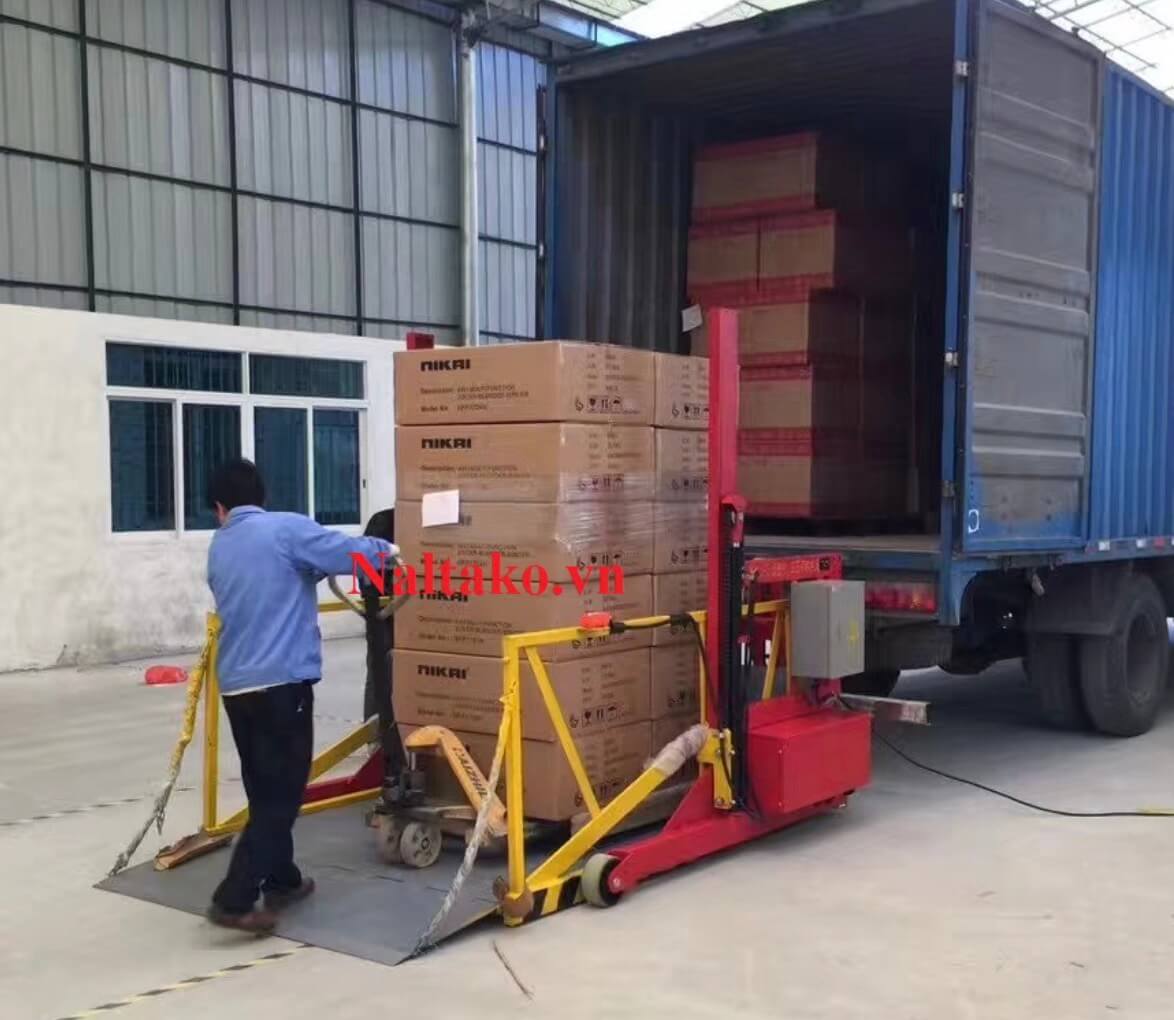
– For goods that are fuels or other transport vehicles, all gasoline must be drained from the fuel tanks before being loaded onto the truck.– Goods loaded on the truck must be distributed evenly, not leaning to one side, and must be carefully lashed to ensure they do not shift during transportation.
See more: Safety regulations for hydraulic lifting equipment during operation
Must-know Regulations for Loading Goods on Trucks
The regulations for loading goods on trucks according to Articles 5, 6, 7, and 8 of Circular 35/2013/TT-BGTVT are as follows:
Regulations for Loading Bulk Cargo on Trucks
– When transporting bulk cargo, specialized trucks with roofs or containers must be used.
– In cases where bulk cargo is transported on trucks without enclosed bodies, the carrier must use equipment or means to cover the goods, ensuring that the goods do not spill during transportation.
– Guidelines for packaging bulk cargo are illustrated in Appendix 1 of Circular 35/2013/TT-BGTVT.
👉 See more: Loading bulk cargo on trucks using a mobile ramp.
Regulations for Loading Packaged Goods on Trucks
– Large packages with sturdy packaging must be placed at the bottom.
– Packages of similar size should be placed next to each other.
– Packages that tend to lean should be placed in the middle of the stack.
– If there are gaps between packages, forklift ramps or dunnage materials must be used to prevent impact or shifting during transport. If gaps remain after loading, they must be reinforced to secure the goods.
Regulations for Loading Cylindrical Goods on Trucks
– Cylindrical goods are loaded horizontally or longitudinally along the truck depending on the height of the goods relative to the truck body. When tilted, they should be level with the truck height.
– If the height of the cylinder is lower than its diameter, the cylinder should be placed vertically.
– Cylindrical goods must be lashed to the vehicle body or secured using struts, support frames, or dunnage to limit movement during transportation.
– If the cylindrical goods have non-smooth surfaces, foam layers must be used between tiers when stacking to prevent slipping.– Guidelines for loading and securing cylindrical goods are specified in Appendix 2 of Circular 35/2013/TT-BGTVT.
Regulations for Loading Goods in Containers and Loading Containers on Trucks
Loading goods in containers:
+ Containers suitable for the type and nature of the goods must be selected;
+ Dunnage and lining must be used to ensure goods inside the container do not shift during transport;
+ The maximum gross mass of the container and the goods inside must comply with ISO 668 standards regarding types, dimensions, and weight.
– When transporting containers, a combination of a tractor unit with a semi-trailer or specialized container trucks suitable for the container type must be used.
– Use fixed devices to secure the container to the vehicle, ensuring the container does not shift during transportation.
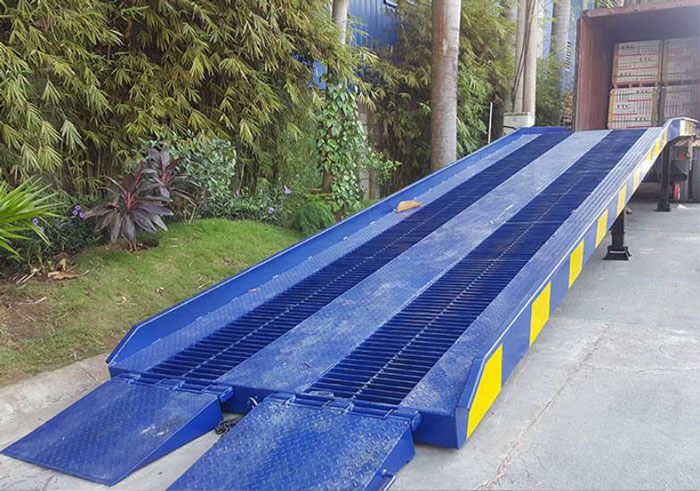
👉 Reference: Container Loading Ramps help make the loading process fast and safe.
Responsibilities of Carriers, Drivers, and Escorts on Trucks
The responsibilities of carriers, drivers, and cargo escorts on trucks according to Article 9 of Circular 35/2013/TT-BGTVT are as follows:– Responsibilities of the carrier:
+ Provide information on payloads and clearance limits for bridges, tunnels, and roads on each transport route before performing the task.
+ Select vehicles suitable for the type of goods and the clearance limits of bridges, tunnels, and roads on the specific route.
+ Disseminate information to drivers, escorts, and loaders regarding cargo characteristics, dimensions, weight of packages, allowable payload limits of the vehicle, and bridge/tunnel/road constraints throughout the route, and take responsibility for the information provided.
+ Arrange for covering, lashing, and dunnage equipment to ensure proper loading and provide guidance for drivers to comply with regulations.
+ Guide drivers, escorts, and loaders on how to stack the goods.
+ Take responsibility for all regulations regarding payload, clearance limits, and cargo stacking on the truck:
+ Guide and coordinate with loaders during the process of stacking, covering, lashing, and bracing goods;
+ Inspect the cargo on the vehicle, cross-referencing with information provided by the carrier to ensure it does not exceed allowable payloads and clearance limits for bridges, tunnels, and roads across the entire route before starting transportation;
+ The driver is responsible if the goods loaded on the truck violate payload, clearance, or stacking regulations but still continues to operate the vehicle in traffic.
👉 See more: How to use hydraulic dock levelers safely“`
Nội dung có liên quan:
-
 The Differences Between Mechanical Dock Levelers and Hydraulic Dock Levelers
The difference between hydraulic dock levelers and mechanical dock levelers is very clear – Hydraulic dock levelers operate automatically with a push of a ...
The Differences Between Mechanical Dock Levelers and Hydraulic Dock Levelers
The difference between hydraulic dock levelers and mechanical dock levelers is very clear – Hydraulic dock levelers operate automatically with a push of a ...
-
 What Should You Consider When Buying a 700kg Hydraulic Lift Table?
The 700kg hydraulic lift table is a popular tool widely used in production workshops and warehouses. With a lifting capacity of 700kg, this hydraulic lift ...
What Should You Consider When Buying a 700kg Hydraulic Lift Table?
The 700kg hydraulic lift table is a popular tool widely used in production workshops and warehouses. With a lifting capacity of 700kg, this hydraulic lift ...
-
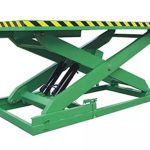 When Should You Use a 1000kg Hydraulic Lift Table?
Are you running a business in a warehouse or workshop that isn't too large and feeling that work efficiency hasn't reached your expectations? Are you looki...
When Should You Use a 1000kg Hydraulic Lift Table?
Are you running a business in a warehouse or workshop that isn't too large and feeling that work efficiency hasn't reached your expectations? Are you looki...
-
 Advantages of 500kg Manual Lift Tables You Should Know
Are you looking to buy a medium-duty manual hydraulic lift table for home use? Is your work frequency intermittent, and are you looking for a product with ...
Advantages of 500kg Manual Lift Tables You Should Know
Are you looking to buy a medium-duty manual hydraulic lift table for home use? Is your work frequency intermittent, and are you looking for a product with ...
-
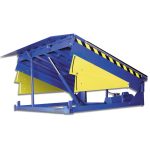 A Guide to Choosing High-Quality Hydraulic Dock Levelers Today
Hydraulic Dock Levelers are among the essential support devices for many fields and industries. Thanks to this product, the transport and storage of goods ...
A Guide to Choosing High-Quality Hydraulic Dock Levelers Today
Hydraulic Dock Levelers are among the essential support devices for many fields and industries. Thanks to this product, the transport and storage of goods ...
-
 The Most Popular Industrial Dock Leveler Models in 2026
In the context of an ever-growing industrial sector, optimizing logistics processes has become more important than ever. One of the indispensable devices f...
The Most Popular Industrial Dock Leveler Models in 2026
In the context of an ever-growing industrial sector, optimizing logistics processes has become more important than ever. One of the indispensable devices f...
-
 Guide to Choosing High-Quality Dock Levelers
Choosing the right dock leveler not only helps optimize the loading and unloading process but also saves costs and ensures occupational safety. Let's explo...
Guide to Choosing High-Quality Dock Levelers
Choosing the right dock leveler not only helps optimize the loading and unloading process but also saves costs and ensures occupational safety. Let's explo...
-
 General Overview of Hydraulic Lifts
What is a hydraulic cargo lift? What outstanding advantages does this product line possess compared to other cargo lifting devices? Let's find out all the ...
General Overview of Hydraulic Lifts
What is a hydraulic cargo lift? What outstanding advantages does this product line possess compared to other cargo lifting devices? Let's find out all the ...