

 Tiếng Việt
Fabric Reinforced Rubber Conveyor Belts: Advantages and Applications
Fabric reinforced rubber conveyor belts are a modern solution that meets the increasing demand for efficiency and optimization. With a unique structure combining durable rubber and a high-strength fabric layer, fabric conveyors offer outstanding advantages over other conveyor belts, meeting all the rigorous requirements of the industrial sector.
What is a Fabric Reinforced Rubber Conveyor Belt?
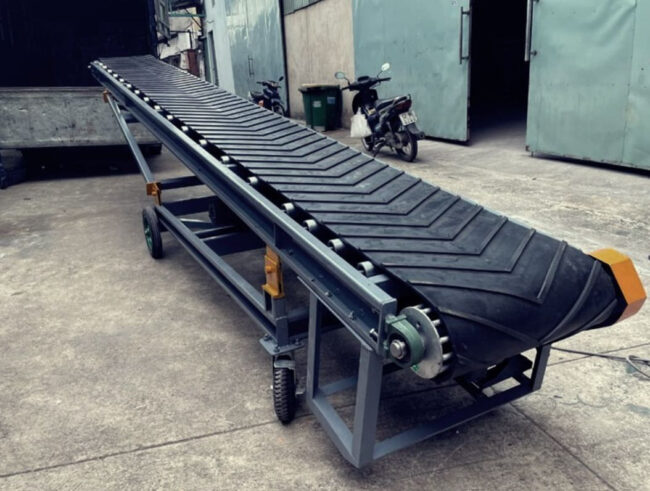
Fabric reinforced rubber conveyor belts have a special structure consisting of fabric plies and rubber layers.
- The rubber layer is responsible for protecting the conveyor belt from environmental impacts. From there, it prevents abrasion and provides adhesion for the transported materials.
- The fabric ply acts as the tension-bearing component, providing the belt with durability and high load capacity. The fabric is usually made from polyester, cotton, or nylon woven in a mesh style to increase sturdiness.
You may be interested in: What is a homemade conveyor? Should you use homemade conveyors?
Advantages of Using Fabric Conveyor Belts
Fabric conveyor belts are an effective and flexible material transport solution. Below are the advantages of using fabric conveyors:
High Durability
The fabric layer has superior tensile and tear resistance, allowing the belt to transport heavy materials safely. These belts are suitable for long-distance transport with high loading speeds.
Versatile Transportation
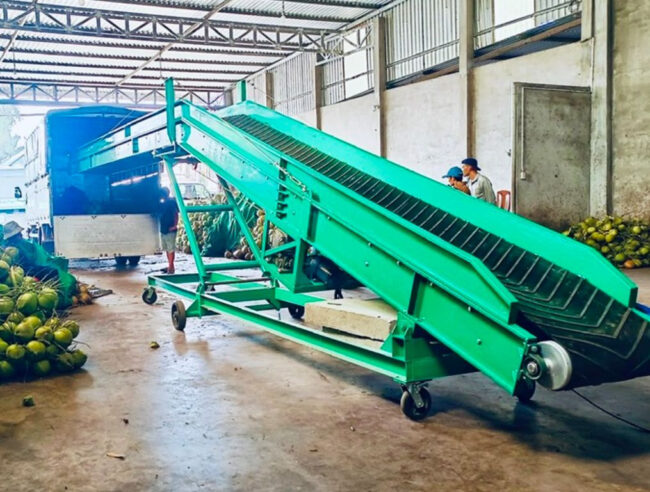
Unlike other conveyor types, fabric conveyors can transport various materials such as sand, stone, gravel… At the same time, the belt can be easily curved to suit complex transport routes.
Economic Efficiency
Fabric conveyor belts help reduce material transport costs compared to hydraulic pallet jacks or trucks. The equipment increases productivity by transporting materials continuously and quickly. Finally, the conveyor has a long lifespan and few breakdowns, reducing maintenance and repair costs.
Easy Maintenance
With a simple structure, fabric conveyors are easy to maintain and clean. When necessary, the rubber layer or fabric plies can be easily replaced.
Applications of Fabric Conveyor Belts
Fabric conveyor belts are widely used in many production industries due to their flexibility and durability. Below are common applications:
Mineral Extraction
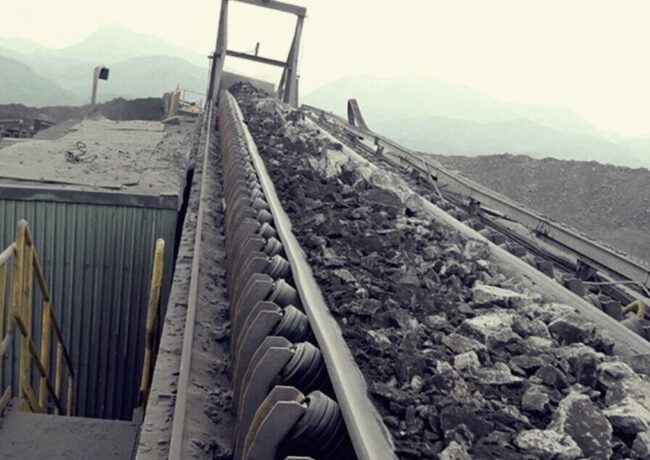
Transporting iron ore, copper, coal, and earth during mining and construction processes.
Food Processing Industry
Transporting food items such as vegetables, meat, fish, and fruits in processing plants. Additionally, they are used to transport confectionery, instant noodles, canned goods…
>>> Rough Top Conveyor Belt – Effective and Versatile Anti-Slip Solution
Cement Production Industry
Transporting raw materials such as clay, limestone, and clinker. Then, transporting the finished cement to consumption points.
Metallurgical Industry
Fabric conveyor belts transport metal ores to metallurgical plants. Simultaneously, fabric belts are used to transport metal products such as steel plates, steel coils, and aluminum ingots.
Conclusion
Fabric reinforced rubber conveyor belts are an efficient and flexible transport solution with many outstanding advantages. Thanks to these benefits, fabric conveyors are widely applied across various industries. We hope that with the information provided by Naltako, you have gained a comprehensive overview of this modern equipment!
Nội dung có liên quan:
-
 The Uses of Dock Levelers in Today’s Cold Storage Facilities
To ensure the operational efficiency of cold storage, selecting and using the correct support equipment is extremely important. One of the indispensable so...
The Uses of Dock Levelers in Today’s Cold Storage Facilities
To ensure the operational efficiency of cold storage, selecting and using the correct support equipment is extremely important. One of the indispensable so...
-
 Applications of Hydraulic Dock Levelers
Hydraulic Dock Leveler is a connecting device between the container floor and the warehouse floor, widely used in warehouses with high import and export fr...
Applications of Hydraulic Dock Levelers
Hydraulic Dock Leveler is a connecting device between the container floor and the warehouse floor, widely used in warehouses with high import and export fr...
-
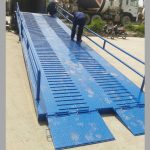 Why Are Forklift Ramps the Preferred Choice for Import and Export Operations?
Container loading ramps bring many important benefits to transport and cargo handling operations. Specially designed, container forklift ramps not only hel...
Why Are Forklift Ramps the Preferred Choice for Import and Export Operations?
Container loading ramps bring many important benefits to transport and cargo handling operations. Specially designed, container forklift ramps not only hel...
-
 Popular Forklift Ramp Models with Roofs in Use Today
Currently, forklift ramps with roofs have quickly attracted the attention of small and medium-sized enterprises. Not only are they a convenient means of tr...
Popular Forklift Ramp Models with Roofs in Use Today
Currently, forklift ramps with roofs have quickly attracted the attention of small and medium-sized enterprises. Not only are they a convenient means of tr...
-
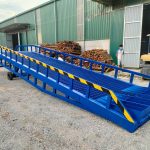 The Most Widely Used Cargo Handling Support Tools Today
There are many different tools available to support cargo loading and unloading, each with its own advantages and disadvantages. Users need to research and...
The Most Widely Used Cargo Handling Support Tools Today
There are many different tools available to support cargo loading and unloading, each with its own advantages and disadvantages. Users need to research and...
-
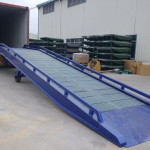 What is a Loading Ramp? Applications of Ramps in Goods Transportation
What is a Loading Ramp?
A loading ramp, also known as a yard ramp or forklift ramp, is a powerful support device in the transportation of goods.
Essentia...
What is a Loading Ramp? Applications of Ramps in Goods Transportation
What is a Loading Ramp?
A loading ramp, also known as a yard ramp or forklift ramp, is a powerful support device in the transportation of goods.
Essentia...
-
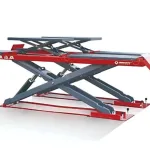 What is a scissor mechanism? Applications of scissor mechanisms in hydraulic lifting equipment
Today, scissor mechanisms are widely applied in hydraulic lifting equipment. These applications are extensively used in construction projects and bring hig...
What is a scissor mechanism? Applications of scissor mechanisms in hydraulic lifting equipment
Today, scissor mechanisms are widely applied in hydraulic lifting equipment. These applications are extensively used in construction projects and bring hig...
-
 Applications of dock levelers in production
A Dock Leveler is not just a bridge between the warehouse and the transport vehicle, but also a powerful assistant that helps you operate your production p...
Applications of dock levelers in production
A Dock Leveler is not just a bridge between the warehouse and the transport vehicle, but also a powerful assistant that helps you operate your production p...