

 Tiếng Việt
What is a food lift?
Food lifts are commonly found equipment in large restaurants and hotels. They are easy-to-use vehicles due to their compact and safe design. Improving quality and saving costs are what food lifts bring to the table. The following article will provide you with detailed information about this smart device.
What is a food lift?
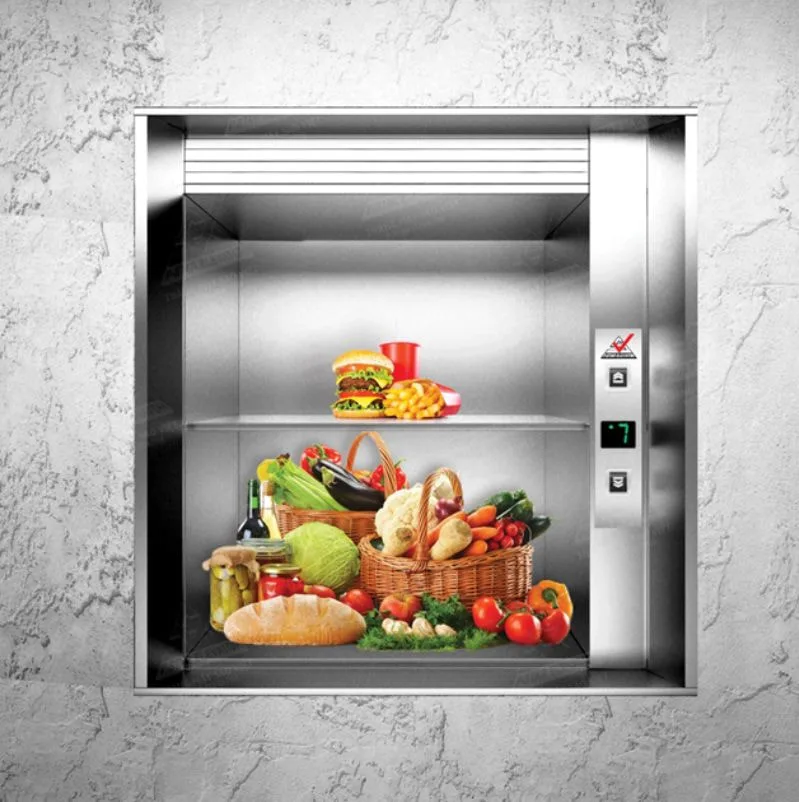
A food lift is a specialized device used to move food and dishes between floors. Typically, a restaurant lift starts from the kitchen area and reaches various floors. Since it transports food, the load capacity of the lift is not high, usually ranging from 50kg to 200kg.
Unlike cargo lifts, food hoists primarily serve the purpose of safe and hygienic food transportation. Therefore, these devices are usually made of non-corrosive materials or stainless steel with small dimensions suitable for transporting trays and plates of food.
Reference: Popular types of hydraulic lifts today
Structure of a food lift
A food lift is mainly composed of the following parts:
Cabin
This is the part that contains and transports the food. The cabin is usually made of stainless steel or easy-to-clean, corrosion-resistant materials.
Frame
The frame is the main load-bearing structural part of the elevator, helping the cabin move up and down.
Counterweight
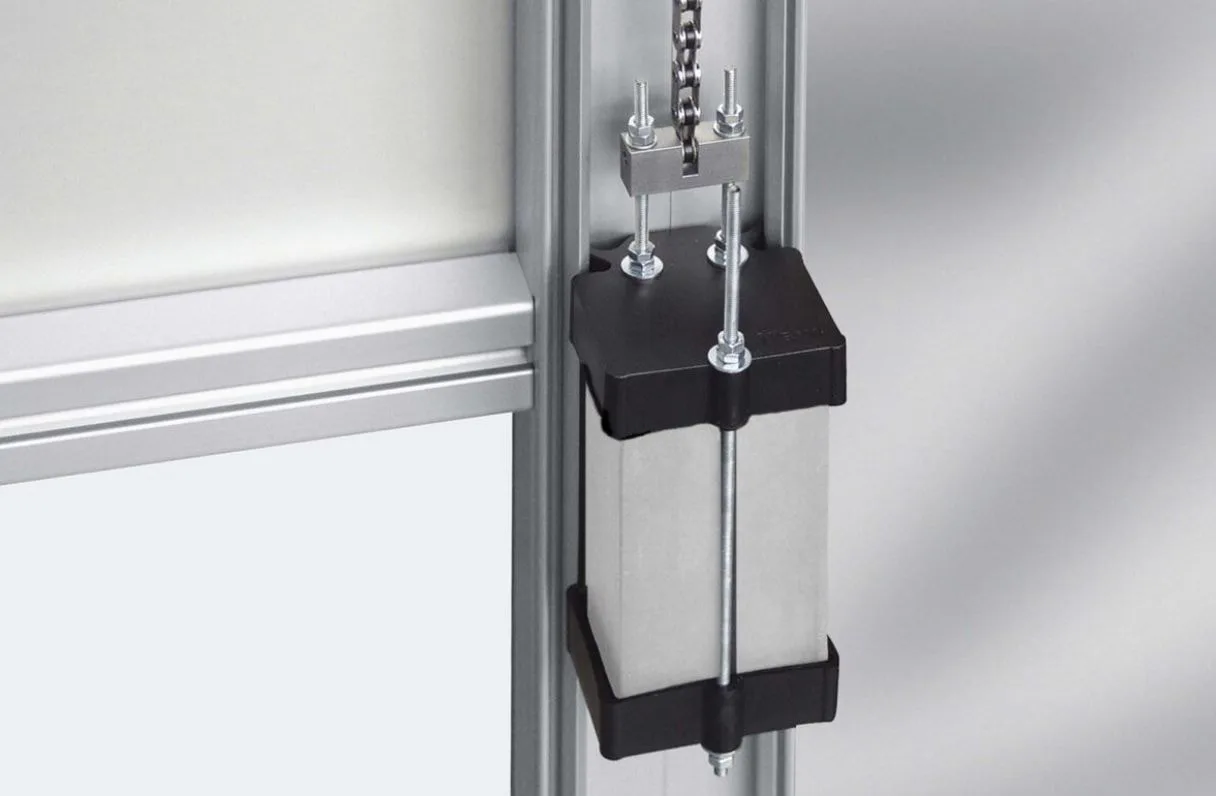
Depending on the type of food elevator you choose, it may or may not have a counterweight.
Landing Doors
The cabin door and the doors used at each floor to control access. The doors are designed as horizontal sliding doors to both sides or vertical bi-parting doors (pulling up and down).
Control Panel
Control panels at the floors and inside the cabin to operate the elevator. The control panel can connect to a computer, receive commands quickly, and ensure smooth operation.
Safety System
Devices such as sensors, safety brakes, and anti-tilt devices ensure operational safety.
Flexibility and Easy Maintenance
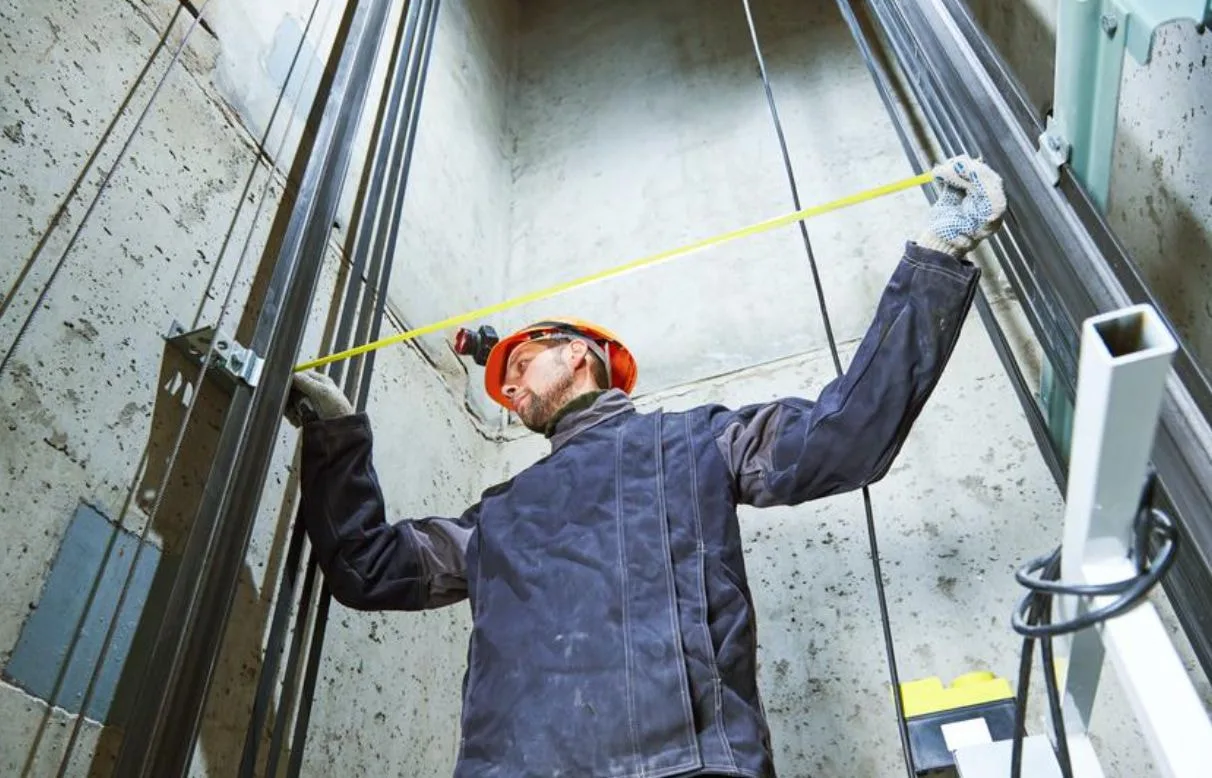
The lift can be installed in limited spaces. Additionally, this equipment is easy to maintain and repair due to its simple structure.
This structure meets the requirements for hygiene, durability, safety, and efficient food transport features in kitchen environments or production facilities.
Advantages of food lifts
Food lifts have many advantages such as convenience, saving manpower, and reducing costs. The main advantages of food lifts include:
Increasing transport efficiency
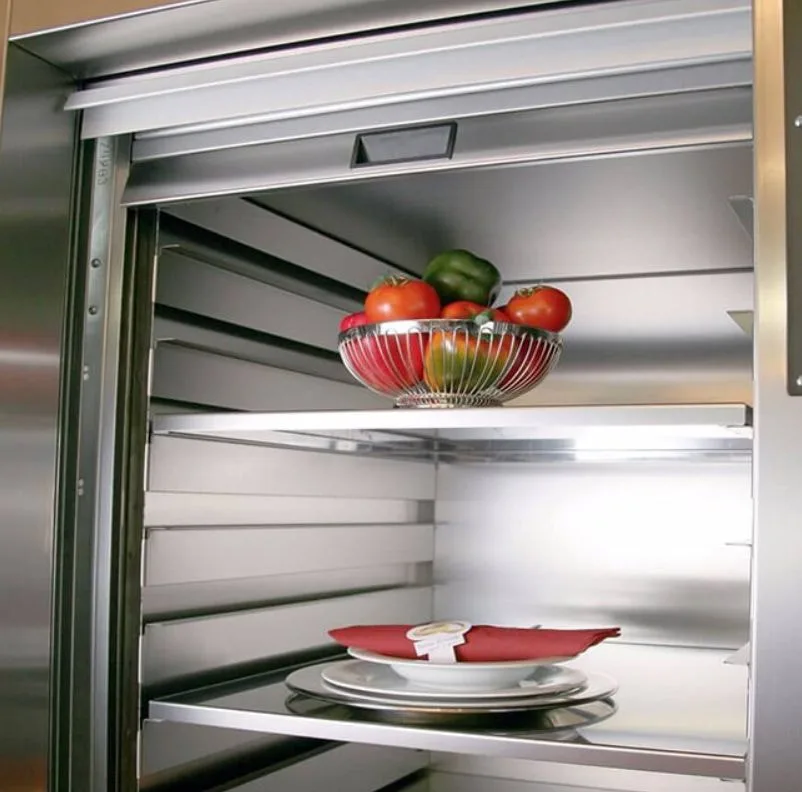
Restaurant lifts allow for quick and safe transport between floors. Consequently, this minimizes manual transport time and increases operational productivity.
Ensuring hygiene and food safety
Food lifts are constructed with stainless steel materials, which are easy to clean and corrosion-resistant. With a discreet design, they prevent the intrusion of insects and dust. Food transported by the lift creates a sense of deliciousness and earns customer goodwill.
Remote Connectivity
Food lifts can connect to systems for remote control. With just an automatic button, you can use them easily.
Safety in use
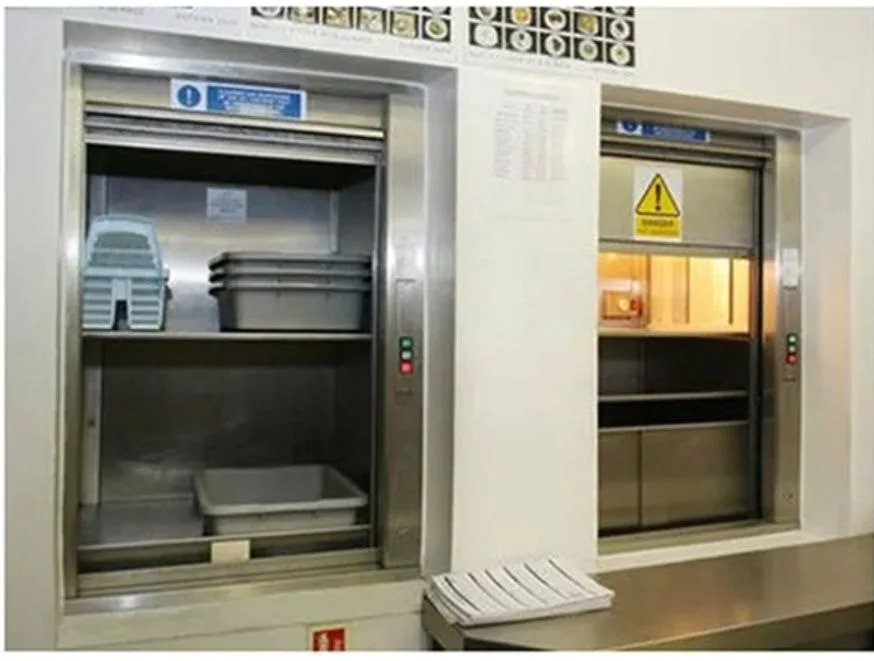
Restaurant lift systems are equipped with features like sensors and emergency brakes. This avoids spills and damage when transporting food, while also reducing accidents during operation.
Enhancing aesthetics
Utilizing food lifts helps a business appear more professional and modern. Lifts always ensure aesthetics and fit into many different spaces.
In summary, food lifts help optimize the food transport process, ensure food safety hygiene, and improve productivity and occupational safety.
Conclusion
The above article has shared detailed information about food lifts with you. A food lift is not just a piece of equipment but a solution to elevate efficiency in culinary services. Investing in a lift system helps businesses save time and become more professional. If you have any questions about restaurant lifts, please contact us using the information below.
CONTACT INFORMATION
Naltako Industrial Joint Stock Company
Address: Dong De, Phu Yen, Chuong My, Hanoi.
Hotline: 0981.977.898.
Website: Naltako.vn
Nội dung có liên quan:
-
 What is a Loading Dock? What does a Loading Dock system include?
Is your business facing difficulties in transporting goods? Is loading and unloading taking too much time and increasing costs? Have you researched solutio...
What is a Loading Dock? What does a Loading Dock system include?
Is your business facing difficulties in transporting goods? Is loading and unloading taking too much time and increasing costs? Have you researched solutio...
-
 Hydraulic Cylinder Structure, Specifications, and Operating Principles
Hydraulic cylinders, also known as hydraulic rams, are one of the most critical components in a hydraulic system. They have the ability to convert hydrauli...
Hydraulic Cylinder Structure, Specifications, and Operating Principles
Hydraulic cylinders, also known as hydraulic rams, are one of the most critical components in a hydraulic system. They have the ability to convert hydrauli...
-
 Differences Between Freight Elevators and Goods Hoists
Choosing between a freight elevator and a goods hoist is always a difficult puzzle for many businesses. Understanding this, Naltako will help you solve the...
Differences Between Freight Elevators and Goods Hoists
Choosing between a freight elevator and a goods hoist is always a difficult puzzle for many businesses. Understanding this, Naltako will help you solve the...
-
 Hydraulics: Concept, Structure, and Basic Operating Principles
Hydraulics is a vital technology, widely used in modern life. From industrial machinery like dock levelers to vehicles, this system plays an indispensable ...
Hydraulics: Concept, Structure, and Basic Operating Principles
Hydraulics is a vital technology, widely used in modern life. From industrial machinery like dock levelers to vehicles, this system plays an indispensable ...
-
 Dock Shelter and Dock Leveler: The Perfect Combination for Your Warehouse
Is your warehouse operating inefficiently, with high risks of cargo damage and low productivity? Don't worry, the optimal solution is here! The combination...
Dock Shelter and Dock Leveler: The Perfect Combination for Your Warehouse
Is your warehouse operating inefficiently, with high risks of cargo damage and low productivity? Don't worry, the optimal solution is here! The combination...
-
 What is a Raised Floor? What are the components of its structure?
Raised floors, hydraulic dock levelers, and access floors are popular types of flooring widely used in modern construction engineering today. To learn deta...
What is a Raised Floor? What are the components of its structure?
Raised floors, hydraulic dock levelers, and access floors are popular types of flooring widely used in modern construction engineering today. To learn deta...
-
 What is Hydraulic? Everything You Need to Know About Hydraulics
"Hydraulic" is certainly a term that many people are interested in. In Vietnamese, it translates to "thủy lực." Today, common industrial machinery within h...
What is Hydraulic? Everything You Need to Know About Hydraulics
"Hydraulic" is certainly a term that many people are interested in. In Vietnamese, it translates to "thủy lực." Today, common industrial machinery within h...
-
 Guide to selecting used hydraulic cylinders effectively
Hydraulic cylinders play a vital role in hydraulic systems by providing high working efficiency. Currently, many people use used hydraulic cylinders to sav...
Guide to selecting used hydraulic cylinders effectively
Hydraulic cylinders play a vital role in hydraulic systems by providing high working efficiency. Currently, many people use used hydraulic cylinders to sav...