

 Tiếng Việt
Steps to inspect hydraulic lifting equipment before operation
Hydraulic lifting equipment plays a vital role in many industries by helping to move heavy objects efficiently and safely. However, to ensure smooth operation and avoid unfortunate accidents, inspecting the equipment before operation is extremely necessary. Follow this article to learn about the steps to inspect hydraulic lifting equipment before operation.
Why is it necessary to inspect hydraulic lifting equipment before operation?
Inspecting hydraulic lifting equipment before operation is extremely important. Here are the reasons why you need to check the lifting equipment:
Ensuring safety for the operator and everyone around
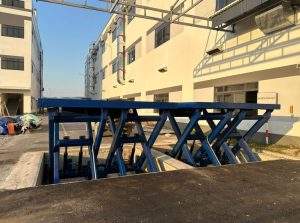
- Lifting equipment often handles heavy objects, posing a potential risk of accidents if a failure occurs.
- Timely detection of arising issues, thereby preventing unfortunate labor accidents.
Ensuring safety for goods
- Inspection helps ensure stable operation, avoiding impact on goods during operation.
Enhancing equipment lifespan
- Early detection of small problems prevents more serious damage and extends equipment life.
- Proper maintenance of hydraulic lifting equipment helps the device operate more efficiently.
Complying with legal regulations
- Vietnam’s labor safety laws clearly stipulate the periodic inspection and maintenance of lifting equipment.
- Equipment inspection is an important part of compliance, avoiding legal risks.
See also: Hydraulic lifting equipment maintenance schedule you need to know
What do the steps for inspecting hydraulic lifting equipment include?
To ensure safety and efficiency during equipment operation, a thorough inspection is crucial. Below are the basic inspection steps you need to perform:
General Overview Inspection
- Observe surroundings: Ensure there are no obstructions or obstacles in the operating area.
- External check: Look for signs of damage, oil leaks, cracks, or dents on the equipment body, cylinders, hoses, etc.
- Check moving parts: Ensure wheels, chains, cables, etc., are operating smoothly.
Hydraulic System Inspection
- Check hydraulic oil level: Ensure the hydraulic oil is at the level specified by the manufacturer.
- Check oil condition: Observe oil viscosity; if the oil is contaminated, it needs to be replaced.
- Test hydraulic system: Raise and lower the equipment a few times to check the operation of the pump, valves, cylinders, etc.
Control System Inspection
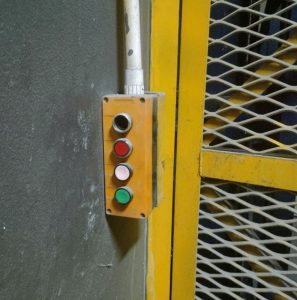
- Check buttons: Ensure buttons and levers are working normally, not stuck or broken.
- Safety devices: Ensure devices like safety valves and switches are operating accurately.
Load Inspection
- Identify load: Know the load capacity of the equipment and the weight of the object to be lifted.
- Do not overload: Absolutely do not lift objects with a weight exceeding the equipment’s capacity.
Other Components Inspection
- Check braking system: Ensure the braking system is functioning well.
- Check electrical system: Inspect wires, switches, indicator lights, etc.
- Check protective parts: Ensure protective components like guards and covers are intact.
See also: Common hydraulic lifting equipment issues and effective troubleshooting tips
Conclusion
In the article above, Naltako has provided a detailed inspection process for hydraulic lifting equipment before operation. Carrying out all these inspection steps helps ensure operator safety, enhance labor productivity, and detect potential damage early… If you have any questions regarding the information in this article, please contact:
CONTACT INFORMATION
Website: naltako.vn
Hotline: 0981.977.898
Email: nhat.mtk53@gmail.com
Factory Address: Km19, Highway 6, Phuc Tien Ward, Bien Giang, Ha Dong, Hanoi
Representative Office Address: 4th Floor, SME Hoang Gia Building, To Hieu, Ha Dong, Hanoi
Nội dung có liên quan:
-
 Maintenance and servicing of hydraulic lifting equipment
Hydraulic lifting equipment plays a pivotal role in manufacturing, transportation, and construction activities, helping to enhance productivity and work ef...
Maintenance and servicing of hydraulic lifting equipment
Hydraulic lifting equipment plays a pivotal role in manufacturing, transportation, and construction activities, helping to enhance productivity and work ef...
-
 Hydraulic lifting equipment maintenance service
To ensure optimal working performance and safety for users, the use of hydraulic lifting equipment is extremely important. Currently, hydraulic lifting equ...
Hydraulic lifting equipment maintenance service
To ensure optimal working performance and safety for users, the use of hydraulic lifting equipment is extremely important. Currently, hydraulic lifting equ...
-
 Effective Pallet Jack Maintenance Guide for Businesses
Pallet jacks are indispensable equipment in logistics operations at manufacturing plants, warehouses, and docks. However, to ensure performance and extend ...
Effective Pallet Jack Maintenance Guide for Businesses
Pallet jacks are indispensable equipment in logistics operations at manufacturing plants, warehouses, and docks. However, to ensure performance and extend ...
-
 Equipment Maintenance Methods You Must Know
Equipment maintenance methods play a crucial role in ensuring machinery operates stably, extending service life, and optimizing production performance. Fro...
Equipment Maintenance Methods You Must Know
Equipment maintenance methods play a crucial role in ensuring machinery operates stably, extending service life, and optimizing production performance. Fro...
-
 Forklift ramp maintenance and repair
Is your forklift ramp constantly breaking down? Are repair costs soaring? Is your operational efficiency severely affected?
Don't worry! We will help you...
Forklift ramp maintenance and repair
Is your forklift ramp constantly breaking down? Are repair costs soaring? Is your operational efficiency severely affected?
Don't worry! We will help you...