

 Tiếng Việt
Hydraulic lifting equipment maintenance schedule
Hydraulic lifting equipment plays a crucial role in moving and lifting goods, serving as an effective assistant in industrial, construction, and logistics sectors. However, ensuring stable performance and extending the lifespan of lifting equipment is extremely important and necessary. Scheduling hydraulic lifting equipment maintenance helps early detection of potential issues and prevents serious damage, ensuring the equipment always operates in the best condition. Follow the article below to learn how to build and plan lifting equipment maintenance to ensure absolute safety during lifting operations.
Why is it necessary to schedule periodic hydraulic lifting equipment maintenance?
Prevent early damage and extend vehicle lifespan
After hydraulic lifting equipment has been in operation for a while, the engine will be affected. Furthermore, you cannot always identify damages that impact safety while working. Therefore, during the maintenance process, technicians will inspect and promptly handle any faults.
Cost savings and safe usage
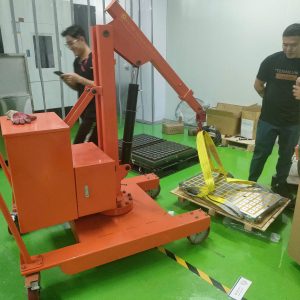
Applying a hydraulic lifting equipment maintenance schedule helps customers prevent major breakdowns and save costs. Moreover, if the equipment is severely damaged, it will cause safety hazards during use.
Peace of mind and comfort when using equipment
After applying a hydraulic lifting equipment maintenance schedule, you won’t have to deal with the discomfort of using a machine that frequently makes strange noises. Consequently, you will feel more secure and comfortable while operating the vehicle at work.
Hydraulic lifting equipment maintenance schedule you need to know
Hydraulic lifting equipment needs periodic maintenance to ensure safe, efficient operation and to extend its lifespan. Below is a basic maintenance schedule that you can adjust to suit the type of equipment and intensity of use.
Note: This schedule is for general reference; you should consult the manufacturer’s instructions for a specific maintenance schedule for each type of hydraulic lifting equipment.
Daily Maintenance (or after every shift)
- Inspect lifting equipment appearance: detect cracks, damage, or oil leaks.
- Check hydraulic oil level: ensure oil is at the required level.
- Clean the lifting equipment: remove dust, dirt, and grease from the surface.
Maintenance after 125 hours or half a month
- Check hydraulic valves: signal lights, working temperature, and pressure.
- Thoroughly check the hydraulic system for oil leaks.
- Check and clean the air filter.
Maintenance after 250 hours or 1 month

- Check the tightness of bolts and joints on the lifting equipment.
- Check the hydraulic pump: noise, vibration, and temperature.
- Check the electric motor: noise, vibration, and temperature.
Maintenance after 500 hours or 3 months
- Check the cleanliness of the hydraulic oil.
- Clean or replace the suction and return filters.
Maintenance after 1000 hours or 6 months
- Change hydraulic oil if it is cloudy or contains impurities.
- Clean the oil tank.
- Check temperature and pressure gauges.
- Check the tightness of the suction and discharge pipes of the hydraulic pump.
Maintenance after 2000 hours or 1 year
- Change hydraulic oil.
- Clean the oil tank, suction filter, and return filter.
- Check hydraulic hoses: cracks, leaks, and aging.
- Check valve operation signals, pump pressure, and system temperature.
- Service or replace pump parts, valves, and motors if necessary.
If you are interested in a hydraulic lifting equipment maintenance schedule or need to find a maintenance address, Naltako is a reliable destination. With an experienced technical team, our technicians will provide you with the correct hydraulic lifting equipment maintenance procedures. Naltako also provides technical consulting and genuine replacement parts. To receive a consultation, please contact Naltako at:
CONTACT INFORMATION
Website: https://naltako.vn/
Hotline: 0981.977.898
Email: nhat.mtk53@gmail.com
Workshop Address: Km19, Highway 6, Phuc Tien TDP, Bien Giang, Ha Dong, Hanoi
Representative Office Address: 4th Floor, SME Hoang Gia Building, To Hieu, Ha Dong, Hanoi
Nội dung có liên quan:
-
 Should you buy a new or used freight lift?
The decision to invest in a freight elevator significantly impacts your production and business operations. Both new and used lifts have their own advantag...
Should you buy a new or used freight lift?
The decision to invest in a freight elevator significantly impacts your production and business operations. Both new and used lifts have their own advantag...
-
 Latest Man Lift Rental Price List Update
Renting a man lift has become an optimal solution for both safety and efficiency. Among the vast number of service providers, determining the rental price ...
Latest Man Lift Rental Price List Update
Renting a man lift has become an optimal solution for both safety and efficiency. Among the vast number of service providers, determining the rental price ...
-
 What is a hydraulic hand valve? Types of manually operated hydraulic valves
Hydraulic hand valves are indispensable devices in industrial and civil hydraulic systems, playing a key role in controlling and regulating fluid flow. Whe...
What is a hydraulic hand valve? Types of manually operated hydraulic valves
Hydraulic hand valves are indispensable devices in industrial and civil hydraulic systems, playing a key role in controlling and regulating fluid flow. Whe...
-
 Top 5 best 500-ton hydraulic press brands
What is a 500-ton hydraulic press?
A 500-ton hydraulic press is an industrial machine that uses hydraulic oil to generate an enormous pressing force (500 ...
Top 5 best 500-ton hydraulic press brands
What is a 500-ton hydraulic press?
A 500-ton hydraulic press is an industrial machine that uses hydraulic oil to generate an enormous pressing force (500 ...
-
 Types of hydraulic lifting equipment
 are assistants that help lift and move goods efficiently and safely. From hydraulic forklifts to towering cranes, they...
Types of hydraulic lifting equipment
Types of hydraulic lifting equipment are assistants that help lift and move goods efficiently and safely. From hydraulic forklifts to towering cranes, they...
-
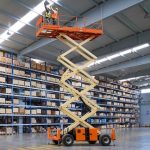 Safety handbook for hydraulic lifting equipment
The use of hydraulic lifting equipment poses many risks of accidents if not operated and maintained properly. Therefore, occupational safety when using hyd...
Safety handbook for hydraulic lifting equipment
The use of hydraulic lifting equipment poses many risks of accidents if not operated and maintained properly. Therefore, occupational safety when using hyd...
-
 Current lifting solutions for the logistics industry
In the context of booming e-commerce and increasingly complex global supply chains, the logistics industry is facing enormous challenges regarding speed, e...
Current lifting solutions for the logistics industry
In the context of booming e-commerce and increasingly complex global supply chains, the logistics industry is facing enormous challenges regarding speed, e...
-
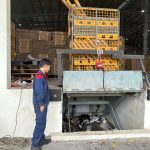 Safety instructions for operating hydraulic lifting equipment
Hydraulic lifting equipment has become an effective assistant in the industrial, construction, and logistics sectors. However, operating this equipment als...
Safety instructions for operating hydraulic lifting equipment
Hydraulic lifting equipment has become an effective assistant in the industrial, construction, and logistics sectors. However, operating this equipment als...