

 Tiếng Việt
Safety handbook for hydraulic lifting equipment
The use of hydraulic lifting equipment poses many risks of accidents if not operated and maintained properly. Therefore, occupational safety when using hydraulic lifting equipment is a key factor in protecting the health and lives of workers. So, what are the safety principles for hydraulic lifting equipment?
Safety principles for hydraulic lifting equipment
Occupational safety when using various types of lifting equipment is the top priority for protecting workers and assets. Strict compliance with safety regulations and principles will help prevent labor accidents and improve production efficiency.
Below are the hydraulic lifting equipment safety principles to remember when operating lifting devices such as forklifts, cranes, cargo lifts, lift tables, etc.
Inspection and Registration
- All lifting equipment must undergo quality inspection and be registered with functional authorities before being put into use.
- Only use equipment in good technical condition that has been periodically inspected and maintained.
Operators
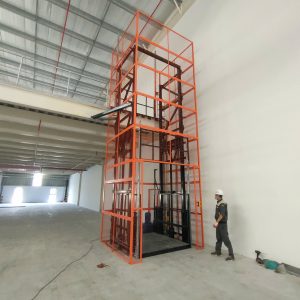
- Equipment operators must be trained and hold a valid certificate.
- Comply with hydraulic lifting equipment safety regulations and manufacturer instructions.
You may also be interested in: Current applications of hydraulic lifting equipment
Safe Operation
- Use equipment according to its features and functions; do not lift loads exceeding the allowable weight capacity.
- Do not use lifting devices with friction clutches or jaw clutches to lift people or dangerous materials (liquid metal, explosives, toxic substances, compressed gas, etc.).
- Ensure safety when moving loads over areas with people, workshops, or residential areas.
- Do not get on or off while the equipment is in operation; do not stand within the crane’s swing radius, under the load, or within the operating zone of the lifting equipment.
- Do not operate a pallet jack in an unstable condition, or if it is buried, pinned down, or attached to other objects.
- Do not perform side-pulling, drag loads, or simultaneously push/pull while lifting/lowering.
- Ensure clear walkways for the operator.
- Install guardrails at entrances and along tracks.
- No unauthorized persons are allowed on the walkway of an operating crane.
Using Multiple Devices
- When using multiple lifting devices to lift the same load, safety solutions must be carefully calculated. This ensures the load distributed to each device does not exceed its allowable capacity.
Hydraulic Lifting Equipment Safety Checks
- Before operation, lift the load to a sufficient height to check the brakes.
- Check the remaining cable wraps on the drum before lowering a load into a pit.
Environmental Factors
- Stop operations when wind speed exceeds the allowable limit.
- Do not hang banners or posters on equipment working outdoors.
Ending Work
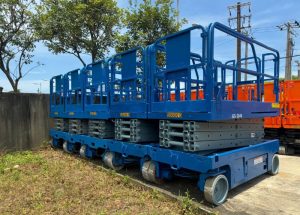
- Lower the load to a safe position, eliminating the possibility of falling or tipping over.
Maintenance and Servicing
- Perform periodic maintenance and replace damaged parts.
- Re-test the equipment after repairs.
By strictly adhering to hydraulic lifting equipment safety principles, we can prevent accidents, protect workers, and improve production efficiency.
Naltako – Reputable provider of high-quality hydraulic lifting equipment
Naltako officially went into operation in 2017 with the mission of providing warehouses and factories with hydraulic equipment that reduces environmental pollution while ensuring high quality and reasonable prices.
Naltako’s lifting equipment is constantly upgraded and manufactured upon request. Therefore, coming to Naltako, you will experience the most modern and latest hydraulic lifting devices. Through years of development, this is a trustworthy destination for choosing advanced equipment.
If you have any questions regarding hydraulic lifting equipment safety, please contact:
CONTACT INFORMATION
Website: https://naltako.vn/
Hotline: 0981.977.898
Email: nhat.mtk53@gmail.com
Workshop Address: Dong De Villag, Phu Yen, Chuong My, Hanoi
Representative Office Address: 4th Floor, SME Hoang Gia Building, To Hieu, Ha Dong, Hanoi
Nội dung có liên quan:
-
 What is a Mechanical Dock Leveler? How does it differ from a Hydraulic Dock Leveler?
Are you looking for a device to support loading and unloading goods from containers to the warehouse floor that is low-cost, highly durable, and easy to in...
What is a Mechanical Dock Leveler? How does it differ from a Hydraulic Dock Leveler?
Are you looking for a device to support loading and unloading goods from containers to the warehouse floor that is low-cost, highly durable, and easy to in...
-
 Popular Types of Hydraulic Freight Elevators Today
The role of hydraulic freight elevators in warehouses, production workshops, or construction sites is indisputable. However, the types of hydraulic freight...
Popular Types of Hydraulic Freight Elevators Today
The role of hydraulic freight elevators in warehouses, production workshops, or construction sites is indisputable. However, the types of hydraulic freight...
-
 Safe Working Load in Industrial Lifting and Cargo Handling
In the modern industrial and logistics environment, lifting and cargo handling activities take place continuously with large volumes and high frequencies. ...
Safe Working Load in Industrial Lifting and Cargo Handling
In the modern industrial and logistics environment, lifting and cargo handling activities take place continuously with large volumes and high frequencies. ...
-
 The Differences Between Mechanical Dock Levelers and Hydraulic Dock Levelers
The difference between hydraulic dock levelers and mechanical dock levelers is very clear – Hydraulic dock levelers operate automatically with a push of a ...
The Differences Between Mechanical Dock Levelers and Hydraulic Dock Levelers
The difference between hydraulic dock levelers and mechanical dock levelers is very clear – Hydraulic dock levelers operate automatically with a push of a ...
-
 What Should You Consider When Buying a 700kg Hydraulic Lift Table?
The 700kg hydraulic lift table is a popular tool widely used in production workshops and warehouses. With a lifting capacity of 700kg, this hydraulic lift ...
What Should You Consider When Buying a 700kg Hydraulic Lift Table?
The 700kg hydraulic lift table is a popular tool widely used in production workshops and warehouses. With a lifting capacity of 700kg, this hydraulic lift ...
-
 When Should You Use a 1000kg Hydraulic Lift Table?
Are you running a business in a warehouse or workshop that isn't too large and feeling that work efficiency hasn't reached your expectations? Are you looki...
When Should You Use a 1000kg Hydraulic Lift Table?
Are you running a business in a warehouse or workshop that isn't too large and feeling that work efficiency hasn't reached your expectations? Are you looki...
-
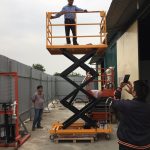 Advantages of 500kg Manual Lift Tables You Should Know
Are you looking to buy a medium-duty manual hydraulic lift table for home use? Is your work frequency intermittent, and are you looking for a product with ...
Advantages of 500kg Manual Lift Tables You Should Know
Are you looking to buy a medium-duty manual hydraulic lift table for home use? Is your work frequency intermittent, and are you looking for a product with ...
-
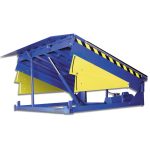 A Guide to Choosing High-Quality Hydraulic Dock Levelers Today
Hydraulic Dock Levelers are among the essential support devices for many fields and industries. Thanks to this product, the transport and storage of goods ...
A Guide to Choosing High-Quality Hydraulic Dock Levelers Today
Hydraulic Dock Levelers are among the essential support devices for many fields and industries. Thanks to this product, the transport and storage of goods ...