

 Tiếng Việt
Common Types of Manual Lifting Equipment Today
Manual lifting equipment is an optimal solution in warehousing equipment, helping to move and lift goods without the need for electricity. Utilizing human power or manual mechanisms such as hydraulics and pneumatics, these devices offer flexibility and cost savings. Naltako, specializing in providing hydraulic hand pallet trucks, delivers durable and efficient products for industrial facilities. The article below will provide detailed information about manual lifting equipment and solutions from Naltako.
What is Manual Lifting Equipment?
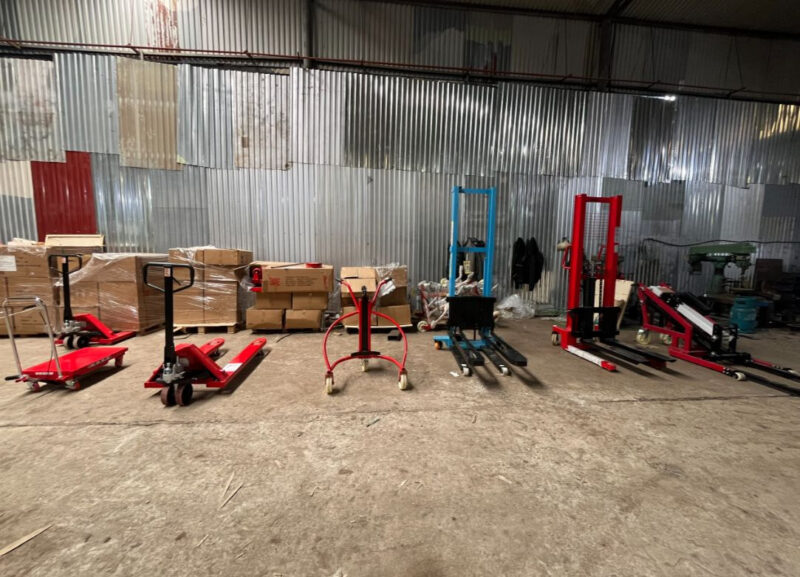
Manual lifting equipment refers to tools or lifting machines that use human power or manual mechanisms such as hydraulics, pneumatics, or lead screws to lift, lower, and move goods during transportation operations. They do not require a power source, making them suitable for warehouses, construction sites, or narrow spaces. Their main roles include:
- Increased efficiency: Reduces manual labor, accelerates loading and unloading.
- Flexibility: Used in places without electricity, such as outdoor warehouses.
- Cost savings: Requires no fuel, simple maintenance.
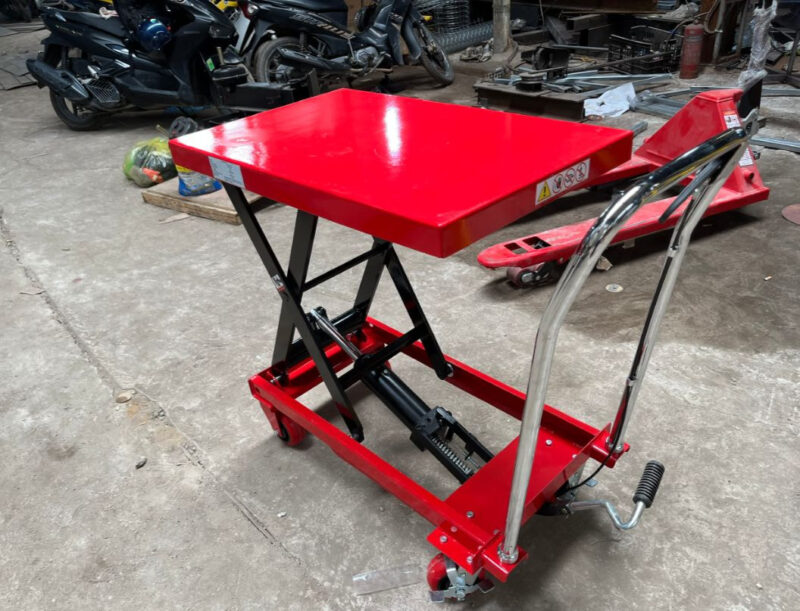
For example, hydraulic hand pallet trucks make it easy to lift pallets weighing several hundred kilograms. Naltako provides hydraulic lift tables, supporting the lifting and lowering of goods in warehousing equipment.
How to choose the right material handling equipment for your needs
Common Types of Manual Lifting Equipment
Common types of manual lifting equipment include:
- Low-profile hand pallet trucks: Lift pallets close to the ground, capacity up to 3 tons, used in narrow warehouses.
- Manual stackers (High-lift hand pallet trucks): Lift up to 3.5m, capacity up to 5 tons, ideal for racking.
- Rough terrain pallet trucks: Large rubber wheels, move on uneven surfaces, capacity of 1-2 tons.
- Drum handling equipment: Specialized for lifting barrels, capacity of 300-500kg.
- Portable hydraulic jacks: Lift up to 50 tons, used in auto repair or industry.
Manual chain hoists can lift from 500kg to 10 tons, to heights of 6-9m, suitable for spaces without electricity.
Pros and Cons of Manual Lifting Equipment
Advantages of manual lifting equipment:
- Compact design: Easy to maneuver in tight spaces.
- Low cost: Much cheaper than automated lifting equipment.
- Savings on maintenance costs: No regular maintenance required, saving 30% on operating costs.
- Flexibility: Can be used in multiple environments, from warehouses to construction sites.
Disadvantages:
- Load capacity limits: Maximum of around 5 tons, unsuitable for super-heavy goods.
- Limited lifting height: Under 4m, does not meet the needs of high shelving.
- Dependence on human power: Slow movement, unsuitable for long distances.
Maximum Load Capacity of Manual Lifting Equipment
Manual lifting equipment can lift from a few hundred kilograms up to a maximum of 10 tons, depending on the type:
- Hand pallet trucks: Capacity of 1-3 tons, lifts close to the ground.
- Manual stackers: Capacity up to 5 tons, lifting height of 3.5m.
- Manual chain hoists: Lift 500kg to 10 tons, lifting height of 6-9m, used in narrow spaces.
- Portable hydraulic jacks: Lift up to 50 tons, suitable for heavy industry.
Safe Use of Manual Lifting Equipment
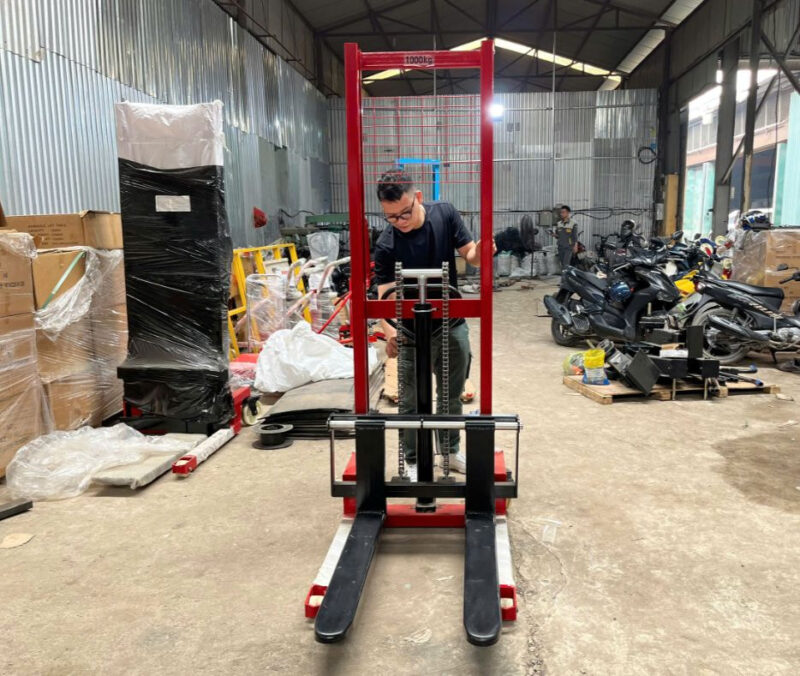
To use manual lifting equipment safely:
- Pre-use inspection: Ensure lifting forks, plastic wheels, and the safety brake system are working properly.
- Do not exceed load capacity: Respect limits, for example, hydraulic hand pallet trucks max out at 3 tons.
- Use brakes: The forklift brake system keeps the equipment stationary, preventing slipping during lifts.
- User training: Instruct on proper operation to prevent accidents.
- Proper storage: Store in a dry place to avoid damaging the lifting control unit.
Flexible Lifting Solutions from Naltako
Naltako provides manual and semi-automated lifting equipment to support industrial facilities:
- Hydraulic hand pallet trucks: Capacity up to 3 tons, flexible in narrow warehouses.
- Hydraulic lift tables: Fast lifting, reduces manual labor, capacity of 1-2 tons.
- Freight elevators: Transport goods to racks, optimizing warehouse space.
- Forklift ramps: Support container loading and unloading, increasing operational efficiency.
- Mini cranes: Lift heavy goods in small spaces, capacity up to 1 ton.
- Tilting lift tables: Handle bulk goods, saving loading and unloading time.
- Scissor lifts: Support working at heights, integrated with a safety brake system.
These devices help increase lifting flexibility and efficiency by 20%. Contact Naltako immediately via hotline 0981.977.898 or email info@naltako.vn to get consultations and the best quotes for the right lifting equipment!
Nội dung có liên quan:
-
 The Uses of Dock Levelers in Today’s Cold Storage Facilities
To ensure the operational efficiency of cold storage, selecting and using the correct support equipment is extremely important. One of the indispensable so...
The Uses of Dock Levelers in Today’s Cold Storage Facilities
To ensure the operational efficiency of cold storage, selecting and using the correct support equipment is extremely important. One of the indispensable so...
-
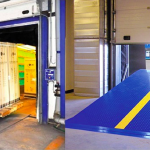 Applications of Hydraulic Dock Levelers
Hydraulic Dock Leveler is a connecting device between the container floor and the warehouse floor, widely used in warehouses with high import and export fr...
Applications of Hydraulic Dock Levelers
Hydraulic Dock Leveler is a connecting device between the container floor and the warehouse floor, widely used in warehouses with high import and export fr...
-
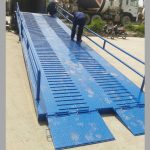 Why Are Forklift Ramps the Preferred Choice for Import and Export Operations?
Container loading ramps bring many important benefits to transport and cargo handling operations. Specially designed, container forklift ramps not only hel...
Why Are Forklift Ramps the Preferred Choice for Import and Export Operations?
Container loading ramps bring many important benefits to transport and cargo handling operations. Specially designed, container forklift ramps not only hel...
-
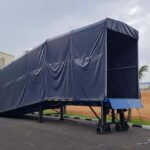 Popular Forklift Ramp Models with Roofs in Use Today
Currently, forklift ramps with roofs have quickly attracted the attention of small and medium-sized enterprises. Not only are they a convenient means of tr...
Popular Forklift Ramp Models with Roofs in Use Today
Currently, forklift ramps with roofs have quickly attracted the attention of small and medium-sized enterprises. Not only are they a convenient means of tr...
-
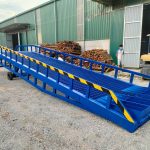 The Most Widely Used Cargo Handling Support Tools Today
There are many different tools available to support cargo loading and unloading, each with its own advantages and disadvantages. Users need to research and...
The Most Widely Used Cargo Handling Support Tools Today
There are many different tools available to support cargo loading and unloading, each with its own advantages and disadvantages. Users need to research and...
-
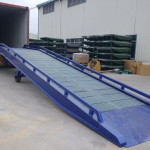 What is a Loading Ramp? Applications of Ramps in Goods Transportation
What is a Loading Ramp?
A loading ramp, also known as a yard ramp or forklift ramp, is a powerful support device in the transportation of goods.
Essentia...
What is a Loading Ramp? Applications of Ramps in Goods Transportation
What is a Loading Ramp?
A loading ramp, also known as a yard ramp or forklift ramp, is a powerful support device in the transportation of goods.
Essentia...
-
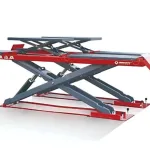 What is a scissor mechanism? Applications of scissor mechanisms in hydraulic lifting equipment
Today, scissor mechanisms are widely applied in hydraulic lifting equipment. These applications are extensively used in construction projects and bring hig...
What is a scissor mechanism? Applications of scissor mechanisms in hydraulic lifting equipment
Today, scissor mechanisms are widely applied in hydraulic lifting equipment. These applications are extensively used in construction projects and bring hig...
-
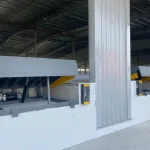 Applications of dock levelers in production
A Dock Leveler is not just a bridge between the warehouse and the transport vehicle, but also a powerful assistant that helps you operate your production p...
Applications of dock levelers in production
A Dock Leveler is not just a bridge between the warehouse and the transport vehicle, but also a powerful assistant that helps you operate your production p...