

 Tiếng Việt
Common hydraulic lifting equipment issues and effective troubleshooting tips
Hydraulic lifting equipment plays a vital role in many industries, from construction to manufacturing, transport, and logistics. However, like any other type of machinery, they can encounter problems during operation. Understanding these issues not only ensures hydraulic lifting equipment safety for people and goods but also avoids operational disruptions. Let’s explore common hydraulic lifting equipment issues and simple, effective troubleshooting tips.
Common Hydraulic Lifting Equipment Issues
Hydraulic Oil Leakage
- Causes: Damaged seals, gaskets, hoses, or worn and loose cylinders.
- Consequences: Reduced work efficiency, environmental pollution, and even risks of fire or explosion.
Unstable Hydraulic Cylinder Operation
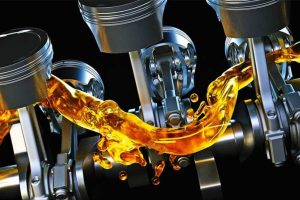
- Causes: Contaminated hydraulic oil, air in the system, or jammed/damaged control valves.
- Consequences: The lifting device jerks, shakes, or fails to lift accurately, endangering operators and cargo.
Inefficient Hydraulic Pump
- Causes: Worn or damaged pump, insufficient oil viscosity, or clogged oil filters.
- Consequences: The lifting device operates weakly, sluggishly, and consumes more energy.
Overheating
- Causes: Overloading, inadequate cooling of hydraulic oil, or system leaks.
- Consequences: Reduced hydraulic oil lifespan, damaged seals and gaskets, and fire hazards.
Abnormal Noise
- Causes: Worn hydraulic pump, jammed control valves, or loose components.
- Consequences: Causes discomfort for operators and serves as a warning of equipment failure.
Other Issues
- Electrical control system failure.
- Hydraulic brake failure.
- Reduced hydraulic pressure.
- Loss of lifting capability.
See also: Common hydraulic lift table errors and how to fix them
Guide to Troubleshooting Hydraulic Lifting Equipment During Operation
Equipped with the knowledge and skills to handle hydraulic lifting equipment failures, you can minimize damage and ensure safety for yourself and those around you.
Below is a guide on how to handle some common issues:
Hydraulic Oil Leakage
- Locate the leak: Carefully inspect pipes, joints, and cylinders to find the source.
- Stop equipment operation: Immediately stop the device upon detecting a leak to prevent further damage.
- Temporary fix: If possible, use tape or suitable materials to temporarily plug the leak.
- Notify the maintenance department: Contact maintenance for repair support.
Unstable Hydraulic Cylinder Operation
- Check hydraulic oil levels: Ensure the oil is at the correct level and free from contamination.
- Bleed air from the system: Perform air bleeding according to the manufacturer’s instructions.
- Inspect control valves: Check if valves are jammed or damaged. Replace if necessary.
Inefficient Hydraulic Pump
- Check hydraulic oil: Ensure the oil has the correct viscosity and is clean.
- Check the oil filter: Clean or replace the filter if it is clogged.
- Inspect the pump: If the pump is faulty, it needs to be replaced.
Overheating
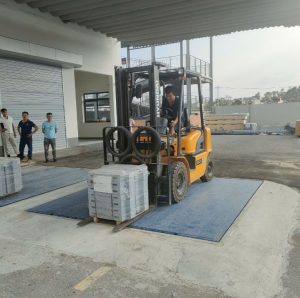
- Reduce load: If the equipment is overloaded, reduce the weight immediately.
- Check the cooling system: Ensure the cooling system is functioning correctly.
- Give the equipment a break: If it has been running continuously for a long time, let it rest to cool down.
Abnormal Noise
- Inspect components: Identify the source of the noise and check related parts like the pump, valves, or cylinders.
- Tighten bolts: If any parts are loose, tighten them properly.
- Lubricate moving parts: Ensure all moving parts are adequately lubricated.
You may also be interested in: Steps to inspect hydraulic lifting equipment before operation
Notes on Troubleshooting Lifting Equipment
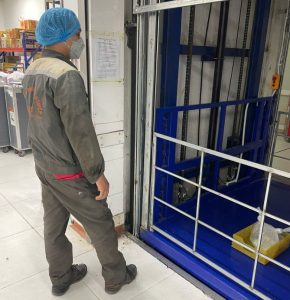
- Prioritize safety: Always put safety first when troubleshooting.
- Disconnect power: Before inspecting or repairing, disconnect the equipment’s power source.
- Refer to the user manual: Always consult the manufacturer’s manual for specific details on troubleshooting.
- Contact an expert: If you cannot resolve the issue yourself, contact a specialist for assistance.
Conclusion
Hydraulic lifting equipment brings many work benefits but also harbors technical risks. Mastering troubleshooting knowledge helps in prevention and timely resolution, ensuring labor safety, protecting assets, and improving production efficiency. If you have further questions about hydraulic lifting equipment issues and effective handling tips, please contact Naltako at:
CONTACT INFORMATION
Website: naltako.vn
Hotline: 0981.977.898
Email: nhat.mtk53@gmail.com
Factory Address: Dong De Village, Phu Yen, Chuong My, Hanoi
Representative Office Address: 4th Floor, SME Hoang Gia Building, To Hieu, Ha Dong, Hanoi
Nội dung có liên quan:
-
 Common Faults in Hydraulic Freight Lifts and How to Fix Them
Freight elevators play an indispensable role in transporting goods and require safe operation. However, it is inevitable that this equipment may occasional...
Common Faults in Hydraulic Freight Lifts and How to Fix Them
Freight elevators play an indispensable role in transporting goods and require safe operation. However, it is inevitable that this equipment may occasional...
-
 Should you buy a new or used freight lift?
The decision to invest in a freight elevator significantly impacts your production and business operations. Both new and used lifts have their own advantag...
Should you buy a new or used freight lift?
The decision to invest in a freight elevator significantly impacts your production and business operations. Both new and used lifts have their own advantag...
-
 Latest Man Lift Rental Price List Update
Renting a man lift has become an optimal solution for both safety and efficiency. Among the vast number of service providers, determining the rental price ...
Latest Man Lift Rental Price List Update
Renting a man lift has become an optimal solution for both safety and efficiency. Among the vast number of service providers, determining the rental price ...
-
 What is a hydraulic hand valve? Types of manually operated hydraulic valves
Hydraulic hand valves are indispensable devices in industrial and civil hydraulic systems, playing a key role in controlling and regulating fluid flow. Whe...
What is a hydraulic hand valve? Types of manually operated hydraulic valves
Hydraulic hand valves are indispensable devices in industrial and civil hydraulic systems, playing a key role in controlling and regulating fluid flow. Whe...
-
 Top 5 best 500-ton hydraulic press brands
What is a 500-ton hydraulic press?
A 500-ton hydraulic press is an industrial machine that uses hydraulic oil to generate an enormous pressing force (500 ...
Top 5 best 500-ton hydraulic press brands
What is a 500-ton hydraulic press?
A 500-ton hydraulic press is an industrial machine that uses hydraulic oil to generate an enormous pressing force (500 ...
-
 Types of hydraulic lifting equipment
 are assistants that help lift and move goods efficiently and safely. From hydraulic forklifts to towering cranes, they...
Types of hydraulic lifting equipment
Types of hydraulic lifting equipment are assistants that help lift and move goods efficiently and safely. From hydraulic forklifts to towering cranes, they...
-
 Safety handbook for hydraulic lifting equipment
The use of hydraulic lifting equipment poses many risks of accidents if not operated and maintained properly. Therefore, occupational safety when using hyd...
Safety handbook for hydraulic lifting equipment
The use of hydraulic lifting equipment poses many risks of accidents if not operated and maintained properly. Therefore, occupational safety when using hyd...
-
 Current lifting solutions for the logistics industry
In the context of booming e-commerce and increasingly complex global supply chains, the logistics industry is facing enormous challenges regarding speed, e...
Current lifting solutions for the logistics industry
In the context of booming e-commerce and increasingly complex global supply chains, the logistics industry is facing enormous challenges regarding speed, e...