

 Tiếng Việt
What is a PU Wheel? Advantages of Polyurethane Wheels
In the field of transporting and lifting goods at manufacturing plants or warehouses, the question “what is a PU wheel” is often asked when learning about the important components of forklifts and trolleys. PU wheels, also known as Polyurethane wheels, are an optimal solution thanks to their superior load-bearing capacity and durability. This article will help you understand the concept, advantages, types, and applications of PU wheels in logistics systems. Let’s explore and choose the right equipment for your work!
What is a PU Wheel and Its Key Features

A PU wheel is a type of wheel made from Polyurethane, a synthetic polymer that combines the durability of plastic with the elasticity of rubber, providing superior performance in material handling equipment. A standout feature of PU wheels is their high load capacity, wear resistance, and non-marking property on floors, making them suitable for various working environments. This material also has excellent shock absorption capabilities, helping to reduce vibration when moving on rough surfaces at warehouses or docks. Thanks to these superior properties, PU wheels are increasingly favored in the production of modern pallet jacks.
Advantages of Heavy-Duty PU Wheels
PU wheels offer many outstanding benefits in cargo handling systems, especially their high load-bearing capacity, with some types capable of supporting loads up to tens of tons without deformation. Additionally, PU wheels feature high durability, excellent wear resistance, immunity to corrosion from grease or chemicals, and particularly noise reduction during movement, protecting floors from scratches in commercial centers or workshops. These advantages help increase work efficiency and reduce maintenance costs.
Common Types of PU Wheels Today
In today’s market, PU wheels are divided into several types within warehouse equipment. Thermoset PU wheels (cast) feature high durability and excellent load-bearing; injection-molded PU wheels are often lighter and more affordable; additionally, there are Ester-based PUs with superior load capacity and grease resistance, and Ether-based PUs with high elasticity and excellent water resistance. These differences help users choose the right wheel type for their specific working environment at manufacturing plants or logistics companies.
Industrial Applications of PU Wheels

PU wheels are widely applied in various fields due to their flexibility and durability in logistics solutions. In industry, they are commonly used for forklifts and industrial trolleys in warehouses and workshops; in civil use, PU wheels appear on carts in hospitals and supermarkets thanks to their smooth movement. Particularly in environments requiring high hygiene, PU wheels are the top choice as they leave no marks and are easy to clean.
How to Preserve PU Wheels Effectively
To extend the lifespan of PU wheels in logistics technology, proper preservation and usage are required. Avoid long-term exposure to high-temperature environments or harsh chemicals, as this can reduce the average service life of 3-5 years. Regular cleaning, wear checks, and axle lubrication are recommended to ensure smooth operation at docks or industrial zones. Storing wheels in a dry place away from direct sunlight is also an effective protection method.
Frequently Asked Questions About PU Wheels
Below are some common questions regarding PU wheels in lifting systems:
- What is a PU wheel and what are its key features?: It is a wheel made from Polyurethane, combining durability and elasticity with good load-bearing.
- What are the advantages of PU wheels compared to other types?: High load-bearing, wear resistance, noise reduction, and floor protection.
- How to preserve PU wheels to extend their lifespan?: Regular cleaning, avoiding harsh chemicals and high temperatures.
- In which fields are PU wheels applied?: Industrial (forklifts, trolleys) and civil (hospitals, supermarkets).
- What is the difference between Ester-based and Ether-based PU?: Ester handles loads and grease better, while Ether offers higher elasticity and water resistance.
Contact Naltako via email info@naltako.vn or 0981.977.898 for further support regarding tilting lift tables and other lifting equipment solutions!
Nội dung có liên quan:
-
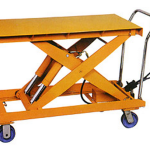 Should You Use a Mini Hydraulic Lift Table?
A lift table is a very useful device for warehouses and workshops. They are used to transport goods as quickly as possible. Among the many types of lift ta...
Should You Use a Mini Hydraulic Lift Table?
A lift table is a very useful device for warehouses and workshops. They are used to transport goods as quickly as possible. Among the many types of lift ta...
-
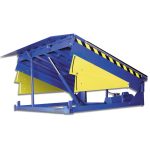 Choosing Between Hydraulic Dock Levelers or Forklift Ramps for Cargo Handling?
Currently in Vietnam, businesses are applying many different methods to carry out import and export operations. Some businesses continue to follow traditio...
Choosing Between Hydraulic Dock Levelers or Forklift Ramps for Cargo Handling?
Currently in Vietnam, businesses are applying many different methods to carry out import and export operations. Some businesses continue to follow traditio...
-
 What is a Loading Dock? What does a Loading Dock system include?
Is your business facing difficulties in transporting goods? Is loading and unloading taking too much time and increasing costs? Have you researched solutio...
What is a Loading Dock? What does a Loading Dock system include?
Is your business facing difficulties in transporting goods? Is loading and unloading taking too much time and increasing costs? Have you researched solutio...
-
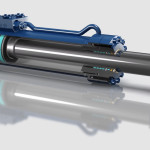 Hydraulic Cylinder Structure, Specifications, and Operating Principles
Hydraulic cylinders, also known as hydraulic rams, are one of the most critical components in a hydraulic system. They have the ability to convert hydrauli...
Hydraulic Cylinder Structure, Specifications, and Operating Principles
Hydraulic cylinders, also known as hydraulic rams, are one of the most critical components in a hydraulic system. They have the ability to convert hydrauli...
-
 Differences Between Freight Elevators and Goods Hoists
Choosing between a freight elevator and a goods hoist is always a difficult puzzle for many businesses. Understanding this, Naltako will help you solve the...
Differences Between Freight Elevators and Goods Hoists
Choosing between a freight elevator and a goods hoist is always a difficult puzzle for many businesses. Understanding this, Naltako will help you solve the...
-
 Hydraulics: Concept, Structure, and Basic Operating Principles
Hydraulics is a vital technology, widely used in modern life. From industrial machinery like dock levelers to vehicles, this system plays an indispensable ...
Hydraulics: Concept, Structure, and Basic Operating Principles
Hydraulics is a vital technology, widely used in modern life. From industrial machinery like dock levelers to vehicles, this system plays an indispensable ...
-
 Dock Shelter and Dock Leveler: The Perfect Combination for Your Warehouse
Is your warehouse operating inefficiently, with high risks of cargo damage and low productivity? Don't worry, the optimal solution is here! The combination...
Dock Shelter and Dock Leveler: The Perfect Combination for Your Warehouse
Is your warehouse operating inefficiently, with high risks of cargo damage and low productivity? Don't worry, the optimal solution is here! The combination...
-
 What is a Raised Floor? What are the components of its structure?
Raised floors, hydraulic dock levelers, and access floors are popular types of flooring widely used in modern construction engineering today. To learn deta...
What is a Raised Floor? What are the components of its structure?
Raised floors, hydraulic dock levelers, and access floors are popular types of flooring widely used in modern construction engineering today. To learn deta...