

 Tiếng Việt
What is a Loading Dock? What does a Loading Dock system include?
Is your business facing difficulties in transporting goods? Is loading and unloading taking too much time and increasing costs? Have you researched solutions but still don’t quite know what a Loading Dock really is?
This article will help you answer those questions. We will help you clearly understand the definition and role of a Loading Dock in goods transportation.
What is a Loading Dock?
Loading Dock is also known as a Loading Bay. In Vietnam, it is commonly referred to as a “Bến xếp dỡ hàng hóa” (Loading and Unloading Berth).
A Loading Dock is an area for importing and exporting goods, where items are transferred from the warehouse to containers or vice versa.
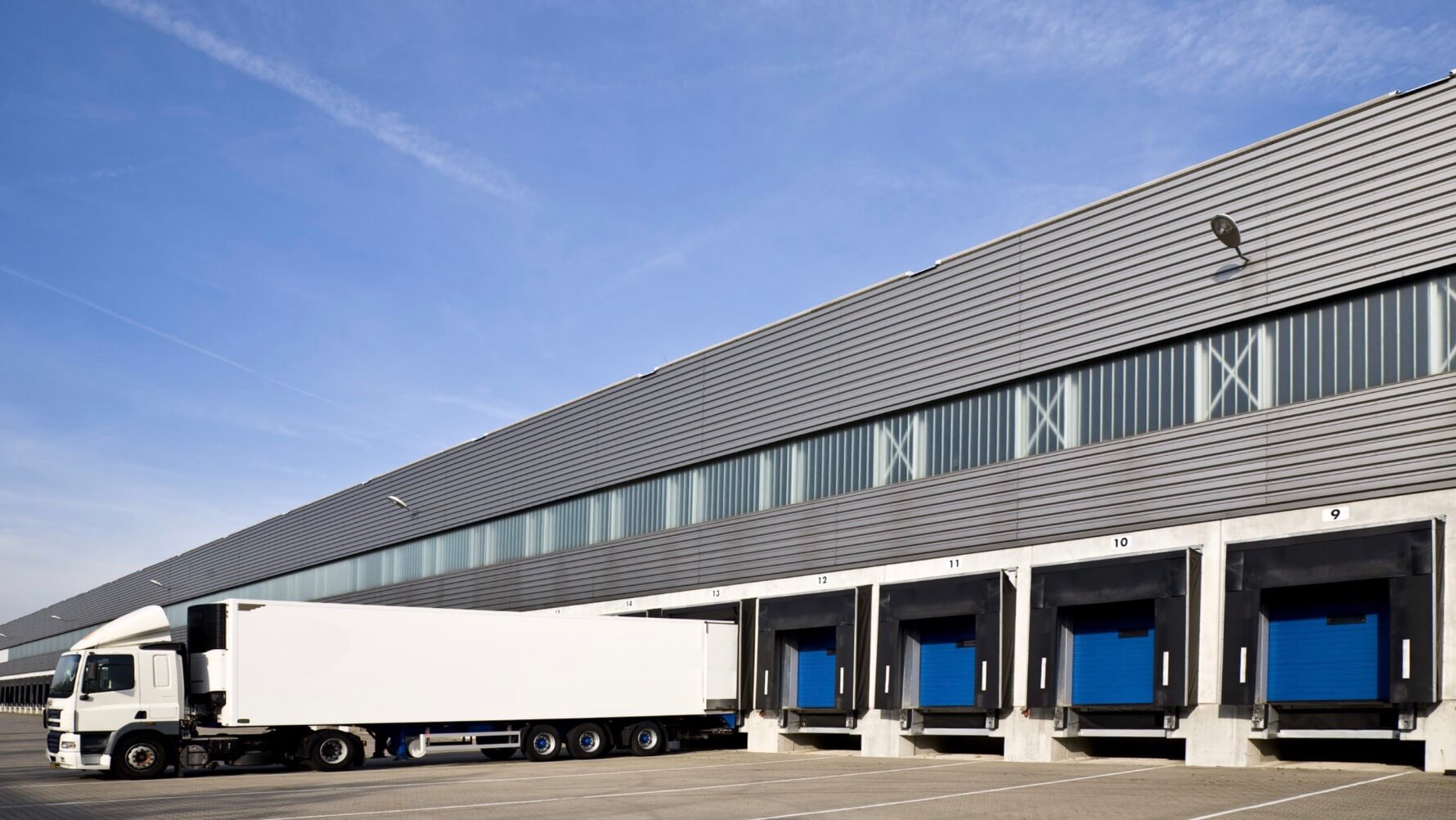
Loading Docks are typically built at warehouses, factories, industrial zones, or distribution centers.
A Loading Bay can have one or more doors where trucks, containers, or trailers can park to load and unload goods. The dock doors are usually designed at a height level with the floor of the truck or trailer to facilitate easy loading and unloading using forklifts or trolleys.
See more:
The Role of a Loading Dock
☑️ Creates a dedicated delivery area, shortening loading and unloading times and increasing labor efficiency.
☑️ Optimizes the use of forklifts, trucks, and labor, thereby saving transportation and labor costs.
☑️ Ensures safety for workers during the loading and unloading process, minimizing the risk of accidents.
☑️ Protects goods from the impact of weather and external factors.
It can be said that the Loading Dock is a breakthrough invention in the logistics industry. Without needing a overly complex warehouse, it still achieves maximum productivity and economic efficiency. Thanks to these benefits, most businesses and workshops today equip themselves with a complete Loading Bay system.
What does a Loading Dock include?
A complete Loading Dock system requires a significant investment in equipment. However, in terms of long-term economic efficiency, building a loading dock is an optimal solution.
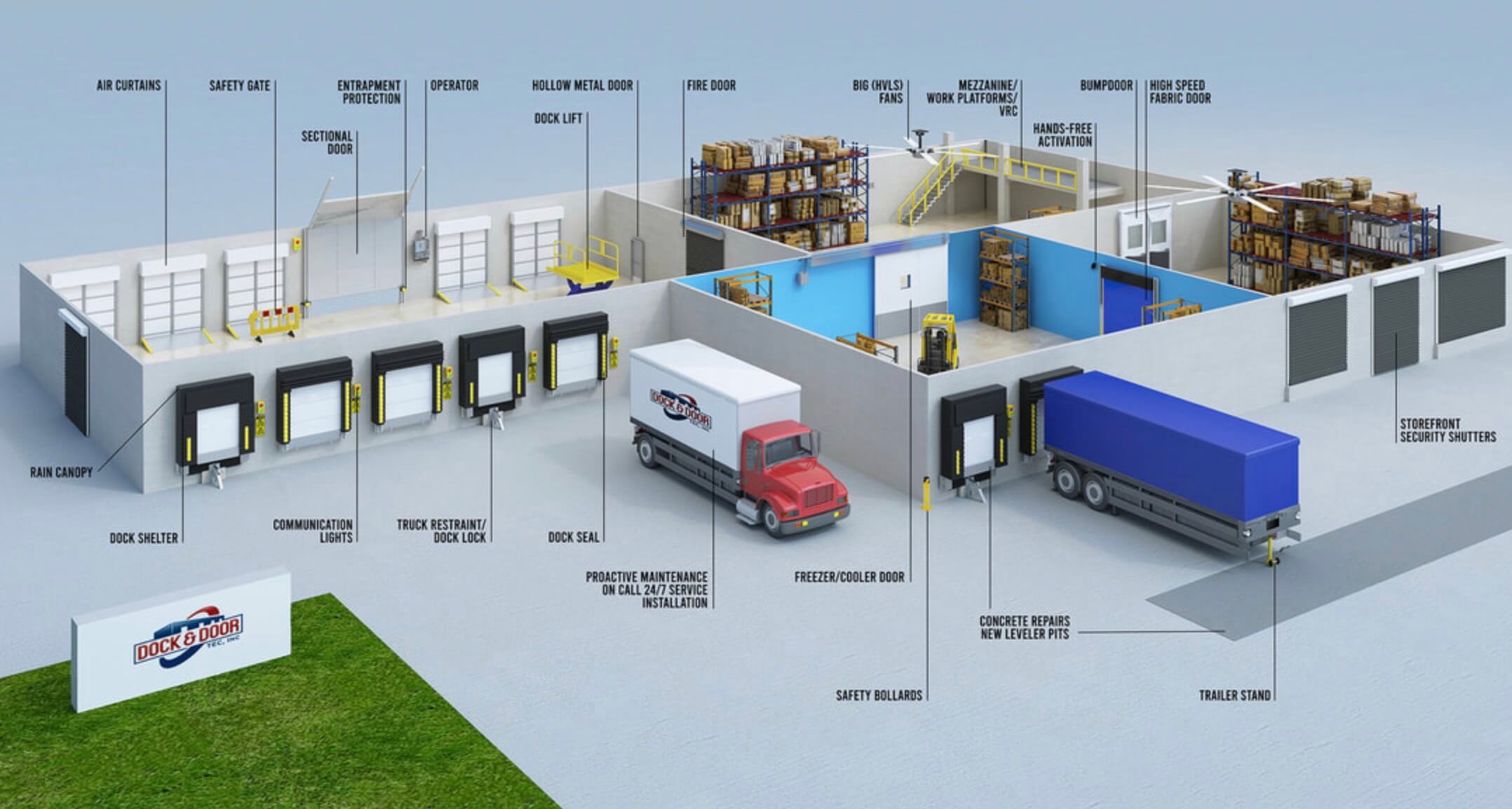
Below are the essential components required in a Loading Dock system.
Loading Dock Door
The Loading Dock Door can be a rolling door, sliding door, or overhead door, designed to ensure a tight seal and prevent the entry of dust, insects, and bad weather.
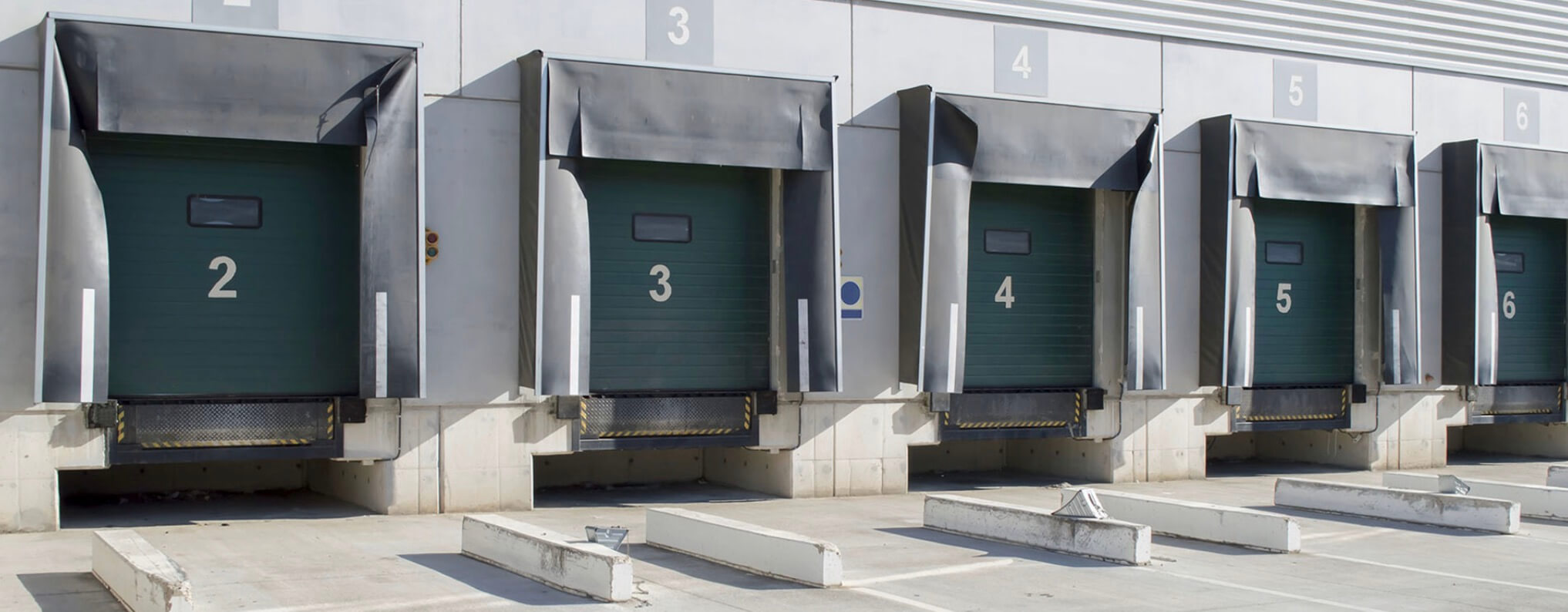
Among all types, rolling doors are the most widely used due to their convenience and high applicability. Doors are often numbered to ensure the import and export process is easy and error-free.
Hydraulic Dock Leveler
Hydraulic Dock Levelers help adjust the height of the warehouse floor to match the truck bed height, facilitating the movement of goods by forklift.

Loading Platform
A loading platform is a temporary area for storing goods before they are moved into the warehouse or onto a truck.
Dock Seals and Dock Shelters
Dock Leveler Seals and dock shelters create a sealed environment between the warehouse and the truck or container, optimizing loading operations and protecting goods from environmental factors. These consist of two main parts: the door seals and the canopy.
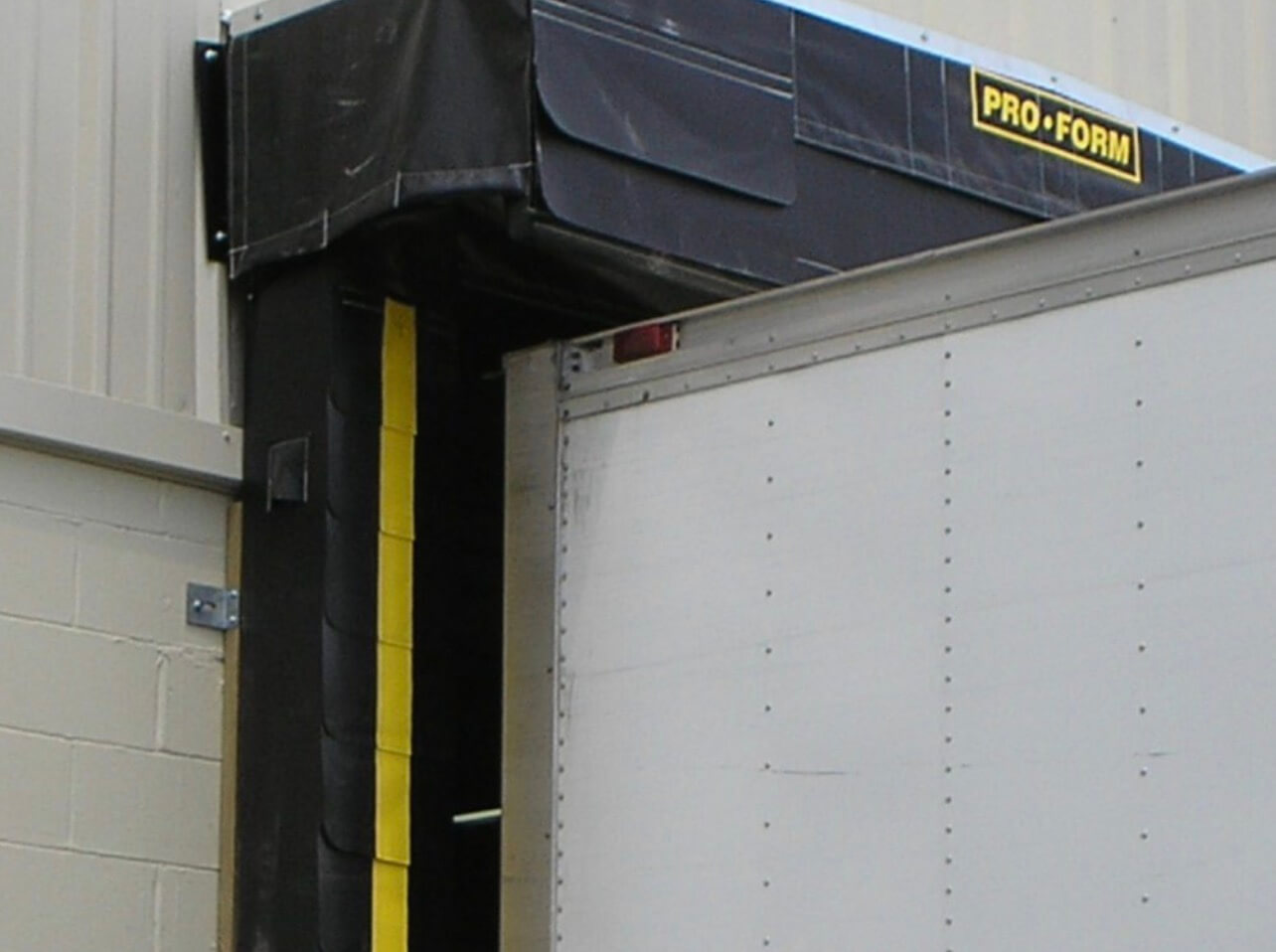
Dock seals are cushions made of durable, elastic material installed around the Loading Dock door. When a truck or container reverses into the dock, this component functions by tightly hugging the vehicle body.
Meanwhile, the shelter (canopy) provides protection from rain, sun, and wind for the loading area, protecting goods from adverse weather. Shelters are usually made from strong industrial fabric with a metal support frame.
Vehicle Restraints (Dok Lok Rite Hite) – Safety Locks
Safety locks function to secure trucks and containers to the dock door. This component ensures that during the loading or unloading process, nothing shifts, which could cause worker injury or damage to goods.
Lighting System
The lighting system ensures clear visibility for workers during the process, especially at night or in low-light conditions.
Warning System
Warning systems play a vital role in ensuring the safety of workers and goods. This system typically includes:
Warning lights and sirens: Alert workers and operators if the loading process is becoming dangerous and needs correction or repair. Issues may arise from the dock leveler or dock door.
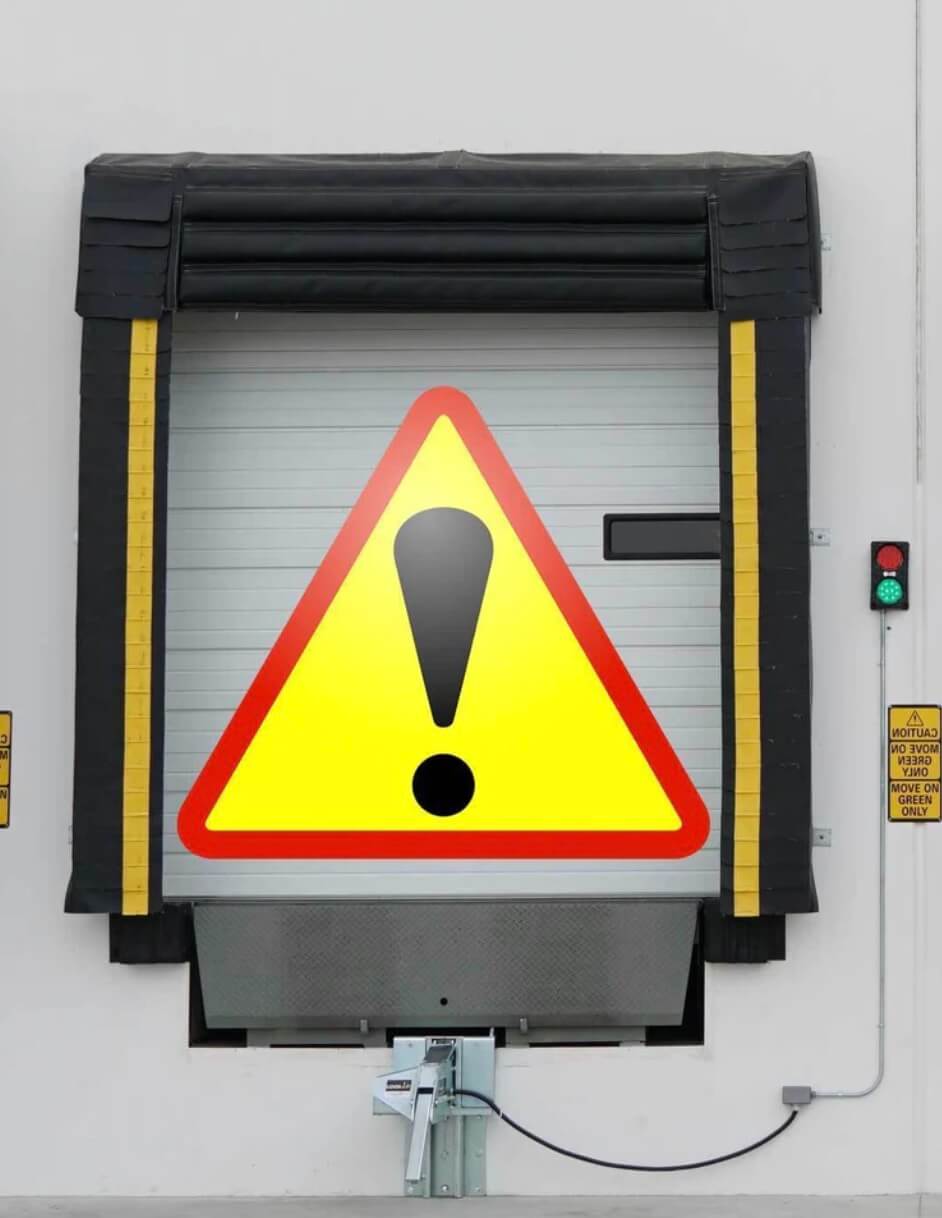
Barriers: Equipment used to prevent people and vehicles from entering dangerous areas within the Loading Dock.
Camera system: Equipment used to monitor activities in the Loading Dock and detect potential hazards.
Sensors: Devices that automatically detect hazards and are connected directly to warning lights and sirens.
Control System
The control system is considered the “brain” of the Loading Dock. Managed and operated directly by humans, it ensures the loading process runs smoothly and efficiently.
Today, control systems integrate new technologies such as management software, sensors, and AI. Using the control system effectively enhances supply chain efficiency, automation, cost savings, and a safe working environment.
Common Types of Loading Docks Today
Currently, various types of Loading Docks are used to meet the diverse needs of businesses. However, the two most used types are mobile and fixed.
Mobile type: This type is often used for businesses with infrequent loading needs or multiple loading locations. Equipment such as automatic levelers or Dock Seals & Shelters in these docks also require high mobility and flexibility.
Fixed type: This type is commonly used for businesses with frequent loading needs and high volumes, fixed in a specific location within a warehouse or factory.
6 Steps for Loading and Unloading with a Loading Dock
Step 1: Preparation of goods
In addition to packaging requirements, check the weight and dimensions of the goods to ensure they fit the transport capacity of the Loading Dock.
Step 2: Position the truck or container at the Loading Dock
Contact the coordination department for guidance to the appropriate position. The control department will adjust the height of the dock to match the vehicle height. Then, secure the truck bed to the leveler using the Dok Lok Rite Hite safety lock.
Step 3: Open the Loading Dock door
Open the Loading Dock door via the control system or manually. Ensure the door is tightly closed once the truck or container is in position.
Step 4: Load/Unload goods
Use a forklift or other transport equipment to move goods from the warehouse/container to the truck (exporting) or vice-versa (importing).
Step 5: Complete loading and close the Loading Dock door
Re-check the quantity and condition of the goods, then close the Loading Dock door and the truck or container door.
Step 6: Leave the Loading Dock
Receive documents from the coordination department, leave the Loading Dock, and move to the next destination. The industrial lift control unit will lower the platform back to its original position.
Important Notes When Using a Loading Dock
⚠️ Comply with the business’s occupational safety regulations.
⚠️ Regularly inspect the Loading Dock system, including components like the leveler system, dock doors, control systems, etc.
⚠️ Use forklifts, trucks, and containers with dimensions and load capacities appropriate for the goods being transported.
⚠️ Always check the condition of goods before transport to ensure there is no damage or error.
⚠️ Control the entry and exit of vehicles and goods. Only allow authorized personnel into the Loading Dock area.
Conclusion
Loading Docks play a vital role in optimizing import and export activities, contributing to supply chain efficiency, saving costs, and creating a safe work environment for employees.
Choosing the right Loading Dock type, adhering to safety regulations, and utilizing the system effectively will help businesses achieve optimal operational efficiency.
Nội dung có liên quan:
-
 Hydraulic Cylinder Structure, Specifications, and Operating Principles
Hydraulic cylinders, also known as hydraulic rams, are one of the most critical components in a hydraulic system. They have the ability to convert hydrauli...
Hydraulic Cylinder Structure, Specifications, and Operating Principles
Hydraulic cylinders, also known as hydraulic rams, are one of the most critical components in a hydraulic system. They have the ability to convert hydrauli...
-
 Differences Between Freight Elevators and Goods Hoists
Choosing between a freight elevator and a goods hoist is always a difficult puzzle for many businesses. Understanding this, Naltako will help you solve the...
Differences Between Freight Elevators and Goods Hoists
Choosing between a freight elevator and a goods hoist is always a difficult puzzle for many businesses. Understanding this, Naltako will help you solve the...
-
 Hydraulics: Concept, Structure, and Basic Operating Principles
Hydraulics is a vital technology, widely used in modern life. From industrial machinery like dock levelers to vehicles, this system plays an indispensable ...
Hydraulics: Concept, Structure, and Basic Operating Principles
Hydraulics is a vital technology, widely used in modern life. From industrial machinery like dock levelers to vehicles, this system plays an indispensable ...
-
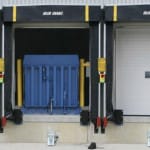 Dock Shelter and Dock Leveler: The Perfect Combination for Your Warehouse
Is your warehouse operating inefficiently, with high risks of cargo damage and low productivity? Don't worry, the optimal solution is here! The combination...
Dock Shelter and Dock Leveler: The Perfect Combination for Your Warehouse
Is your warehouse operating inefficiently, with high risks of cargo damage and low productivity? Don't worry, the optimal solution is here! The combination...
-
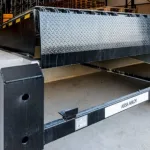 What is a Raised Floor? What are the components of its structure?
Raised floors, hydraulic dock levelers, and access floors are popular types of flooring widely used in modern construction engineering today. To learn deta...
What is a Raised Floor? What are the components of its structure?
Raised floors, hydraulic dock levelers, and access floors are popular types of flooring widely used in modern construction engineering today. To learn deta...
-
 What is Hydraulic? Everything You Need to Know About Hydraulics
"Hydraulic" is certainly a term that many people are interested in. In Vietnamese, it translates to "thủy lực." Today, common industrial machinery within h...
What is Hydraulic? Everything You Need to Know About Hydraulics
"Hydraulic" is certainly a term that many people are interested in. In Vietnamese, it translates to "thủy lực." Today, common industrial machinery within h...
-
 What is a food lift?
Food lifts are commonly found equipment in large restaurants and hotels. They are easy-to-use vehicles due to their compact and safe design. Improving qual...
What is a food lift?
Food lifts are commonly found equipment in large restaurants and hotels. They are easy-to-use vehicles due to their compact and safe design. Improving qual...
-
 Guide to selecting used hydraulic cylinders effectively
Hydraulic cylinders play a vital role in hydraulic systems by providing high working efficiency. Currently, many people use used hydraulic cylinders to sav...
Guide to selecting used hydraulic cylinders effectively
Hydraulic cylinders play a vital role in hydraulic systems by providing high working efficiency. Currently, many people use used hydraulic cylinders to sav...