

 Tiếng Việt
What is a Distribution Centre? What is its role in logistics?
A Distribution Centre is an important link in the logistics system, ensuring goods are received, processed, and distributed quickly to customers. This is where the supply chain is optimized, delivery time is shortened, and costs are reduced. Naltako, specializing in providing forklift ramps, brings lifting equipment that supports efficient operations at distribution centres. The article below will explain in detail what a Distribution Centre is and how Naltako enhances logistics efficiency.
What is a Distribution Centre in logistics?
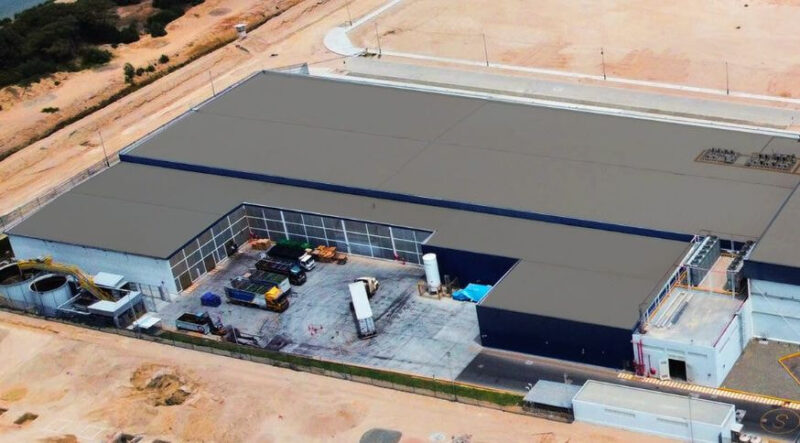
A Distribution Centre is an intermediary logistics facility in the distribution network, specializing in receiving, temporarily storing, processing orders, and distributing goods to agents, stores, or end customers. Not only storing, a distribution centre also provides value-added services such as packaging and labeling. Key characteristics:
- High turnover rate: Ensures goods reach customers quickly.
- Strategic location: Near transport hubs to optimize transportation infrastructure.
- Modern technology: Uses a Warehouse Management System (WMS) to control inventory.
How is a distribution centre different from a warehouse?
A distribution centre differs from a traditional warehouse in objectives and operations:
- Distribution centre: Optimizes the flow of goods, processes orders quickly, provides services like cross-docking, packaging. The turnover rate is 3 times higher than a warehouse.
- Warehouse: Primarily for long-term storage, fewer value-added services, slower processing speed.
The role of a distribution centre in the supply chain?
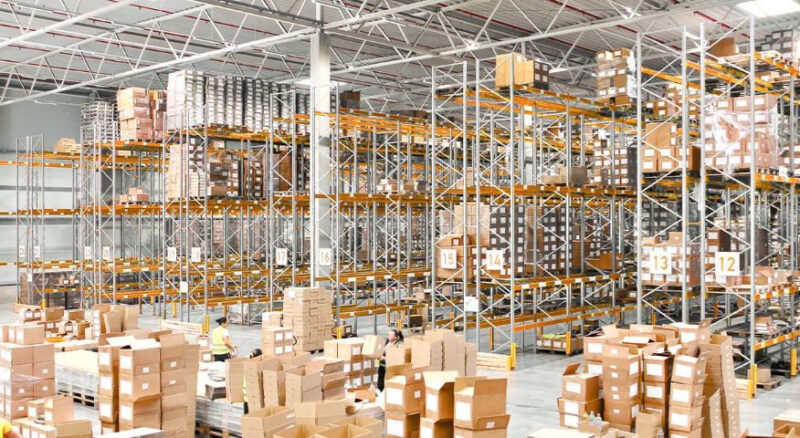
The distribution centre is a bridge in the global supply chain, linking suppliers and end customers. Main roles:
- Shorten delivery time: Reduces the time from warehouse to customer to under 24 hours.
- Cost optimization: Cuts transportation costs by 10% thanks to a strategic location.
- Sales analysis: Data from WMS helps adjust inventory according to demand.
What are the main functions of a distribution centre?
The distribution centre performs the following core functions:
- Receiving and storing: Receives goods from suppliers, uses mini cranes for loading and unloading.
- Sorting and processing orders: Arranges goods as required, applies goods packaging.
- Transporting goods: Coordinates to distribution agents using forklift ramps.
- Value-added services: Performs cross-docking, handles returns.
What is a Distribution Centre? What is its role in logistics?
Optimizing cost and time at a distribution centre?
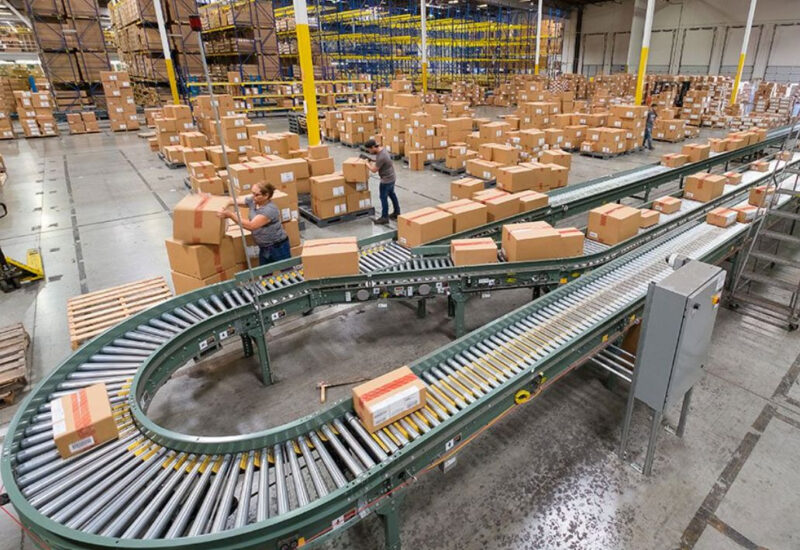
To optimize cost and time, distribution centres use:
- Logistics automation: Automated robots in the warehouse, like at an Amazon distribution centre, process 1,000 orders/hour.
- Warehouse Management System (WMS): Real-time inventory tracking, reducing errors by 15%.
- Modern equipment: Scissor lifts by Naltako help stack goods on high shelves, increasing efficiency by 20%.
At the Ha Dong warehouse, the hydraulic lift table from Naltako supports the operational process, reducing storage costs by 10%. This technology helps distribution centres compete strongly. We encourage you to contact 0981.977.898 to cooperate with Naltako regarding equipment for distribution centres!
Nội dung có liên quan:
-
 Should You Use a Mini Hydraulic Lift Table?
A lift table is a very useful device for warehouses and workshops. They are used to transport goods as quickly as possible. Among the many types of lift ta...
Should You Use a Mini Hydraulic Lift Table?
A lift table is a very useful device for warehouses and workshops. They are used to transport goods as quickly as possible. Among the many types of lift ta...
-
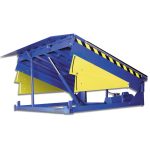 Choosing Between Hydraulic Dock Levelers or Forklift Ramps for Cargo Handling?
Currently in Vietnam, businesses are applying many different methods to carry out import and export operations. Some businesses continue to follow traditio...
Choosing Between Hydraulic Dock Levelers or Forklift Ramps for Cargo Handling?
Currently in Vietnam, businesses are applying many different methods to carry out import and export operations. Some businesses continue to follow traditio...
-
 What is a Loading Dock? What does a Loading Dock system include?
Is your business facing difficulties in transporting goods? Is loading and unloading taking too much time and increasing costs? Have you researched solutio...
What is a Loading Dock? What does a Loading Dock system include?
Is your business facing difficulties in transporting goods? Is loading and unloading taking too much time and increasing costs? Have you researched solutio...
-
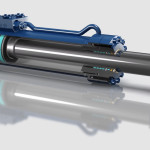 Hydraulic Cylinder Structure, Specifications, and Operating Principles
Hydraulic cylinders, also known as hydraulic rams, are one of the most critical components in a hydraulic system. They have the ability to convert hydrauli...
Hydraulic Cylinder Structure, Specifications, and Operating Principles
Hydraulic cylinders, also known as hydraulic rams, are one of the most critical components in a hydraulic system. They have the ability to convert hydrauli...
-
 Differences Between Freight Elevators and Goods Hoists
Choosing between a freight elevator and a goods hoist is always a difficult puzzle for many businesses. Understanding this, Naltako will help you solve the...
Differences Between Freight Elevators and Goods Hoists
Choosing between a freight elevator and a goods hoist is always a difficult puzzle for many businesses. Understanding this, Naltako will help you solve the...
-
 Hydraulics: Concept, Structure, and Basic Operating Principles
Hydraulics is a vital technology, widely used in modern life. From industrial machinery like dock levelers to vehicles, this system plays an indispensable ...
Hydraulics: Concept, Structure, and Basic Operating Principles
Hydraulics is a vital technology, widely used in modern life. From industrial machinery like dock levelers to vehicles, this system plays an indispensable ...
-
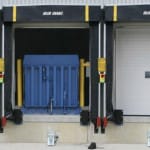 Dock Shelter and Dock Leveler: The Perfect Combination for Your Warehouse
Is your warehouse operating inefficiently, with high risks of cargo damage and low productivity? Don't worry, the optimal solution is here! The combination...
Dock Shelter and Dock Leveler: The Perfect Combination for Your Warehouse
Is your warehouse operating inefficiently, with high risks of cargo damage and low productivity? Don't worry, the optimal solution is here! The combination...
-
 What is a Raised Floor? What are the components of its structure?
Raised floors, hydraulic dock levelers, and access floors are popular types of flooring widely used in modern construction engineering today. To learn deta...
What is a Raised Floor? What are the components of its structure?
Raised floors, hydraulic dock levelers, and access floors are popular types of flooring widely used in modern construction engineering today. To learn deta...