

 Tiếng Việt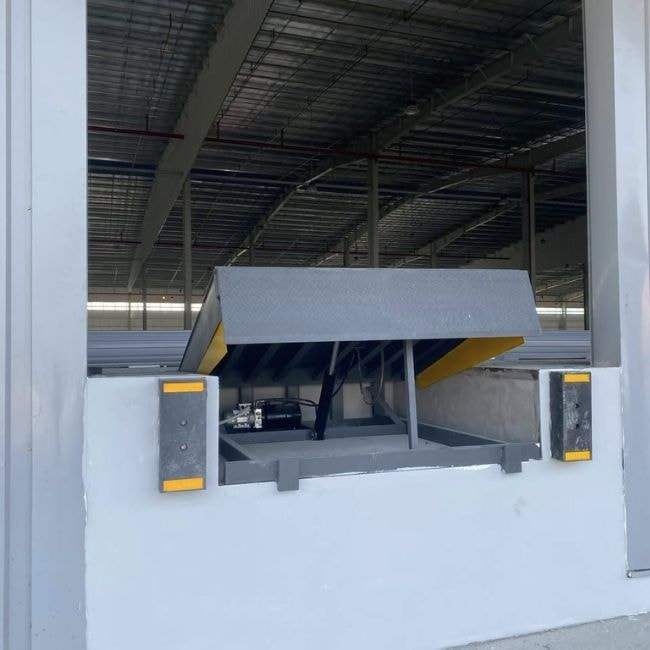
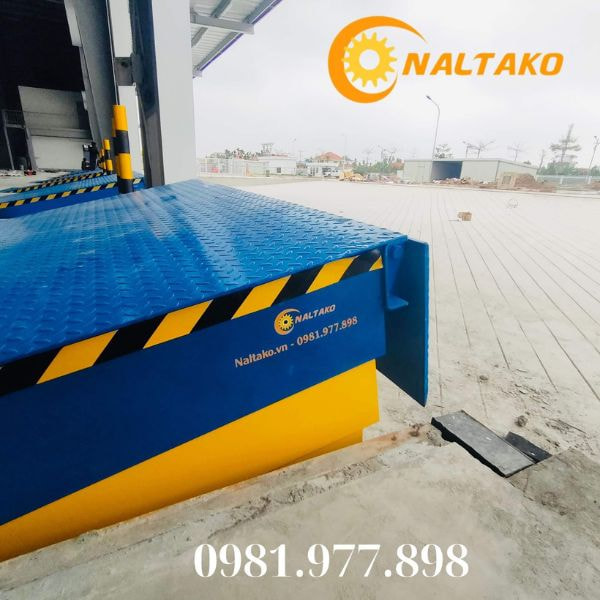
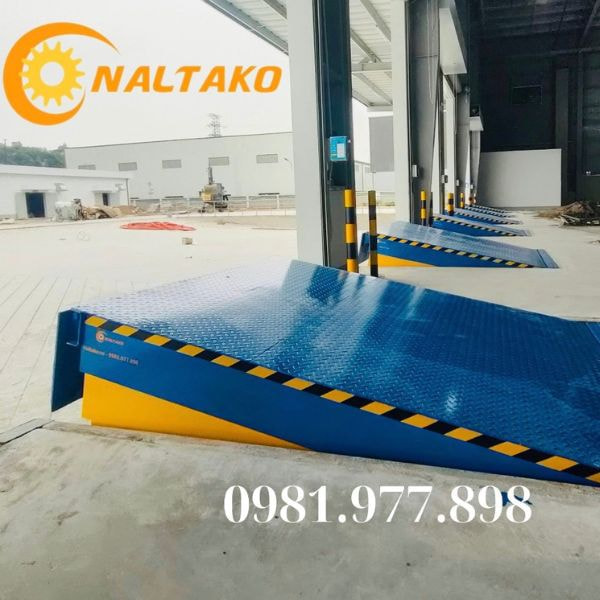
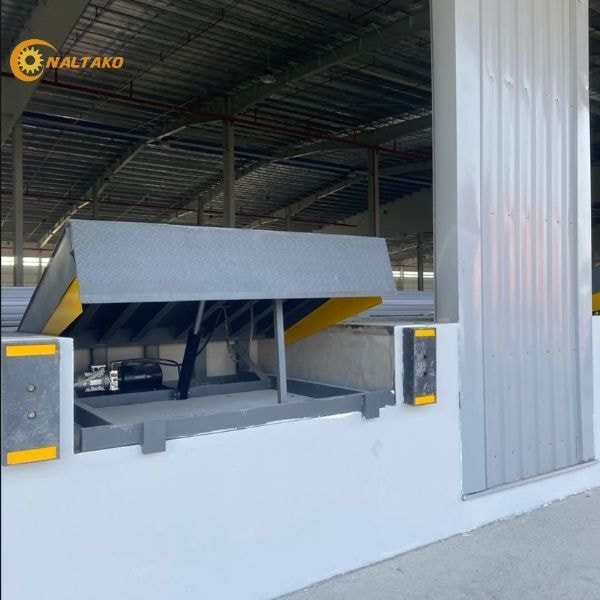
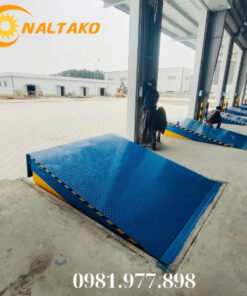
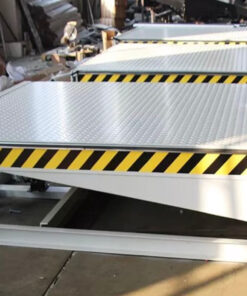
Hydraulic Dock Leveler
45.000.000₫
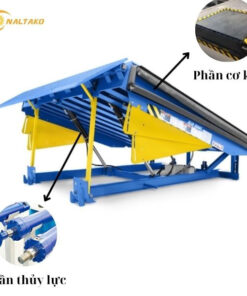
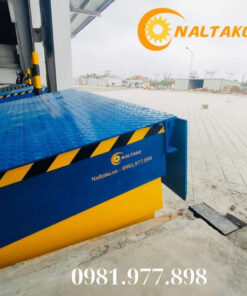
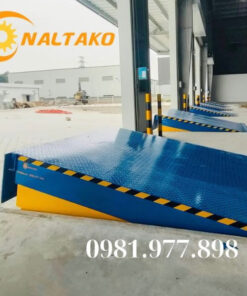
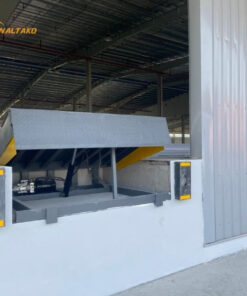
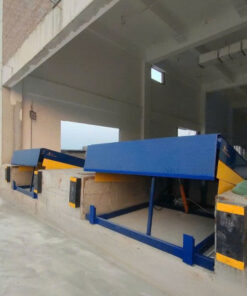
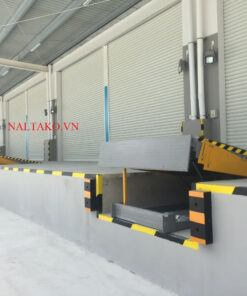
A hydraulic dock leveler is an important piece of equipment in the logistics industry, functioning as a bridge that adjusts the height between the warehouse floor and transport vehicles. This device helps optimize the cargo loading and unloading process, enhancing efficiency and ensuring labor safety.
Hydraulic dock levelers use a hydraulic system for lifting and lowering, creating a flexible connection that allows forklifts to move goods between the warehouse and trucks or containers in a convenient and safe manner.
What is a Hydraulic Dock Leveler?
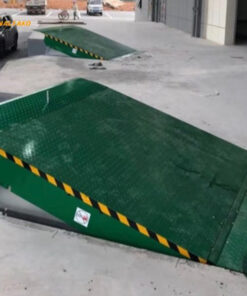
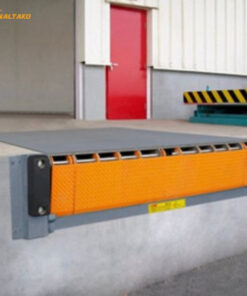
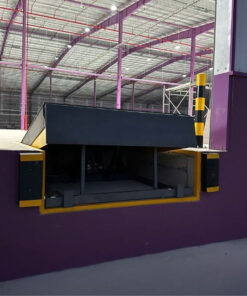
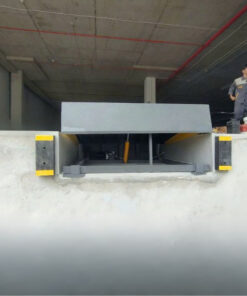
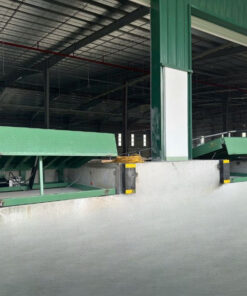
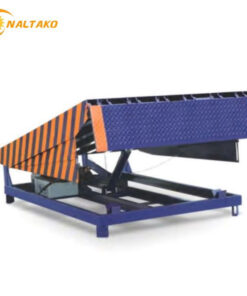
Hydraulic dock leveler (also known as a hydraulic dock leveler, hydraulic cargo lift) is specialized equipment in logistics, acting as a smart bridge between the warehouse floor and transport vehicles such as trucks and containers.
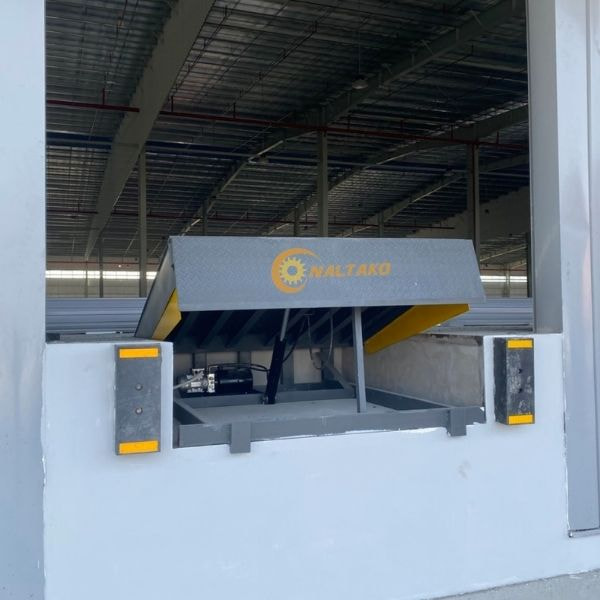
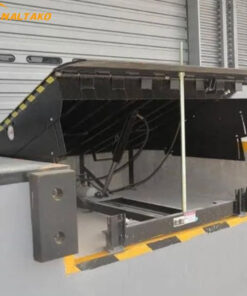
Operating Principle: The device operates based on a hydraulic system: when needed, the hydraulic pump creates pressure to push oil into the cylinder, lifting the deck to a height suitable for the truck bed. The lip (bridge) will fold down to create a seamless surface for forklifts to move.
Hydraulic dock levelers eliminate the height difference between the warehouse floor and the transport vehicle floor, typically ranging from 200-600mm. This helps cargo forklifts move conveniently, minimizes vibration, and ensures safety for goods.
Classification of Hydraulic Dock Levelers by Capacity
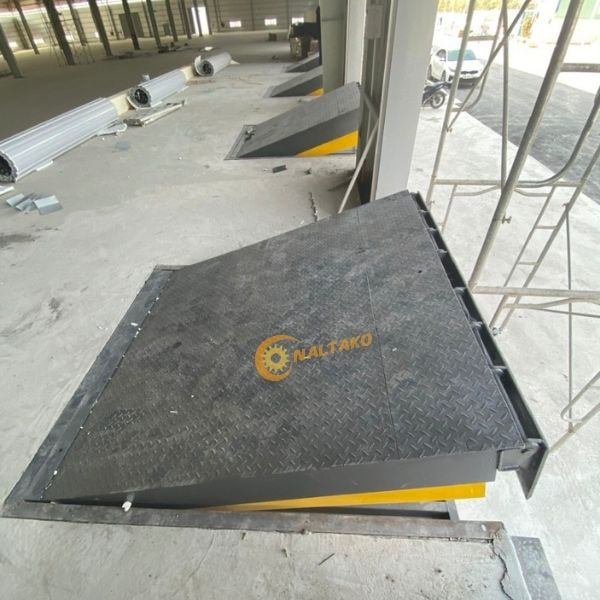
Small Dock Leveler (Under 5 tons)
Technical Characteristics:
-
Compact dimensions: 1500x2000mm or 1800x2000mm
-
Deck plate thickness: 6-8mm
-
Motor power: 1.5-2.2kW
Advantages:
-
Low investment cost
-
Suitable for limited spaces
-
Easy to install and maintain
Applications:
-
Stores, small supermarkets
-
Small and medium manufacturing workshops
-
Small-scale warehouses
Medium Capacity Dock Leveler (5-12 tons)
Technical Characteristics:
-
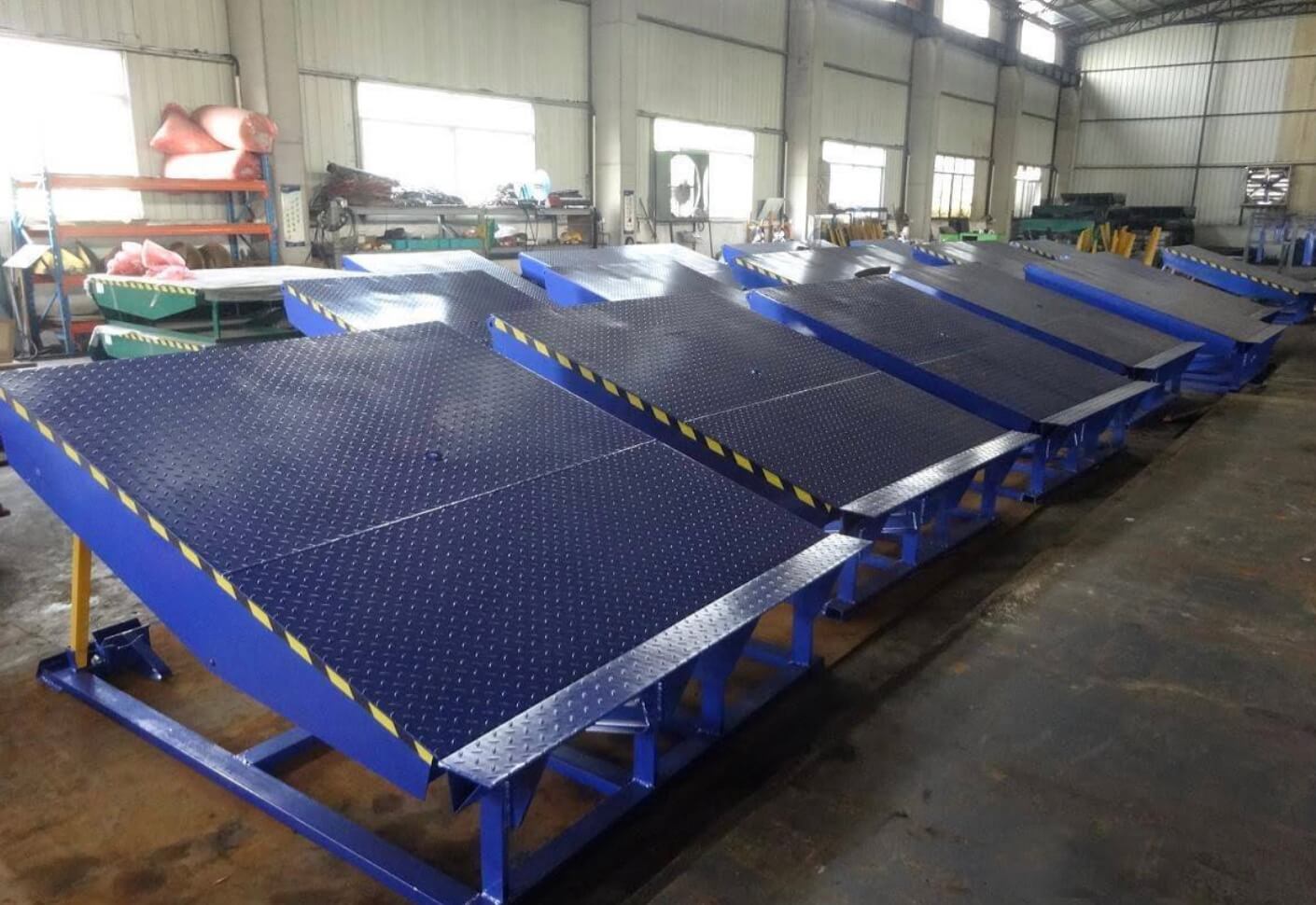
Common dimensions: 2000x2500mm, 2200x2500mm
-
Deck plate thickness: 8-10mm
-
Motor power: 2.2-4kW
-
Complies with standards EN1570, ASME B20.1
Advantages:
-
Capacity meets most needs
-
Reasonable price
-
Good durability and stability
Applications:
-
Logistics warehouses
-
Distribution centers
-
Manufacturing factories
Large Capacity Dock Leveler (Over 12 tons)
Technical Characteristics:
-
Large dimensions: 2500x2500mm and up
-
Deck plate thickness: 10-12mm
-
High-power hydraulic system
-
Specially designed for super-heavy loads
Advantages:
-
Withstands extreme loads
-
High durability, long lifespan
-
Suitable for super-heavy goods
Applications:
-
Seaports, airports
-
Heavy industrial plants
-
Large logistics centers
Detailed Comparison Table:
| Criteria | Small Type (Under 5 tons) | Medium Capacity (5-12 tons) | Large Capacity (Over 12 tons) |
|---|---|---|---|
| Dimensions | 1500x2000mm 1800x2000mm |
2000x2500mm 2200x2500mm |
2500x2500mm and up |
| Deck Plate Thickness | 6-8mm | 8-10mm | 10-12mm |
| Motor Power | 1.5-2.2kW | 2.2-4kW | High power |
| Standards | – | EN1570, ASME B20.1 | Special design |
| Investment Cost | Low | Reasonable | High |
| Installation Space | Suitable for limited space | Medium | Requires large space |
| Maintenance | Easy | Medium | Complex |
| Durability | Medium | Good | Very high |
| Lifespan | Medium | Long | Very long |
| Main Applications | Stores, small supermarkets SME workshops Small warehouses |
Logistics warehouses Distribution centers Manufacturing factories |
Seaports, airports Heavy industry Large logistics |
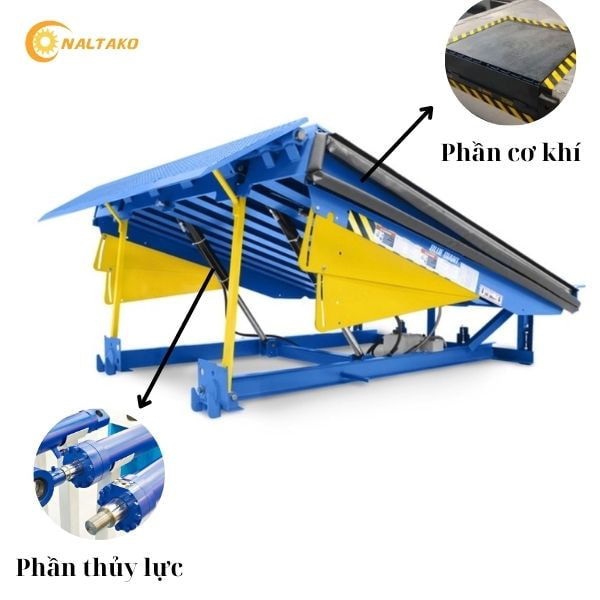
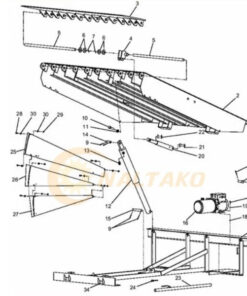
Detailed Structure of Hydraulic Dock Leveler
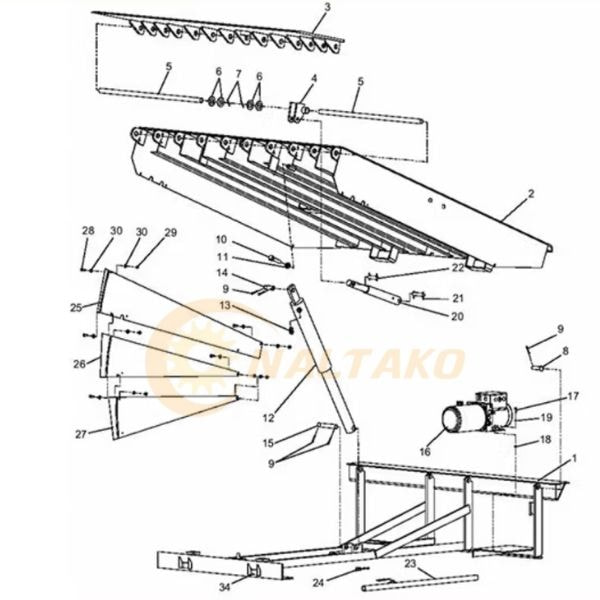
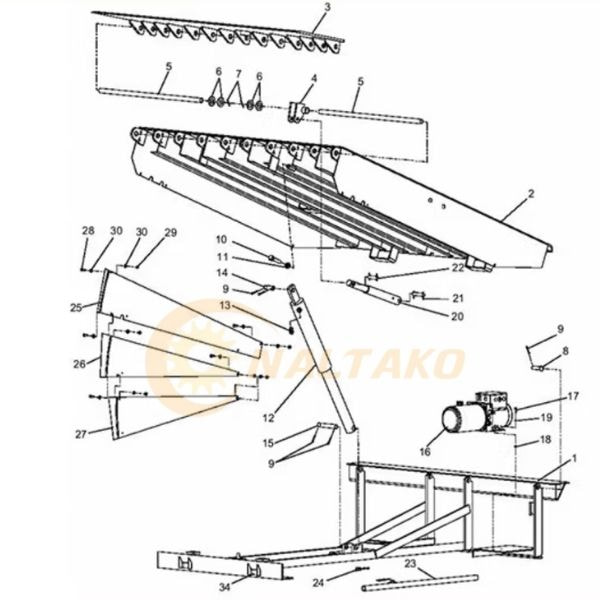
Mechanical Frame – Main Load-Bearing Component
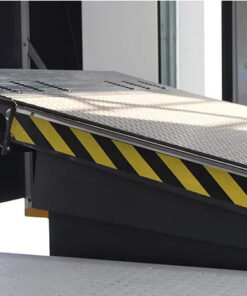
Load-Bearing Deck
-
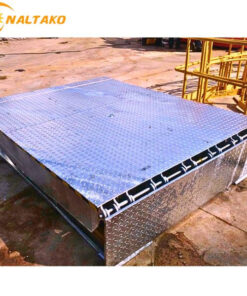
Material: Anti-slip checkered steel plate
-
Thickness: 8-12mm depending on load
-
Surface: Textured for slip resistance and safety
-
Design: Even load distribution, good concentrated load bearing
Load-Bearing Steel Frame
-
Structure: Box steel or angle steel
-
Surface treatment: Anti-corrosion paint
-
Design: Optimized for lifting force and load bearing
Lip (Bridge)
-
Size: 400-600mm depending on model
-
Material: Steel or aluminum alloy
-
Mechanism: Automatic or manual folding/opening
-
Surface: Anti-slip, wear-resistant
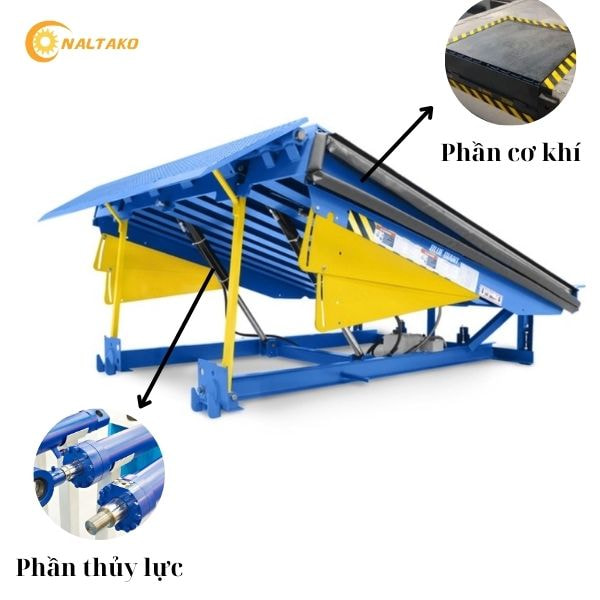
Hydraulic System – The Heart of the Equipment
Hydraulic Cylinder
-
Type: Single or double-acting cylinder
-
Stroke: 300-1000mm depending on requirements
-
Working pressure: 150-210 bar
-
Material: Stainless steel, NBR rubber seal
Hydraulic Pump
-
Type: Gear pump or piston pump
-
Flow rate: 8-25 liters/minute
-
Pressure: 150-250 bar
-
Noise level: <65dB
Electric Motor
-
Power: 2.2-7.5kW
-
Voltage: 220V/380V
-
Frequency: 50Hz
-
Protection class: IP54 and up
Control Valves
-
Safety valve: Prevents overpressure
-
Flow control valve: Adjusts speed
-
Solenoid valve: Controls flow direction
-
Lock valve: Holds position during power failure
Control and Safety System
Control Panel
-
Buttons: Up/Down/Emergency Stop
-
Indicator lights: Operation/Fault/Maintenance
-
Circuit breaker: Overload protection
-
Timer: Automatic shut-off after a set time
Safety Devices
-
Anti-jamming sensor: Detects obstacles
-
Relief valve: Lowers pressure upon overload
-
Safety lock: Prevents improper operation
-
Warning light: Signals when in operation
Standard Hydraulic Dock Leveler Specifications
| Parameter | Value | Note |
|---|---|---|
| Capacity | 6/8/10/12 tons | Customizable upon request |
| Deck Dimensions | 2000x2500mm 2200x2500mm 2500x2500mm |
Most common sizes |
| Lip Dimensions | 400-600mm | Depending on truck type and needs |
| Lift Stroke | 300-600mm | Adjusts to height difference |
| Lifting Speed | 6-15mm/s | Adjustable |
| Deck Steel Thickness | 8-12mm | Depending on capacity |
| Motor Power | 2.2-4kW | High efficiency, energy saving |
| Power Source | 380V/50Hz | Industrial standard |
| Manufacturing Standards | EN1570, ASME B20.1 | Ensures international quality |
>>> Learn more: Standard hydraulic dock leveler specifications at Naltako
Practical Applications of Hydraulic Dock Levelers
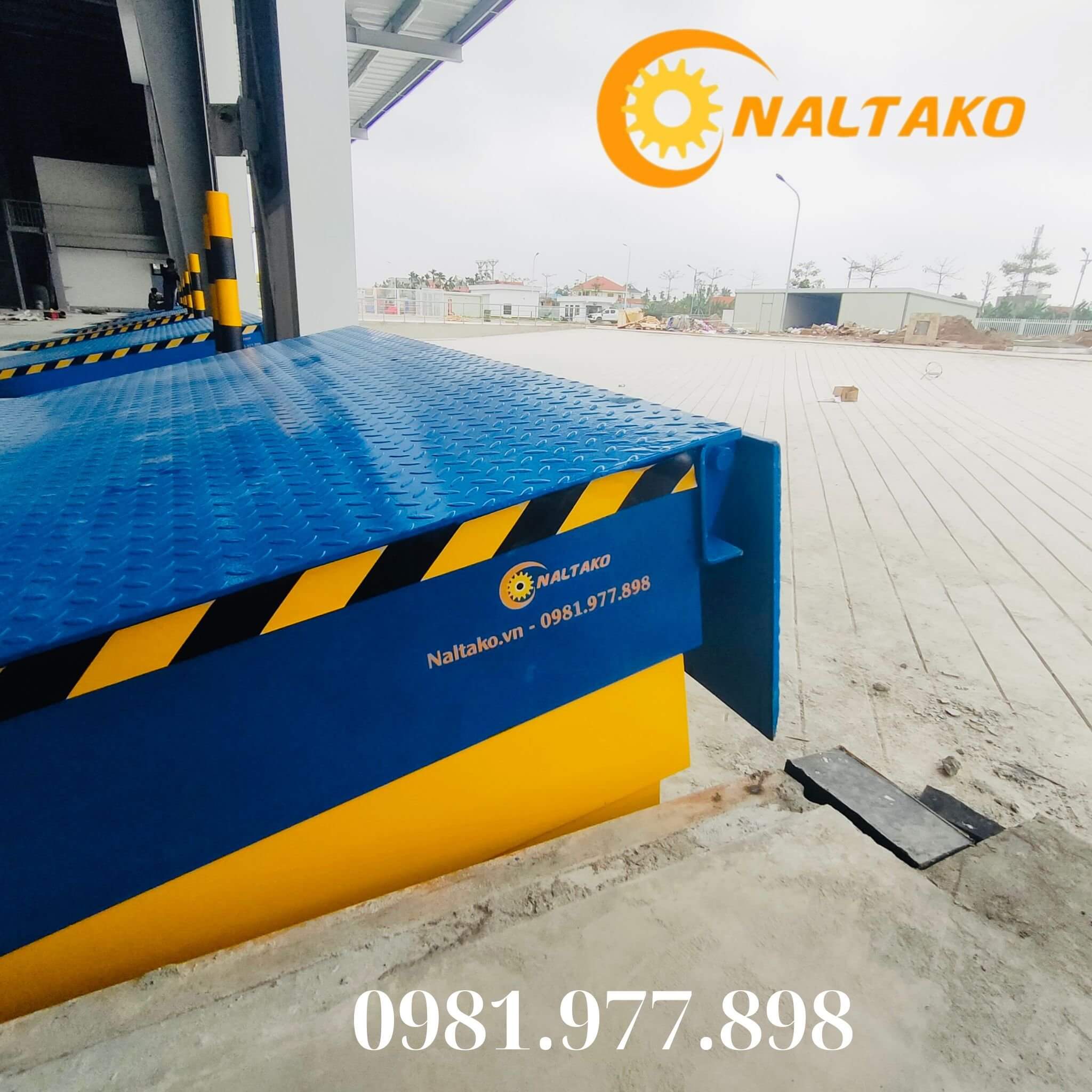
In Warehouses and Logistics
Distribution Centers
-
Connects warehouse to truck parking bays
-
Optimizes the loading and unloading process
-
Reduces loading time by 30-50%
-
Improves labor safety
Cold Storage Warehouses
-
Maintains temperature during loading/unloading
-
Reduces energy loss
-
Ensures quality of frozen goods
At Seaports and Airports
Container Ports
-
Loading/unloading goods onto container ships
-
Connecting with port cranes
-
Handling super-heavy goods
Airport Cargo
-
Loading/unloading goods onto aircraft
-
Handling special cargo
-
Ensuring flight schedules
In Industrial Manufacturing
Automotive Factories
-
Transporting components between floors
-
Lifting production equipment
-
Optimizing assembly lines
Food Processing Plants
-
Handling raw materials
-
Transporting packaged products
-
Ensuring food hygiene and safety
Superior Benefits of Hydraulic Dock Levelers
Enhancing Operational Efficiency
Reducing Loading/Unloading Time
-
Shortens loading time by 40-60%
-
Eliminates manual adjustment steps
-
Increases the number of trips handled per day
Optimizing Workforce
-
Reduces the number of workers needed
-
Lowers labor intensity
-
Increases labor productivity
Ensuring Absolute Safety
Safety for Workers
-
Reduces accidents due to falls or collisions
-
Eliminates manual lifting
-
Safer working environment
Protecting Goods
-
Reduces damage caused by vibration
-
Stability during transport
-
Reduces rate of damaged goods
Saving Operating Costs
Reducing Labor Costs
-
Fewer manual laborers
-
Reduces training costs
-
Increases workforce efficiency
Energy Savings
-
High-efficiency hydraulic system
-
Energy-saving standby mode
-
Long equipment lifespan
How to Choose the Right Hydraulic Dock Leveler
Assessing Actual Usage Needs
Load Analysis
-
Average weight of goods
-
Maximum potential load
-
20-30% buffer compared to actual load
Assessing Frequency of Use
-
Number of lifts per day
-
Continuous working time
-
Required duty cycle
Considering Installation Conditions
Technical Space
-
Required pit dimensions
-
Safety clearance around the unit
-
Minimum ceiling height
Technical Infrastructure
-
Available 380V power supply
-
Drainage system
-
Foundation with sufficient load-bearing capacity
Supplier Selection Criteria
Product Quality
-
International standard certification
-
Reputable brand in the market
-
Full technical documentation
Support Services
-
Free survey and design
-
Professional installation
-
Long-term warranty and maintenance
To choose a product suitable for the above criteria, please refer to the article: Which hydraulic dock leveler is good?
Safe Operation Guide
Pre-use Inspection Process
External Inspection
-
Check deck surface for deformation or cracks
-
Check if lip operates smoothly
-
Ensure no obstacles around
Hydraulic System Inspection
-
Hydraulic oil level in the tank
-
Check pipelines for oil leaks
-
System pressure within allowable limits
Watch video of hydraulic dock leveler operation process:
Basic Operating Principles
During Lifting/Lowering
-
Do not exceed the allowable load limit
-
Lift and lower slowly, avoid sudden jerks
-
Observe continuously during operation
When Forklift Moves on the Deck
-
Ensure the lip is fully engaged with the truck bed
-
Move at a slow, steady speed
-
Do not brake suddenly or turn quickly
Emergency Situations Handling
In Case of Technical Malfunction
-
Press the emergency stop button immediately
-
Do not continue use if there are abnormalities
-
Report to the technical department
In Case of Accident
-
Administer first aid to victims (if any)
-
Isolate the dangerous area
-
Report to superiors and authorities
>>> Reference: How to use hydraulic dock levelers safely
Periodic Maintenance and Servicing
Daily Maintenance
Equipment Cleaning
-
Wipe off leaking hydraulic oil
-
Clean dust and dirt from the deck surface
-
Check bolts and screws
Operational Check
-
Test lifting/lowering without load
-
Check lip operation
-
Listen for abnormal sounds
Periodic Maintenance
Monthly
-
Check hydraulic oil level
-
Lubricate joints
-
Check system pressure
Quarterly
-
Change hydraulic oil (if necessary)
-
Check cylinder seals
-
Calibrate safety sensors
Annually
-
Check the entire system
-
Replace worn components
-
Check accuracy
Signs That Maintenance Is Needed
Hydraulic System
-
Abnormally slow lifting/lowering speed
-
Strange noise from the hydraulic pump
-
Excessive oil leakage
Mechanical System
-
Deck surface sagging or bent
-
Lip does not engage correctly
-
Vibration during operation
Price and Investment Costs
Factors Affecting Price
Technical Specifications
-
Lifting capacity: Higher capacity means higher cost
-
Deck dimensions: Significant impact on price
-
Lift stroke: Cost increases with stroke length
Additional Features
-
Automatic control system
-
High-end safety sensors
-
Energy-saving mode
Estimated Investment Cost
Dock Leveler 6-8 Tons
-
Equipment price: 150-250 million VND
-
Installation cost: 20-30 million VND
-
Total investment: 170-280 million VND
Dock Leveler 10-12 Tons
-
Equipment price: 250-400 million VND
-
Installation cost: 30-50 million VND
-
Total investment: 280-450 million VND
Note: Prices may vary depending on the supplier and specific requirements
Investment Efficiency Calculation
Operating Cost Savings
-
Reduces loading/unloading time by 30-50%
-
Saves 20-30% on labor costs
-
Reduces goods damage by 60-80%
Payback Period
-
Medium enterprises: 2-3 years
-
Large enterprises: 1-2 years
-
Efficiency increases with usage scale
Naltako is a unit directly designing, manufacturing, and importing high-quality hydraulic dock levelers. We are committed to providing products that meet international standards, ensuring optimal safety and efficiency for every project. Aiming for global export, Naltako is striving to achieve American ANSI standards, ensuring that our products not only meet strict quality requirements but also comply with international safety and performance regulations.
Be the first to review “Hydraulic Dock Leveler”
You must be logged in to post a review.





Reviews
There are no reviews yet.