

 Tiếng Việt
Safe Working Load in Industrial Lifting and Cargo Handling
In the modern industrial and logistics environment, lifting and cargo handling activities take place continuously with large volumes and high frequencies. Packages pose potential risks if processes are not followed correctly, especially regarding safe load compliance. This article delves into the importance of safe working loads in lifting and handling equipment to ensure a safe working environment, optimize productivity, and minimize unnecessary risks.
What is Safe Working Load in lifting?
Safe Working Load (SWL) is the maximum mass that a lifting device (such as cranes, forklifts, hydraulic lift tables, chains, cables…) can safely lift, move, or hold under specific conditions. It is not the maximum load the equipment can withstand before breaking, but the safe working limit confirmed by the manufacturer or inspection agency.
Common safe working load levels in the industrial lifting industry
Each type of hydraulic lifting equipment has unique design characteristics and usage purposes, leading to different levels:
Hydraulic Lift Tables
Hydraulic lift tables are versatile devices used to lift and lower goods and materials between heights.
- Common load level: From 150 kg (small lift tables) to 5 tons (industrial lift tables).
- Special cases: For Truck Tipplers used to tilt trucks/containers, the SWL can reach over 100 tons.
Hydraulic Freight Lifts
Specialized for transporting goods between floors in warehouses and factories.
- Common load level: Usually from 500 kg to 5 tons. Larger types can reach 10 tons or more.
- Note: Freight lifts are only used for transporting goods, not people.
Hydraulic Man Lifts
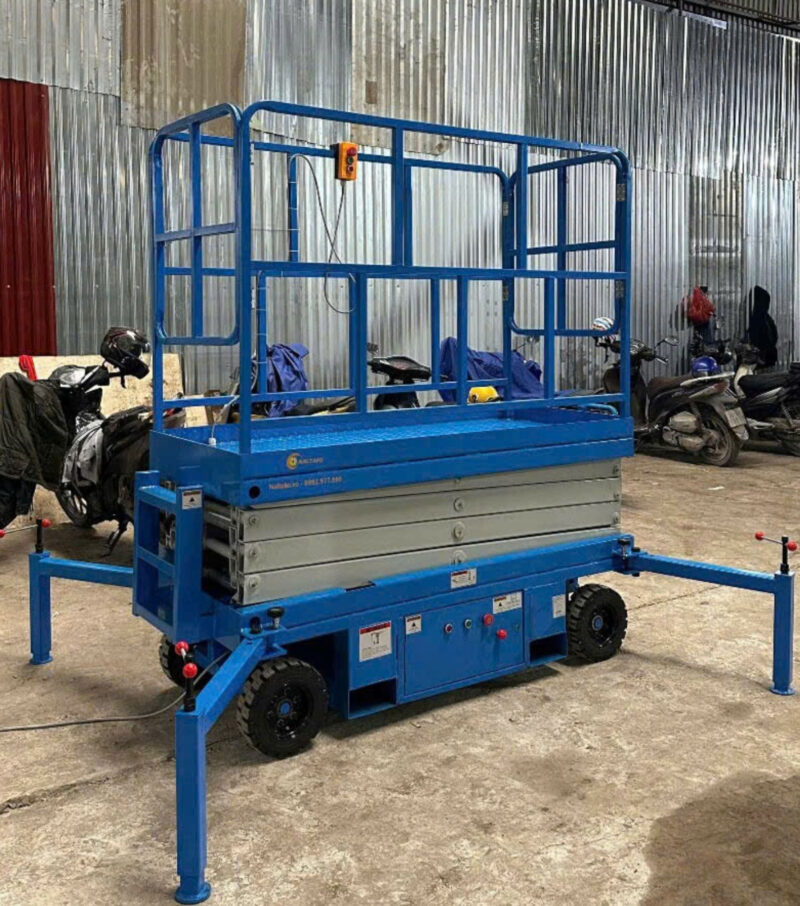
This equipment is specialized for safely lifting people to heights for work.
- Common load level: Lower, usually from 125 kg to 500 kg, depending on the number of people and tools allowed on the platform.
- Safety is the #1 priority with this equipment, always featuring sensor systems and safety locks.
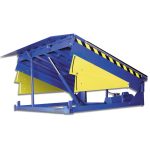
Hydraulic Dock Levelers
Installed at warehouse doors, helping forklifts move easily between the warehouse floor and trucks/containers.
- Common load level: From 6 tons to 15 tons. Some types can reach 20 tons or more.
- Note: This SWL accounts for the weight of the forklift and the goods passing through.
Forklifts
Flexible equipment for moving and lifting palletized goods.
- Common load level: From 1 ton to 10 tons. Specialized forklifts can lift tens of tons.
Cranes
Cranes are used to lift and move heavy objects vertically and horizontally.
- Common load level: Very diverse, from a few hundred kg (mini cranes) to tens or hundreds of tons (tower cranes, large gantry cranes).
Why must safe lifting loads be ensured in industry?
Ensuring safe working loads when lifting goods is extremely important for the following key reasons:
Human Safety
Ensuring safety helps prevent catastrophic accidents such as equipment collapse, cable breakage, or falling goods causing injury or death to workers.
Equipment and Asset Protection
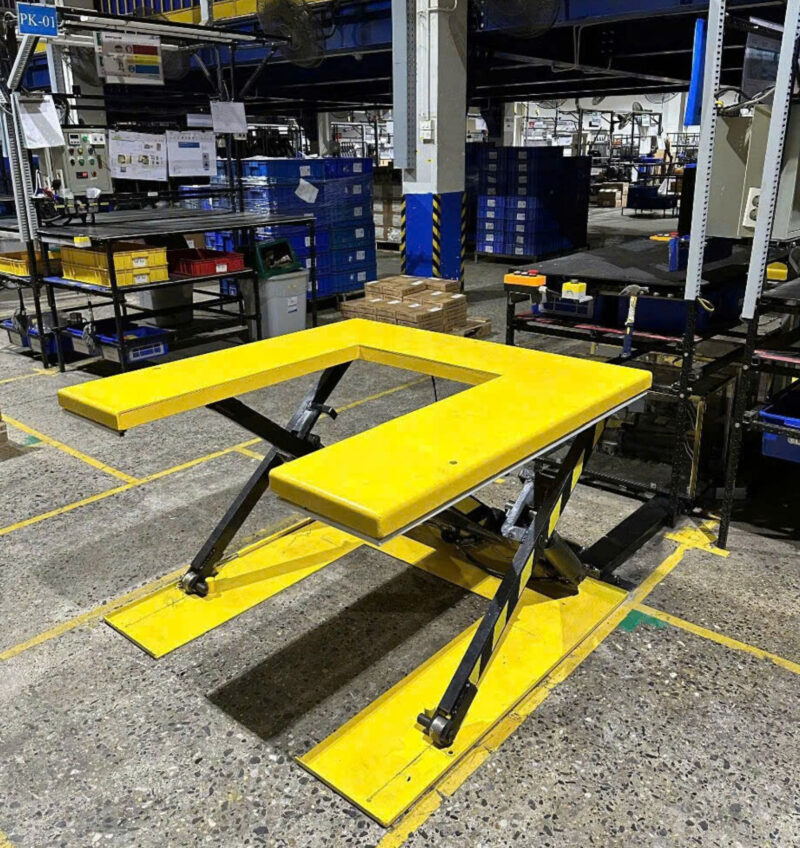
Overloading damages machinery hooks, deforms structures, reduces lifespan, and damages goods. Ensuring safe working loads helps extend machine life and save on repair costs.
Maintaining Work Performance
Machines operating within safe limits will be stable, efficient, encounter fewer issues, and avoid production interruptions.
Legal Compliance
This is a mandatory requirement in occupational safety regulations, helping businesses avoid penalties and maintain their reputation.
In summary, ensuring safety in cargo lifting is not just a rule but the foundation of safety and sustainable efficiency in all industrial lifting operations.
>>> Safety standards for hydraulic lift tables and related regulations
Conclusion
In the industrial environment, ensuring safety in cargo lifting determines the success of the business. Lifting safety is not a cost but a strategic investment yielding long-term benefits. Let’s turn safety into a corporate culture to create better values together.
Nội dung có liên quan:
-
 What is a Mechanical Dock Leveler? How does it differ from a Hydraulic Dock Leveler?
Are you looking for a device to support loading and unloading goods from containers to the warehouse floor that is low-cost, highly durable, and easy to in...
What is a Mechanical Dock Leveler? How does it differ from a Hydraulic Dock Leveler?
Are you looking for a device to support loading and unloading goods from containers to the warehouse floor that is low-cost, highly durable, and easy to in...
-
 Popular Types of Hydraulic Freight Elevators Today
The role of hydraulic freight elevators in warehouses, production workshops, or construction sites is indisputable. However, the types of hydraulic freight...
Popular Types of Hydraulic Freight Elevators Today
The role of hydraulic freight elevators in warehouses, production workshops, or construction sites is indisputable. However, the types of hydraulic freight...
-
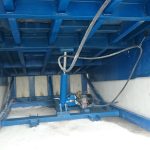 The Differences Between Mechanical Dock Levelers and Hydraulic Dock Levelers
The difference between hydraulic dock levelers and mechanical dock levelers is very clear – Hydraulic dock levelers operate automatically with a push of a ...
The Differences Between Mechanical Dock Levelers and Hydraulic Dock Levelers
The difference between hydraulic dock levelers and mechanical dock levelers is very clear – Hydraulic dock levelers operate automatically with a push of a ...
-
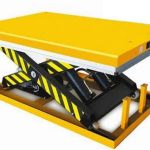 What Should You Consider When Buying a 700kg Hydraulic Lift Table?
The 700kg hydraulic lift table is a popular tool widely used in production workshops and warehouses. With a lifting capacity of 700kg, this hydraulic lift ...
What Should You Consider When Buying a 700kg Hydraulic Lift Table?
The 700kg hydraulic lift table is a popular tool widely used in production workshops and warehouses. With a lifting capacity of 700kg, this hydraulic lift ...
-
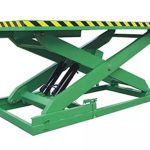 When Should You Use a 1000kg Hydraulic Lift Table?
Are you running a business in a warehouse or workshop that isn't too large and feeling that work efficiency hasn't reached your expectations? Are you looki...
When Should You Use a 1000kg Hydraulic Lift Table?
Are you running a business in a warehouse or workshop that isn't too large and feeling that work efficiency hasn't reached your expectations? Are you looki...
-
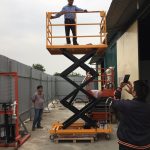 Advantages of 500kg Manual Lift Tables You Should Know
Are you looking to buy a medium-duty manual hydraulic lift table for home use? Is your work frequency intermittent, and are you looking for a product with ...
Advantages of 500kg Manual Lift Tables You Should Know
Are you looking to buy a medium-duty manual hydraulic lift table for home use? Is your work frequency intermittent, and are you looking for a product with ...
-
 A Guide to Choosing High-Quality Hydraulic Dock Levelers Today
Hydraulic Dock Levelers are among the essential support devices for many fields and industries. Thanks to this product, the transport and storage of goods ...
A Guide to Choosing High-Quality Hydraulic Dock Levelers Today
Hydraulic Dock Levelers are among the essential support devices for many fields and industries. Thanks to this product, the transport and storage of goods ...
-
 The Most Popular Industrial Dock Leveler Models in 2026
In the context of an ever-growing industrial sector, optimizing logistics processes has become more important than ever. One of the indispensable devices f...
The Most Popular Industrial Dock Leveler Models in 2026
In the context of an ever-growing industrial sector, optimizing logistics processes has become more important than ever. One of the indispensable devices f...