

 Tiếng Việt
Leading Causes of Forklift Accidents and How to Prevent Them
According to statistics from the Department of Occupational Safety, Vietnam records hundreds of forklift-related accidents every year, causing heavy damage to people and property. Among them, many tragic cases have claimed the lives of workers.
This situation sounds an alarm about occupational safety in the field of forklift usage, requiring attention and drastic action from relevant parties. So, what are the causes of these unfortunate accidents and how can we prevent them effectively?
Causes of Forklift Accidents
Subjective Causes
Lack of experience and operating skills
Workers who have not been properly trained or have not mastered forklift operating techniques are one of the leading causes of accidents.
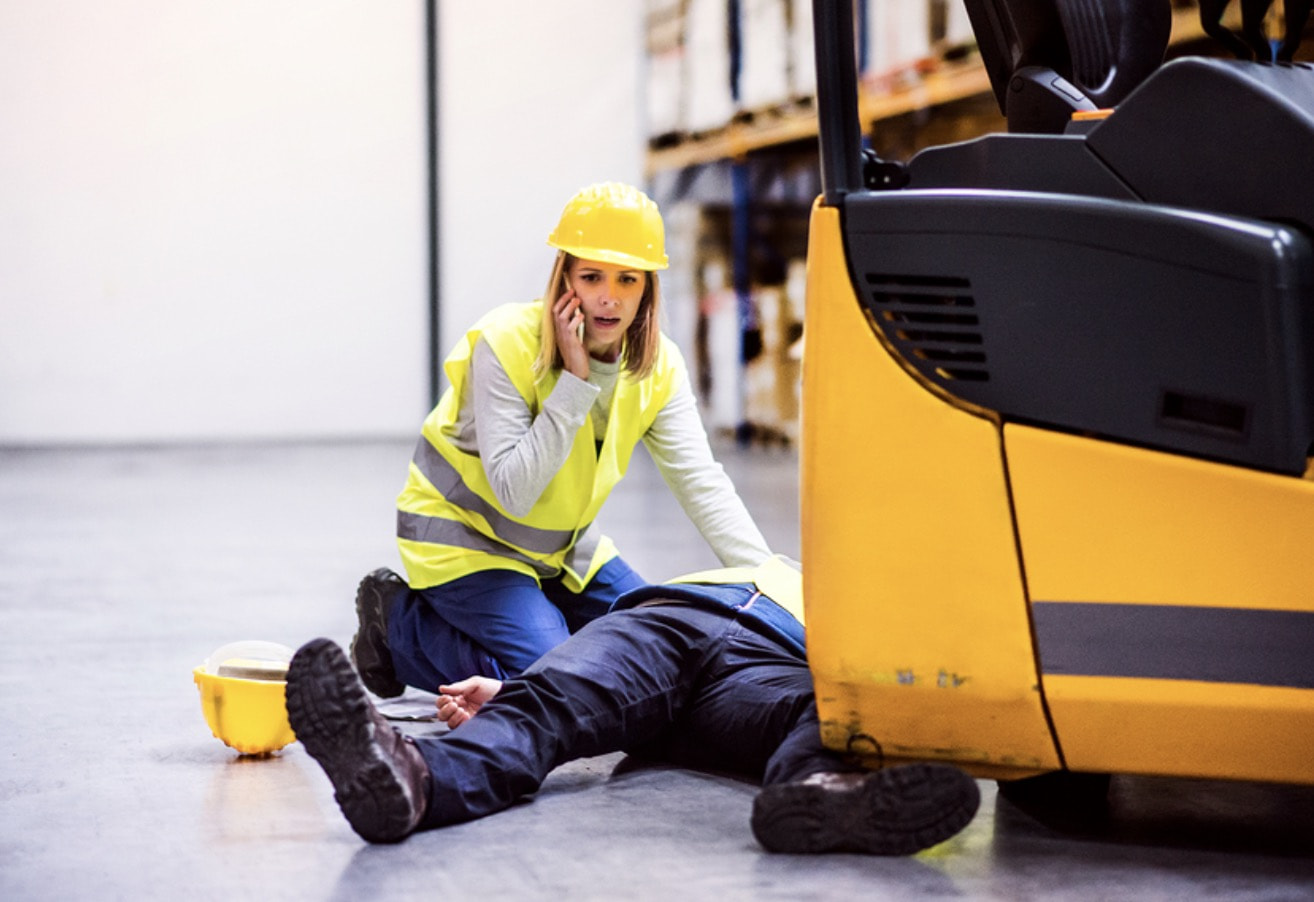
Non-compliance with safety regulations
Not wearing protective helmets, not wearing seat belts, speeding, overloading… all carry a high risk of accidents.
Use of stimulants, lack of concentration
Using alcohol, drugs, or working in a state of fatigue or distraction prevents the operator from controlling the forklift, easily leading to accidents.
Objective Causes
Lack of supporting equipment
The process of loading and unloading goods by forklifts lacks the necessary supporting equipment, leading to the risk of occupational insecurity, especially with heavy and bulky goods.
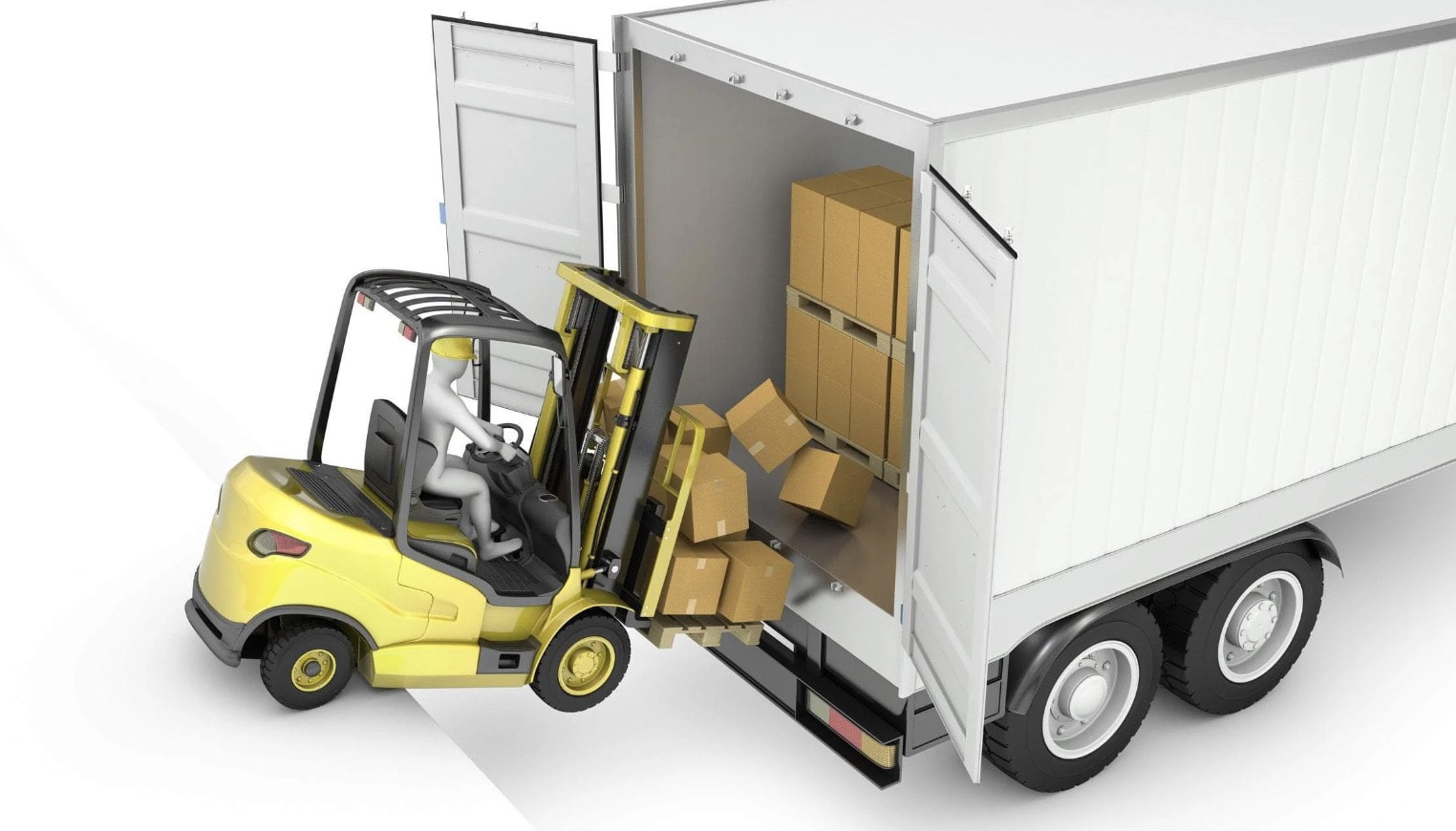
Damaged forklifts, lack of periodic maintenance
Forklifts that are not regularly maintained, or have worn and damaged parts that are not replaced in time, will reduce the safe operating capacity of the vehicle.
Unsafe working environment
Cramped warehouses, rough paths, lack of light, no warning signs… are objective factors that pose a risk of accidents.
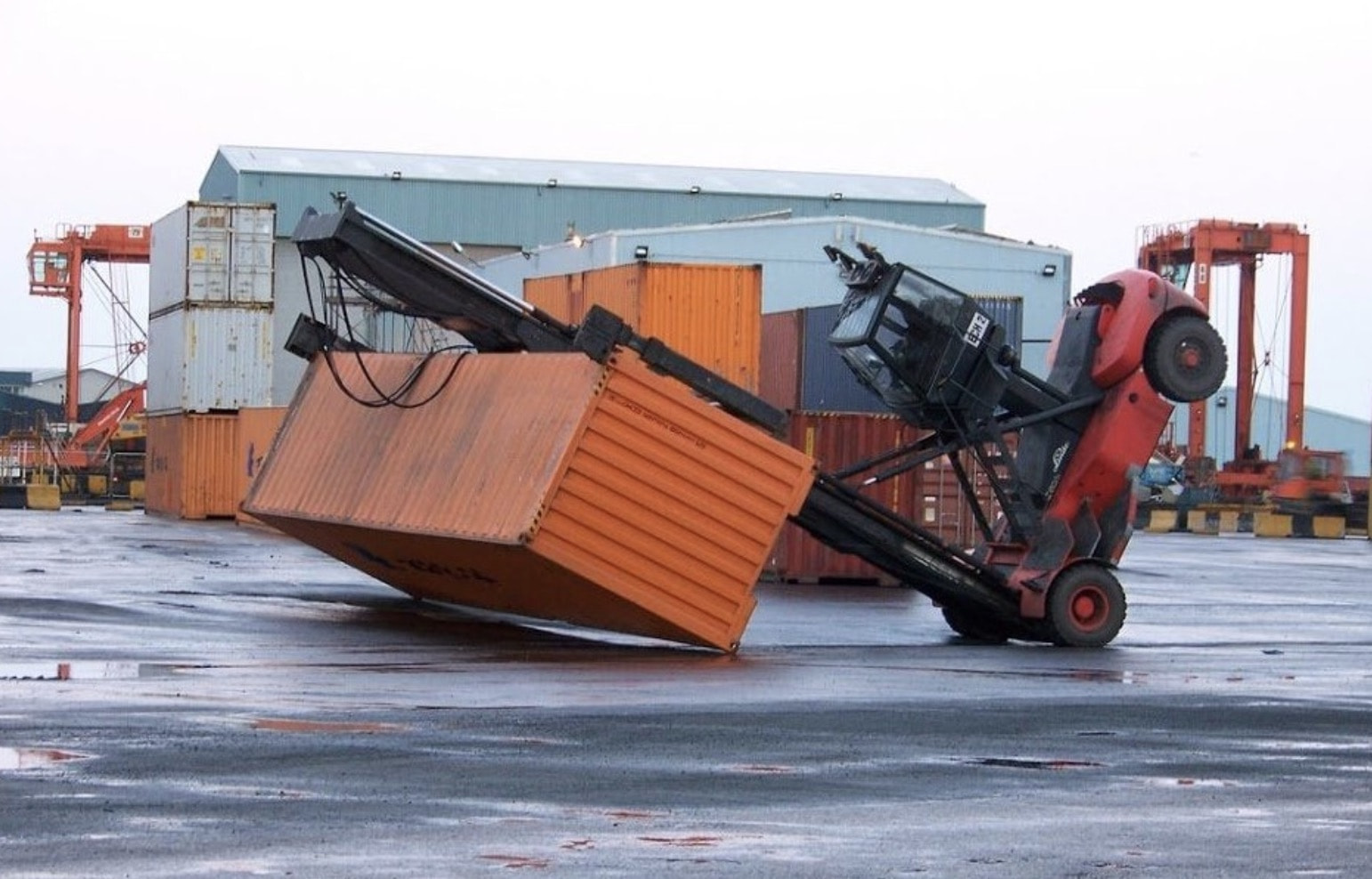
Overloading the permitted capacity
Lifting goods beyond the permitted load makes the forklift lose balance and easily tip over.
Consequences of Forklift Accidents
Human damage:
- In serious cases, forklift accidents can lead to death for the operator or those working nearby.
- Injuries such as broken bones, traumatic brain injury, internal organ damage… are common in forklift accidents.
Property damage:
- Damaged forklifts and collapsed goods cause economic losses for businesses.
- Forklift accidents disrupt work, affecting the progress of production and business.
Measures to Prevent Forklift Accidents
For Workers
- Be properly trained and have a forklift operation certificate.
- Workers need to be trained in theory and practice of forklift operation; only those with a certificate are allowed to operate.
- Strictly comply with occupational safety regulations.
- Always wear a protective helmet, fasten seat belt, check the forklift before operation, do not operate the forklift when using stimulants…
- Inspect the forklift before operation.
- Check components such as brakes, lights, horn, wheels… to ensure the vehicle is in good working order.
For Managers
- Organize regular training: Organize safety and forklift operation training courses for workers.
- Perform periodic inspection and maintenance: Carry out periodic checks and maintenance of forklifts to detect and promptly fix damage.
- Build a safe working environment: Ensure clear warehouses, flat paths, sufficient light, and adequate warning signs.
For Authorities
- Strengthen inspection and supervision: Regularly inspect and supervise the compliance with occupational safety regulations at enterprises.
- Strictly handle violations: Impose strict penalties on cases violating safety regulations to deter and prevent accidents.
Solutions to Limit Forklift Accidents with Supporting Equipment
Forklift ramps and hydraulic dock levelers are two powerful supporting solutions that help businesses improve operational efficiency and, in particular, significantly reduce the risk of forklift accidents:
Forklift Ramps
Forklift ramps are devices that create a solid “bridge,” helping forklifts move easily up and down areas of different heights, such as container trucks, warehouse floors…
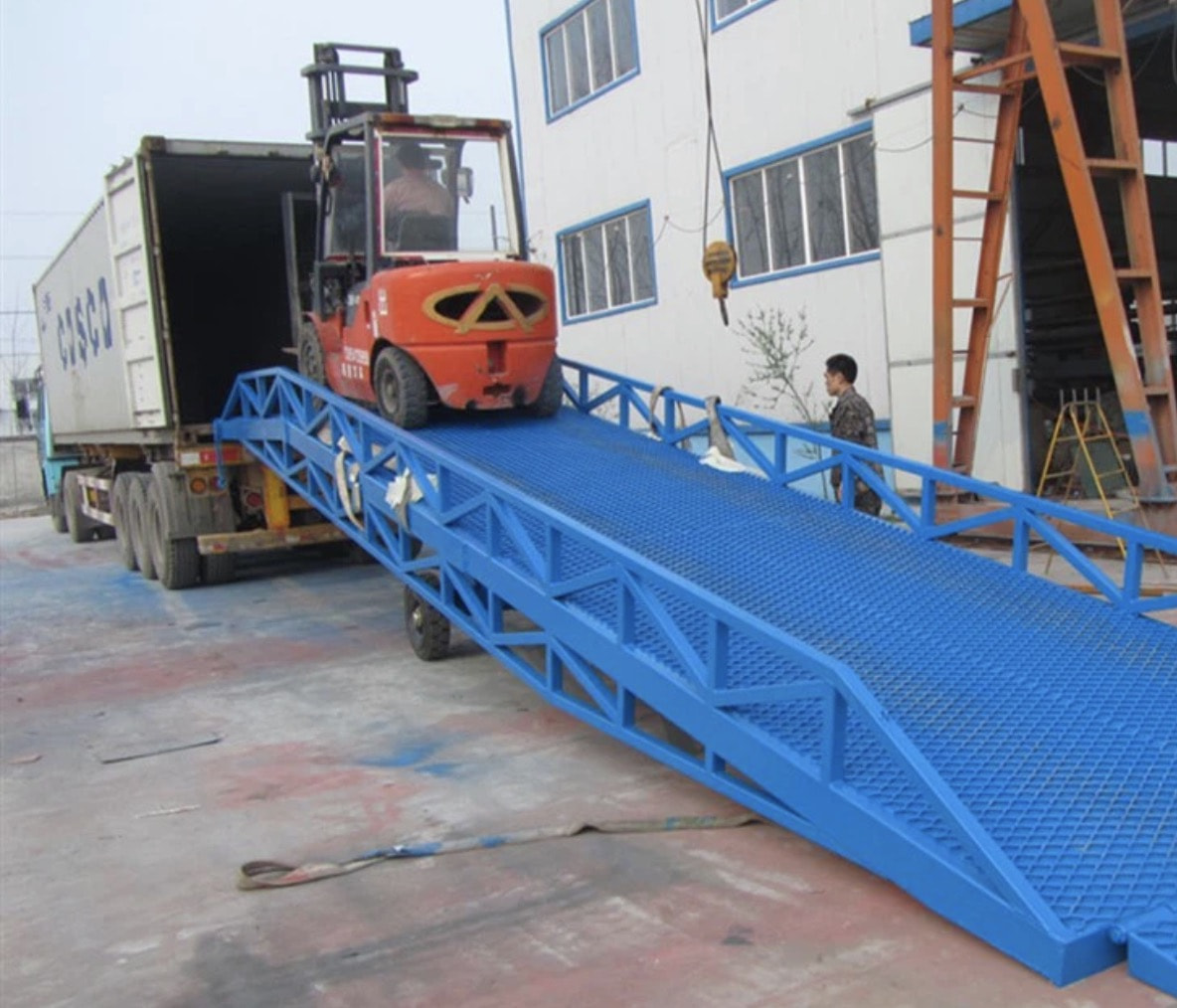
Forklift ramps help eliminate the risk of tipping over when moving up and down uneven surfaces, ensuring safety for operators and goods.
Thanks to the ramp, the loading and unloading process takes place faster and more conveniently, saving time and effort.
Hydraulic Dock Levelers
Hydraulic dock levelers are devices that help adjust the height of the working floor, creating uniformity between the warehouse floor and the truck bed, allowing forklifts to easily move inside to load and unload goods.
Hydraulic dock levelers help eliminate the height gap between the warehouse floor and the truck bed, allowing forklifts to move safely without wheel slip.
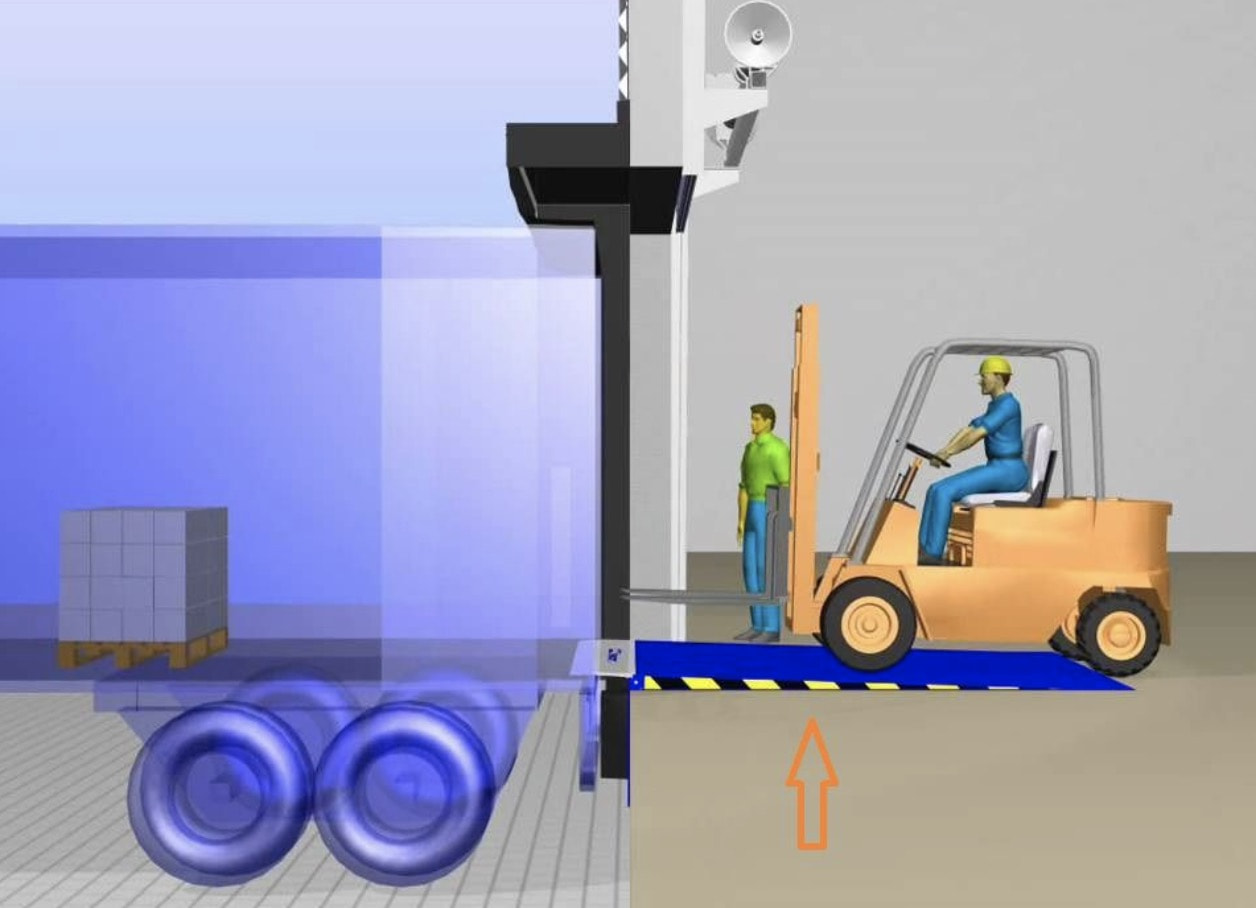
Dock levelers can adjust their height to suit many different types of vehicles and goods, increasing operational flexibility.
Hydraulic dock levelers help minimize the need for manual loading labor, thereby reducing accident risks caused by traditional operation methods.
See more:
Guide to choosing high-quality hydraulic dock levelers today
Conclusion
Forklift accidents are an alarming issue in the field of occupational safety. To prevent accidents, the cooperation of workers, managers, and authorities is required.
Nội dung có liên quan:
-
 What are Dock Leveler Seals? Popular types of warehouse dock shelters
Does the gap between the warehouse floor and the truck during the loading process affect the temperature inside the warehouse? Can factors like dust and in...
What are Dock Leveler Seals? Popular types of warehouse dock shelters
Does the gap between the warehouse floor and the truck during the loading process affect the temperature inside the warehouse? Can factors like dust and in...
-
 What is an Automatic Dock Leveler? Advantages & Classification
The process of loading and unloading goods between warehouses and trucks often faces many difficulties due to the height difference between the two floor s...
What is an Automatic Dock Leveler? Advantages & Classification
The process of loading and unloading goods between warehouses and trucks often faces many difficulties due to the height difference between the two floor s...
-
 Should You Buy a Used Container Loading Ramp? Tips & Reputable Sellers
Buying a used container loading ramp can be a significant cost-saving solution for businesses, especially small and medium-sized enterprises. However, this...
Should You Buy a Used Container Loading Ramp? Tips & Reputable Sellers
Buying a used container loading ramp can be a significant cost-saving solution for businesses, especially small and medium-sized enterprises. However, this...
-
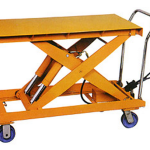 Understanding the Structure of a 300kg Hydraulic Lift Table
Do you want to better understand the operating principle and structure of a 300kg hydraulic lift table? This article will answer all your questions, helpin...
Understanding the Structure of a 300kg Hydraulic Lift Table
Do you want to better understand the operating principle and structure of a 300kg hydraulic lift table? This article will answer all your questions, helpin...
-
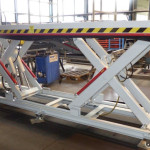 Where to Buy Used Hydraulic Lift Tables? Pricing Guide
Have you considered buying a used hydraulic lift table but don't know where to find a reputable supplier? Don't worry! This article will help you solve you...
Where to Buy Used Hydraulic Lift Tables? Pricing Guide
Have you considered buying a used hydraulic lift table but don't know where to find a reputable supplier? Don't worry! This article will help you solve you...
-
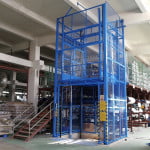 Operating Principle of Hydraulic Freight Elevators
Have you ever wondered how hydraulic freight elevators can lift heavy loads smoothly and safely? The secret lies in its operating principle. In this articl...
Operating Principle of Hydraulic Freight Elevators
Have you ever wondered how hydraulic freight elevators can lift heavy loads smoothly and safely? The secret lies in its operating principle. In this articl...
-
 Should You Choose a Hydraulic Freight Elevator or a Motor Hoist Elevator?
Choosing between a hydraulic freight elevator and a motor hoist elevator is not simple. Each type has its own advantages and disadvantages, suitable for di...
Should You Choose a Hydraulic Freight Elevator or a Motor Hoist Elevator?
Choosing between a hydraulic freight elevator and a motor hoist elevator is not simple. Each type has its own advantages and disadvantages, suitable for di...
-
 Standards and Procedures for Dock Leveler Inspection
The Importance of Dock Leveler Inspection
Periodic inspection of dock levelers plays a key role in ensuring occupational safety, optimizing operational pe...
Standards and Procedures for Dock Leveler Inspection
The Importance of Dock Leveler Inspection
Periodic inspection of dock levelers plays a key role in ensuring occupational safety, optimizing operational pe...