

 Tiếng Việt
What is a hydraulic cylinder? Classifications and applications
In modern industry, lifting, pushing, pulling, or pressing heavy objects requires powerful and highly stable equipment. Hydraulic cylinders were created to solve this problem.
With the ability to convert hydraulic energy into mechanical force, hydraulic cylinders are the “right hand” in factories, construction sites, and many other applications. The following article by Naltako will help you answer those questions, providing comprehensive information about this useful equipment.
What is a hydraulic cylinder?
A hydraulic cylinder (also known as a hydraulic cylinder, hydraulic ram, or hydraulic jack) is a device that operates based on Pascal’s principle, using a fluid (usually hydraulic oil) to transmit pressure and generate a pushing force.
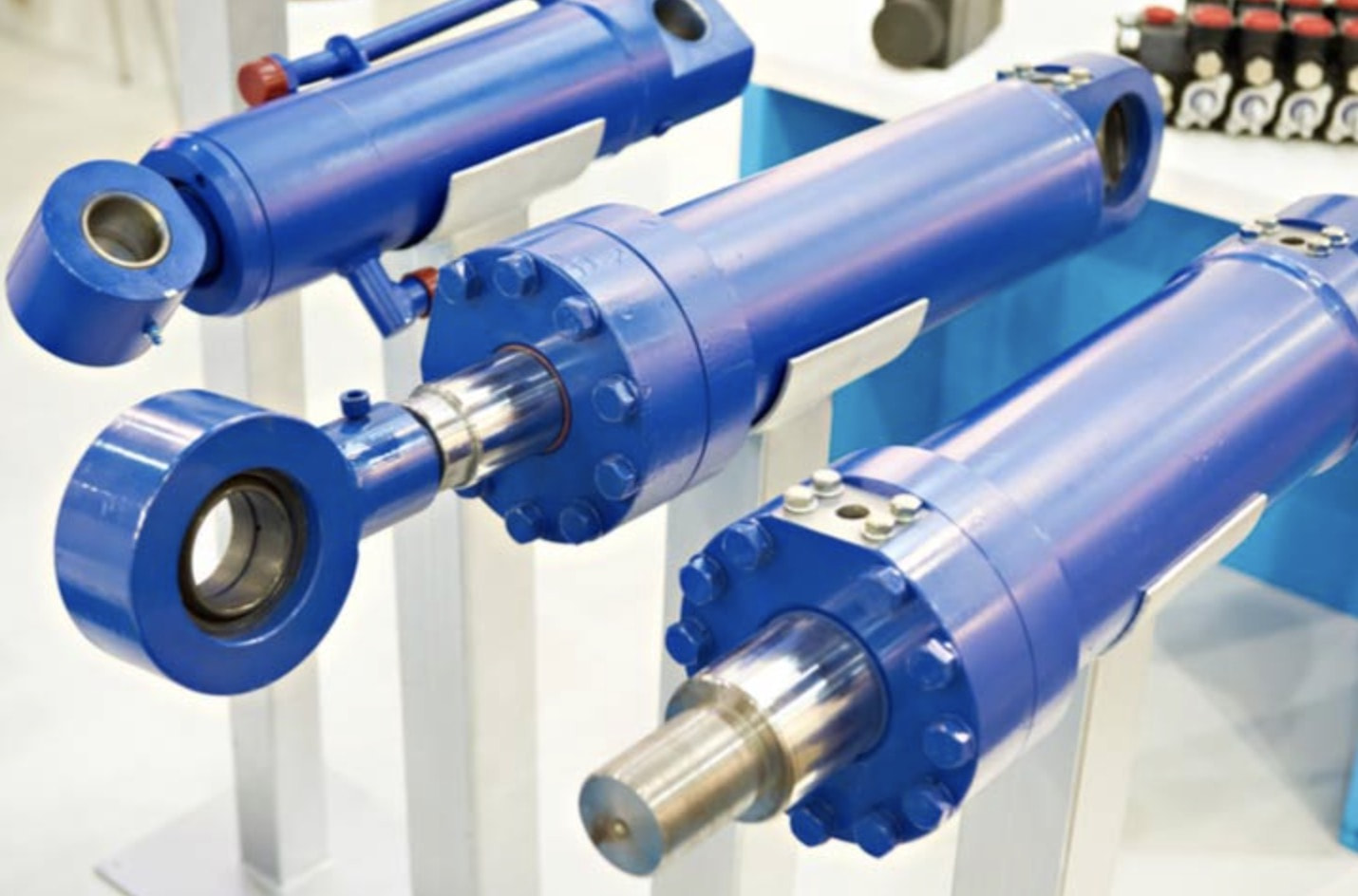
Structure of a hydraulic cylinder: The device includes main components such as the cylinder barrel, piston, piston rod, cylinder head, and seals.
Working principle of a hydraulic cylinder: When hydraulic oil is pushed into the cylinder chamber by a piston pump, the generated pressure acts on the piston, causing it to move and pull the piston rod along, creating a pushing or pulling force.
See details on the structure and working principle of hydraulic cylinders here:
Hydraulic Cylinder Structure, Specifications, and Operating Principles
Advantages of hydraulic cylinders
✅ Hydraulic cylinders possess many outstanding advantages compared to other mechanical solutions, including:
✅ The device can generate a pushing force of up to hundreds of tons, meeting the needs of high-load applications.
✅ The movement of a hydraulic cylinder can be precisely controlled in terms of speed, position, and thrust, ensuring flexibility and efficiency in operation.
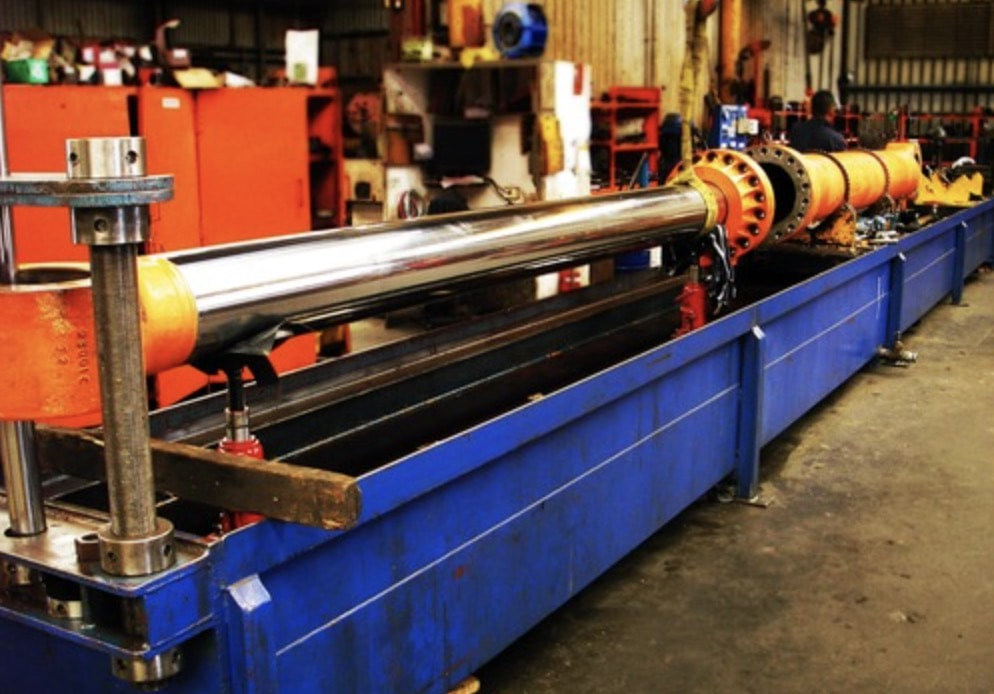
✅ The simple design of the hydraulic cylinder tube helps minimize the risk of damage and makes maintenance easy, while ensuring stable operation in harsh environments.
✅ Hydraulic jacks have high energy conversion efficiency, helping to save energy and reduce operating costs.
Common types of hydraulic cylinders
Hydraulic cylinders are diverse in types, serving many different applications. Below are some common classification methods:
Classification by direction of force
- Single-acting hydraulic cylinder: Only generates pushing force in one direction. When hydraulic oil is pumped in, the piston moves forward. For the piston to return to its original position, an external force is required (such as a spring, gravity, or another cylinder).
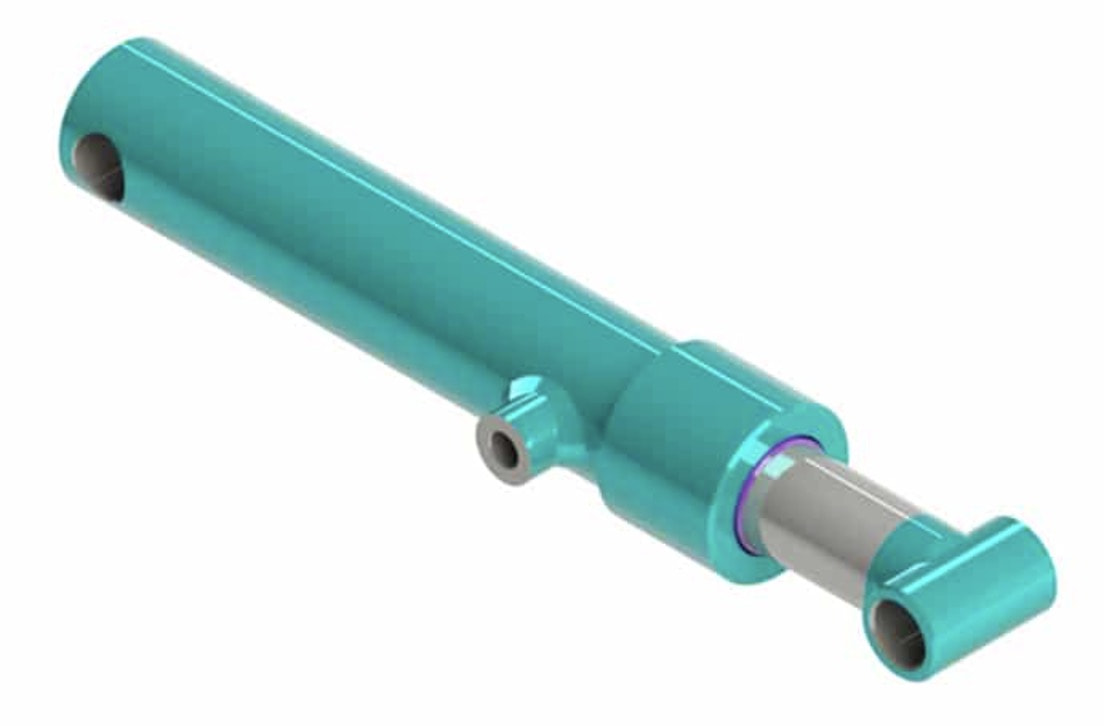
- Double-acting hydraulic cylinder: Generates pushing force in both directions. Hydraulic oil is pushed by the piston pump into either chamber of the cylinder to push the piston forward or backward. Reversing the movement is done through a directional control valve.
Classification by structural design
- Welded body hydraulic cylinder: Components are welded together, creating a solid structure that can withstand high pressure.
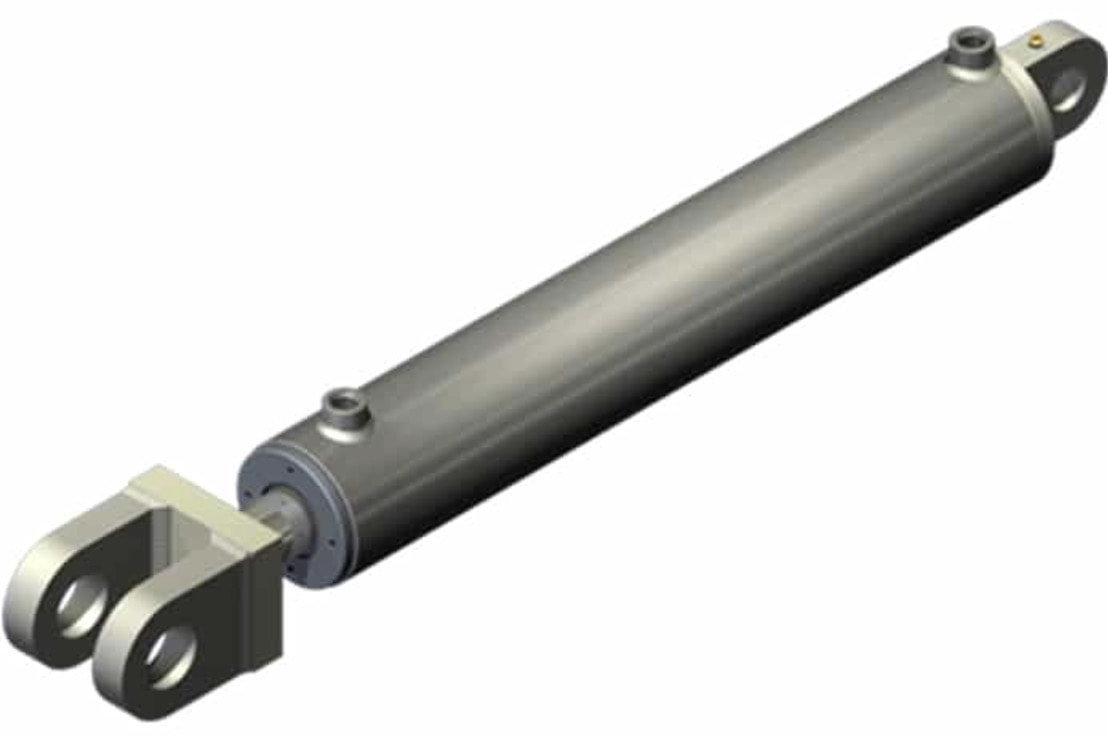
- Tie-rod hydraulic cylinder: Components are assembled using tie rods (gu-rông), making them easy to disassemble and maintain.
Classification by number of stages
- Single-stage hydraulic cylinder: Has one piston and one working stroke.
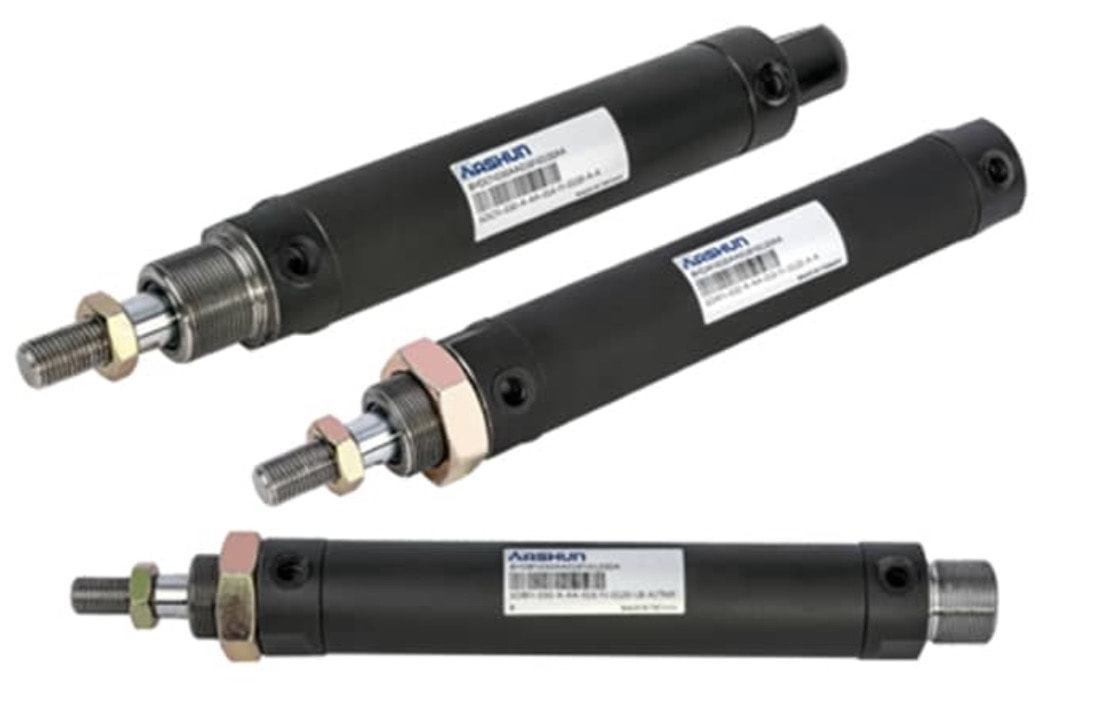
- Multi-stage hydraulic cylinder (telescopic): Features multiple pistons nested inside each other, creating a longer working stroke in a compact space.
Classification by application
- Standard hydraulic cylinder: The most common, used in various applications.
- Heavy-duty hydraulic cylinder: Specially designed to withstand large loads, commonly used in heavy industrial machinery.
- Cushioned hydraulic cylinder: Includes a cushioning part to reduce shock when the piston reaches the end of its stroke.
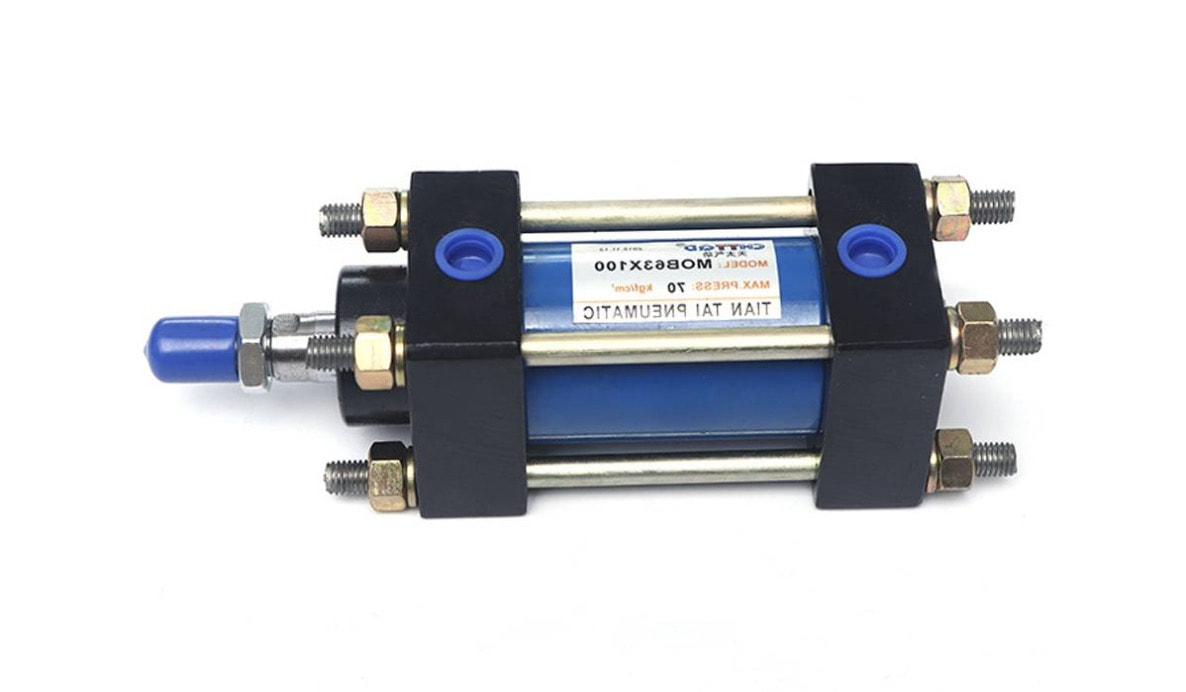
Classification by size
- Mini hydraulic cylinder: Compact size, typically used in small equipment or where installation space is limited.
- Large hydraulic cylinder: Large diameter and stroke, generating extremely powerful thrust, used in heavy industrial machinery.
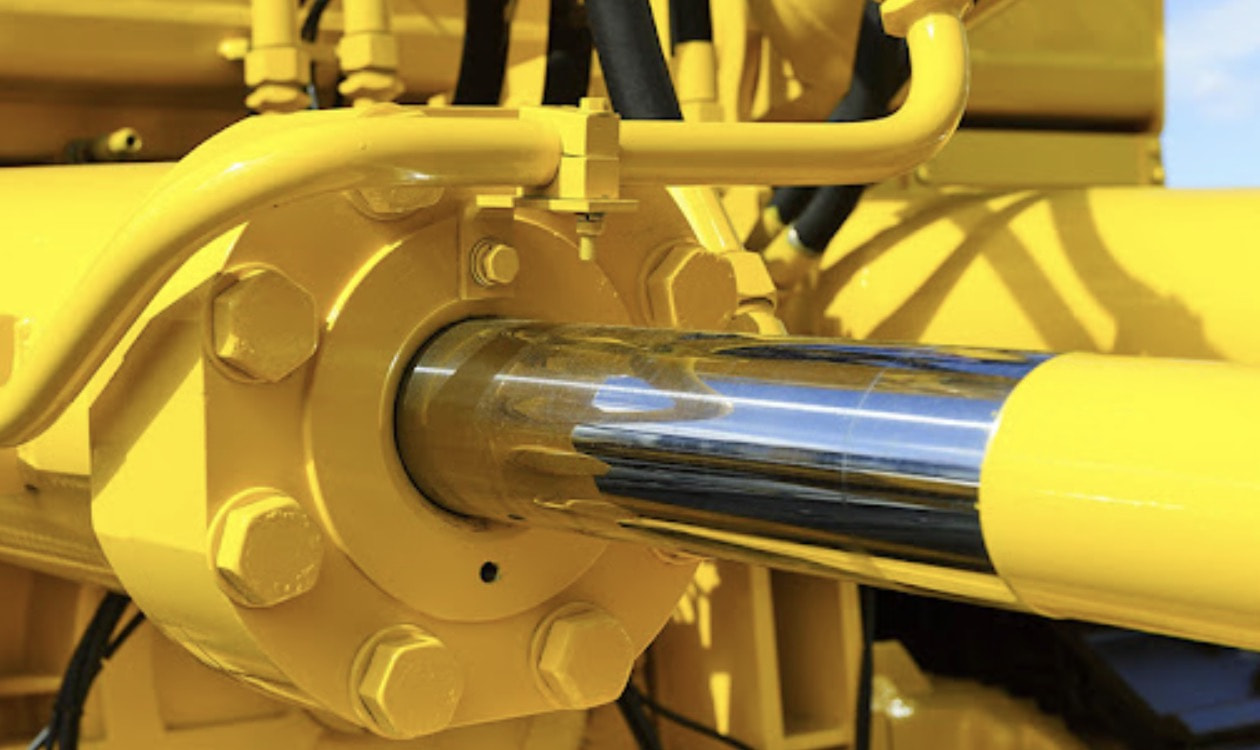
Depending on specific usage needs, you can choose the appropriate type of hydraulic cylinder to achieve the best efficiency.
Applications of Hydraulic Cylinders
A hydraulic cylinder is a versatile device, widely applied in many different fields thanks to its ability to generate powerful force and precise control:
In industry
Hydraulic cylinders are an indispensable component in lifting goods and moving materials in factories and warehouses, such as:
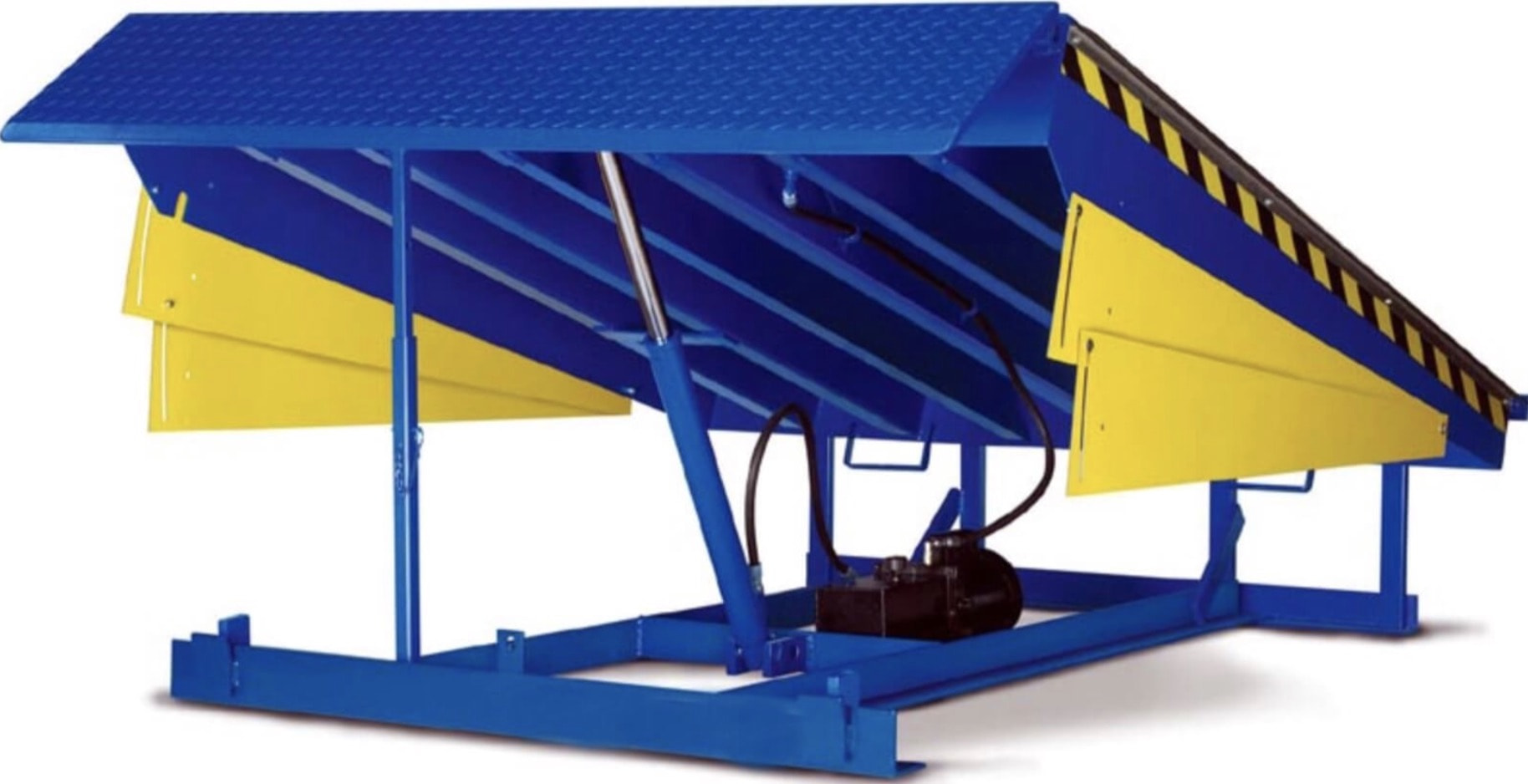
- Hydraulic lift tables
- Hydraulic dock levelers
- Scissor lifts
- Mini cranes
- Hydraulic hand pallet trucks
In addition, hydraulic rams are also used in various types of presses, punching machines, cutting machines, metal bending machines, packaging machines, printing presses…
In agriculture
- Tractors, plows, combine harvesters: Controlling parts like lifting arms, plowshares, and cutting systems.
- Livestock equipment: Operating automatic feeding systems and automatic milking systems.
In construction
- Bored pile drilling machines, pile driving machines: Creating large pressing force to drive piles into the ground.
- Tamping rammers, road rollers: Compacting soil, leveling the ground.
- Manlifts, hydraulic cargo lifts: Lifting people and materials in construction sites.
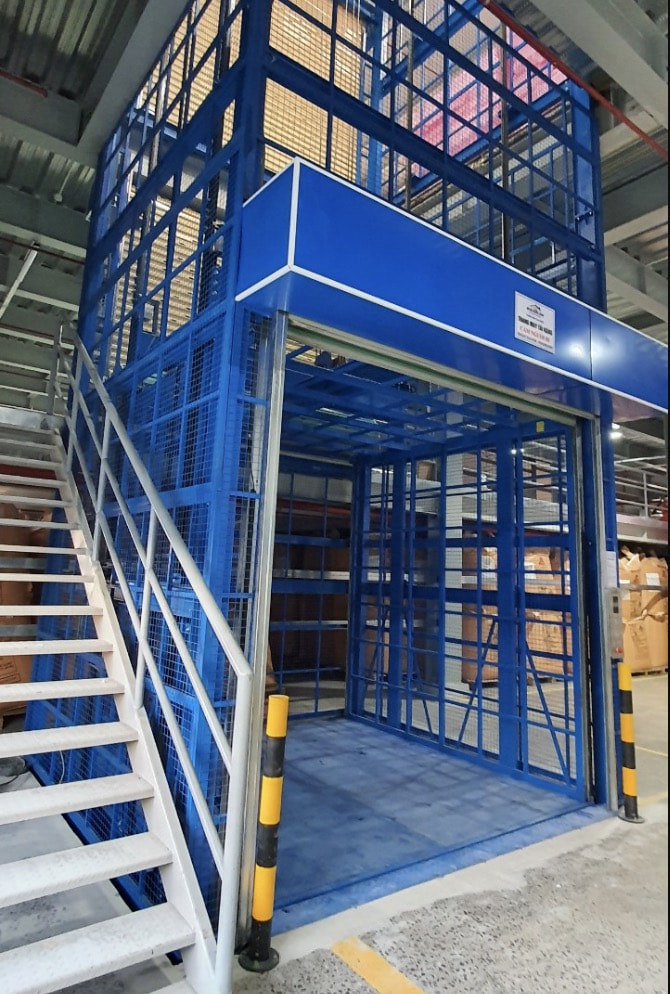
In transportation
- Braking systems: Creating braking force to reduce speed and stop the vehicle.
- Steering systems: Assisting the driver in controlling the moving direction of the vehicle.
- Shock absorber systems: Reducing shock, creating smoothness when vehicles move on uneven roads.
In other fields
- Repair: Hydraulic lift tables for repairing motorcycles and cars.
- Aviation: Controlling the flaps and elevators of airplanes.
- Maritime: Operating ship anchoring systems and ship hatches.
- Medical: Controlling dental chairs and hospital beds.
- Entertainment: Used in thrill rides and motion simulation.
Thanks to its versatility and efficiency, the hydraulic cylinder is not only an important component in industry but also contributes to comfort and safety in daily life.
How to choose the right hydraulic cylinder for your needs
To choose a hydraulic cylinder suitable for your usage needs, consider the following factors:
- Required thrust: Calculate the necessary pushing force to perform the work.
- Piston stroke: Determine the required travel distance of the piston rod.
- Speed: Determine the desired moving speed of the piston rod.
- Working pressure: Determine the hydraulic oil pressure the system can provide.
- Mounting style: Choose a mounting style suitable for the space and requirements of the application.
- Manufacturing material: Choose materials suitable for the working environment and durability requirements.
See more: Formula for calculating the thrust of a hydraulic cylinder
Maintenance and repair process for hydraulic cylinders
To ensure the performance and lifespan of hydraulic cylinders, periodic maintenance measures should be taken, such as:
- Inspect and replace seals periodically.
- Clean and lubricate the piston rod regularly.
- Check the hydraulic oil level and top up when necessary.
- Inspect and tighten bolts and screws.
Conclusion
Hydraulic cylinders are an indispensable linear mechanical solution in modern engineering. With outstanding advantages in thrust, precision, durability, and energy efficiency, hydraulic cylinders have made and are making important contributions to the development of many industries and the improvement of the quality of life.
Nội dung có liên quan:
-
 What is a Piston? Structure and Operating Principle
If you work in the repair and installation of industrial equipment, you have surely heard terms such as: steam engines, internal combustion engines, etc. A...
What is a Piston? Structure and Operating Principle
If you work in the repair and installation of industrial equipment, you have surely heard terms such as: steam engines, internal combustion engines, etc. A...
-
 Hydraulic Oil Radiators – Oil Coolers for Hydraulic Systems
What solution will support you in the process of cooling and cleaning hydraulic oil? That is using a hydraulic oil cooler immediately. However, each system...
Hydraulic Oil Radiators – Oil Coolers for Hydraulic Systems
What solution will support you in the process of cooling and cleaning hydraulic oil? That is using a hydraulic oil cooler immediately. However, each system...
-
 Compressed Air Filters: Construction, Working Principle, and Classification
Compressed air filters are a common and essential device, designed to effectively remove impurities and dirt that may exist in compressed air, helping you ...
Compressed Air Filters: Construction, Working Principle, and Classification
Compressed air filters are a common and essential device, designed to effectively remove impurities and dirt that may exist in compressed air, helping you ...
-
 Piston Pumps: Definition, Classification, Applications, and Pricing
If vane pumps or hydraulic gear pumps are selected for low-pressure systems, the hydraulic piston pump line is designed for high-pressure machinery requiri...
Piston Pumps: Definition, Classification, Applications, and Pricing
If vane pumps or hydraulic gear pumps are selected for low-pressure systems, the hydraulic piston pump line is designed for high-pressure machinery requiri...
-
 What is a Gear Hydraulic Pump? Structure and Classification
With a simple structure, convenient assembly and operation, and the ability to withstand heavy loads for a specific duration, gear hydraulic pumps are wide...
What is a Gear Hydraulic Pump? Structure and Classification
With a simple structure, convenient assembly and operation, and the ability to withstand heavy loads for a specific duration, gear hydraulic pumps are wide...
-
 Hydraulic Pumps
In today's industries, from high-rise buildings to manufacturing plants, hydraulic pumps play a crucial role. This component helps devices such as yard ram...
Hydraulic Pumps
In today's industries, from high-rise buildings to manufacturing plants, hydraulic pumps play a crucial role. This component helps devices such as yard ram...
-
 Hydraulic Seals: Classification, Installation & Replacement
Hydraulic seals are vital components in a hydraulic system, yet not everyone fully understands them. If you are looking for information on seal types, inst...
Hydraulic Seals: Classification, Installation & Replacement
Hydraulic seals are vital components in a hydraulic system, yet not everyone fully understands them. If you are looking for information on seal types, inst...
-
 Grating Flooring (Galvanized Steel Grating): Features, Applications, and Quotes
What is Grating Flooring?
Grating flooring (also known as galvanized steel grating or grating panels) is a type of floor formed from load-bearing steel ba...
Grating Flooring (Galvanized Steel Grating): Features, Applications, and Quotes
What is Grating Flooring?
Grating flooring (also known as galvanized steel grating or grating panels) is a type of floor formed from load-bearing steel ba...