

 Tiếng Việt
Dock Shelter and Dock Leveler: The Perfect Combination for Your Warehouse
Is your warehouse operating inefficiently, with high risks of cargo damage and low productivity? Don’t worry, the optimal solution is here! The combination of a dock shelter and a dock leveler will create a closed system, helping you save energy, increase productivity, and ensure absolute safety for all warehouse operations.
What is a Dock Shelter?
A dock shelter, also known as an inflatable dock seal or shelter, is a specialized piece of loading dock equipment installed at the warehouse loading doors. With its flexible elasticity, the device seals off the rear of the truck, preventing heat loss, maintaining a stable temperature inside the warehouse, and blocking dust, insects, moisture, and other harmful agents from entering the warehouse and the truck during the loading and unloading process.
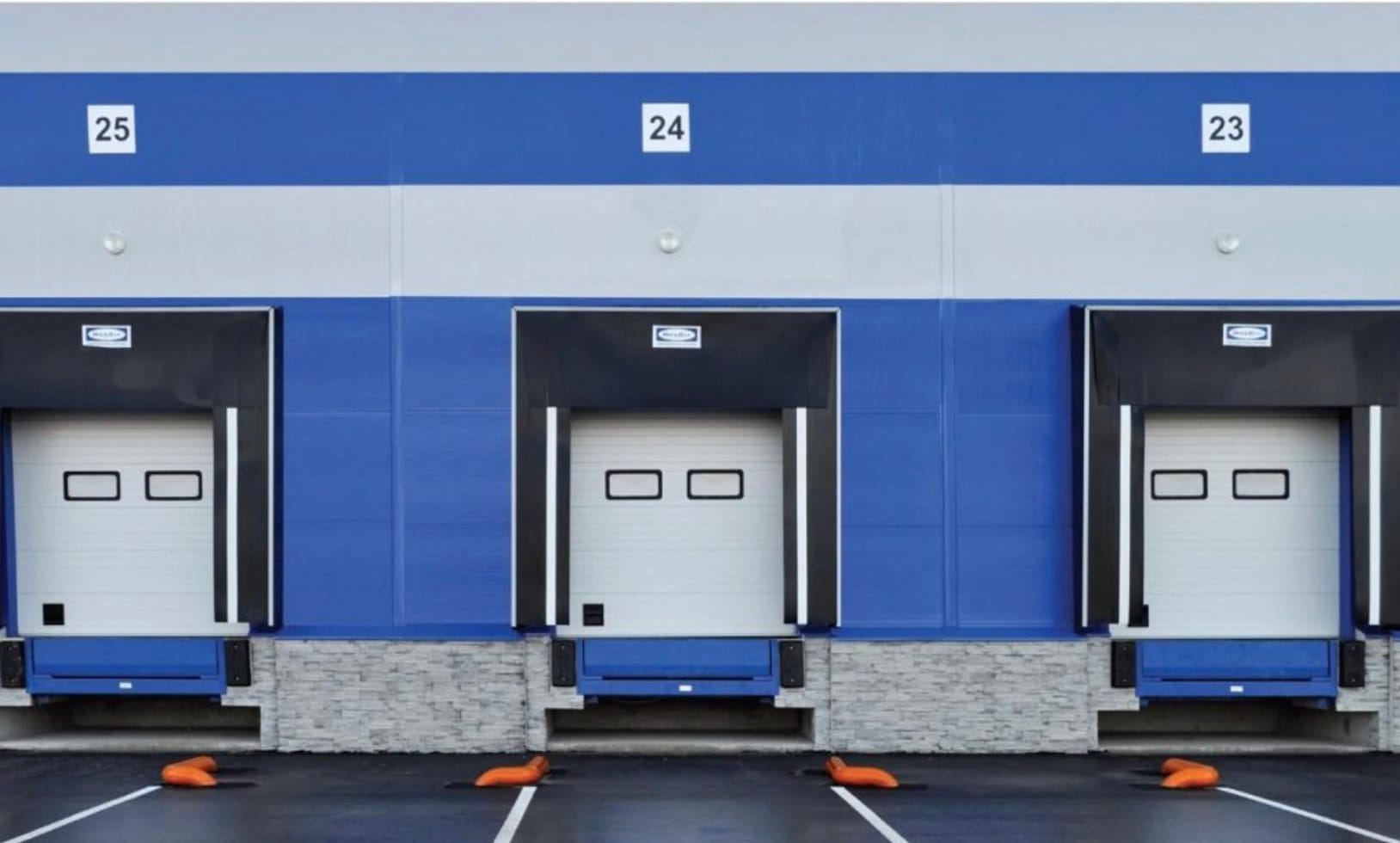
Reference:
Structure of a Dock Shelter
Covering part:
Made from PVC (Polyvinyl chloride) synthetic fabric or high-grade rubber, with a thickness ranging from 3mm to 5mm. This material is heat-resistant, waterproof, impact-resistant, and abrasion-resistant, ensuring durability and a long lifespan for the product.

Frame part:
Manufactured from imported galvanized box steel with a standard thickness of 2mm, enhancing load-bearing capacity and stability for the dock shelter during use. The steel frame is also equipped with galvanized anchor cables and positioning components, ensuring the dock shelter operates stably and safely in all weather conditions.
Dock Shelter Operating Principle
The product operates on a simple yet effective principle. When a truck or container reverses into the dock area, the dock shelter automatically adjusts to tightly wrap around the rear of the vehicle, creating a tight seal between the vehicle and the warehouse.
This prevents the intrusion of external factors such as dust, rain, wind, and insects, and maintains a stable internal temperature, which is especially critical for cold storage or warehouses containing temperature-sensitive goods.
Video simulating the operation process of a warehouse dock shelter
Specific Operation Process:
- Vehicle approach: The truck or container reverses into the dock area where the dock shelter is installed.
- Dock seal activation: When the vehicle contacts the dock shelter surface, mechanical latches (or sensors) activate the system to begin the wrapping process.
- The air bags or fabric panels deploy and hug the vehicle’s sides, creating a tight seal between the vehicle and the warehouse.
- The loading and unloading process takes place safely and efficiently within a closed, protected environment.
- After completing the process, the truck or container leaves the dock area, and the dock shelter automatically retracts to its original position, ready for the next use.
Popular Types of Dock Shelters
There are various types of dock shelters suited for different needs and dock door sizes. Here are some common types:
Survivor
- Advantages: Affordable price, high durability, easy to install and maintain.
- Features: Waterproof and termite-proof wooden frame, highly elastic curtains that automatically adjust for off-center trailers, and V-Flow™ roof design for effective rainwater drainage.
GapMaster
- Advantages: High durability, optimal coverage, absolute sealing capability.
- Features: Waterproof and termite-proof wooden frame, soft side curtains, HMWPE plastic frame for impact resistance, and C4 roof curtain for easy removal and replacement.
Eclipser
- Advantages: High durability, maximum tight coverage, comprehensive protection for both the vehicle and the dock leveler.
- Features: Waterproof and termite-proof wooden frame, impact-resistant HMWPE frame, roof stabilizer bar to keep curtains tight, lightweight side curtains for easy maintenance, and the Pit Master™ system to protect the dock leveler.
Each type of dock shelter has its own advantages and features, suitable for specific vehicles and warehouse doors. Choosing the right type will help optimize operational efficiency and save costs for the business.
Dock Shelter Technical Specifications (Reference):
Overall Dimensions:
- Width: 3400mm (adjustable upon request)
- Height: 3400mm (adjustable upon request)
Curtain Dimensions:
- Top curtain: 1000mm
- Side curtain: 600mm
Color: Black, Blue (optional)
Material:
- Curtain: PVC synthetic fiber or high-grade rubber
- Frame: Galvanized steel or stainless steel, 2mm thickness
Walls: Aluminum
Inclination: 45/60/90 degrees (optional based on dock design)
Standards: CE, HACCP, RoHS, GMP (ensuring quality and safety)
Note: These are reference specifications; specific dimensions and materials may vary depending on the manufacturer and customer requirements.
Applications
Warehouse dock shelters are widely applied in industries that require strict control of the warehouse environment, such as:
- Food and Beverage Industry: Helps maintain stable temperatures, prevents intrusion of dust, insects, and bacteria, ensuring food hygiene and safety.
- Pharmaceutical Industry: Protects products sensitive to temperature and humidity, prevents cross-contamination, and ensures drug quality and efficacy.
- Electronics Industry: Prevents dust and small particles from damaging sensitive electronic components, ensuring product quality.
- Cold Storage: Minimizes heat loss, saves energy, maintains stable internal temperatures, and preserves goods better.
- Other Industries: The equipment is also used in other industries such as paper manufacturing, chemicals, textiles, automotive… to protect goods and the working environment.
In addition, the device helps:
- Reduce loading and unloading time, increasing labor productivity.
- Lower energy costs, protect goods from damage, and minimize the risk of labor accidents.
- Create a good impression on customers and partners regarding the professionalism and modernity of the business.
Optimizing Warehouse Operations with Dock Shelter and Dock Leveler
Dock shelter and dock leveler are two devices with different functions that perfectly complement each other, creating an optimal loading and unloading system at the docks.

While the shelter protects the dock door area from external environmental impacts, the dock leveler creates a bridge between the warehouse floor and the truck bed, making goods movement with forklifts easier and safer.
When used together, these two devices form a closed system, ensuring the loading and unloading process is fast, safe, and efficient.
Imagine a rainy and windy day: without a dock shelter, rainwater could flood the warehouse, damaging goods and affecting employee health. Meanwhile, without a dock leveler, moving goods with a forklift would be much more difficult and dangerous.
Therefore, investing in both devices is a smart decision that helps businesses save costs, increase productivity, and ensure safety for all dock operations.
Conclusion
Investing in dock shelters and dock levelers is not just a facility upgrade but a significant step in optimizing your warehouse operations.
With comprehensive protection, energy savings, and enhanced work efficiency, this duo will be a “powerful arm” helping your business overcome challenges and achieve solid success in the logistics field.
We hope this article by Naltako provides you with a detailed perspective on these two essential devices for optimizing warehouse operations.“`
Nội dung có liên quan:
-
 What is a Loading Dock? What does a Loading Dock system include?
Is your business facing difficulties in transporting goods? Is loading and unloading taking too much time and increasing costs? Have you researched solutio...
What is a Loading Dock? What does a Loading Dock system include?
Is your business facing difficulties in transporting goods? Is loading and unloading taking too much time and increasing costs? Have you researched solutio...
-
 Hydraulic Cylinder Structure, Specifications, and Operating Principles
Hydraulic cylinders, also known as hydraulic rams, are one of the most critical components in a hydraulic system. They have the ability to convert hydrauli...
Hydraulic Cylinder Structure, Specifications, and Operating Principles
Hydraulic cylinders, also known as hydraulic rams, are one of the most critical components in a hydraulic system. They have the ability to convert hydrauli...
-
 Differences Between Freight Elevators and Goods Hoists
Choosing between a freight elevator and a goods hoist is always a difficult puzzle for many businesses. Understanding this, Naltako will help you solve the...
Differences Between Freight Elevators and Goods Hoists
Choosing between a freight elevator and a goods hoist is always a difficult puzzle for many businesses. Understanding this, Naltako will help you solve the...
-
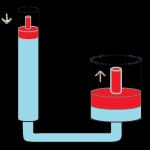 Hydraulics: Concept, Structure, and Basic Operating Principles
Hydraulics is a vital technology, widely used in modern life. From industrial machinery like dock levelers to vehicles, this system plays an indispensable ...
Hydraulics: Concept, Structure, and Basic Operating Principles
Hydraulics is a vital technology, widely used in modern life. From industrial machinery like dock levelers to vehicles, this system plays an indispensable ...
-
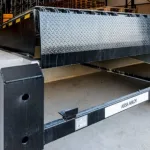 What is a Raised Floor? What are the components of its structure?
Raised floors, hydraulic dock levelers, and access floors are popular types of flooring widely used in modern construction engineering today. To learn deta...
What is a Raised Floor? What are the components of its structure?
Raised floors, hydraulic dock levelers, and access floors are popular types of flooring widely used in modern construction engineering today. To learn deta...
-
 What is Hydraulic? Everything You Need to Know About Hydraulics
"Hydraulic" is certainly a term that many people are interested in. In Vietnamese, it translates to "thủy lực." Today, common industrial machinery within h...
What is Hydraulic? Everything You Need to Know About Hydraulics
"Hydraulic" is certainly a term that many people are interested in. In Vietnamese, it translates to "thủy lực." Today, common industrial machinery within h...
-
 What is a food lift?
Food lifts are commonly found equipment in large restaurants and hotels. They are easy-to-use vehicles due to their compact and safe design. Improving qual...
What is a food lift?
Food lifts are commonly found equipment in large restaurants and hotels. They are easy-to-use vehicles due to their compact and safe design. Improving qual...
-
 Guide to selecting used hydraulic cylinders effectively
Hydraulic cylinders play a vital role in hydraulic systems by providing high working efficiency. Currently, many people use used hydraulic cylinders to sav...
Guide to selecting used hydraulic cylinders effectively
Hydraulic cylinders play a vital role in hydraulic systems by providing high working efficiency. Currently, many people use used hydraulic cylinders to sav...