

 Tiếng Việt
Detailed Steps in Supply Chain Operations
Supply chain operations are the foundation of supply chain management, ensuring raw materials are efficiently converted into products and delivered to customers. This is a core element in the logistics system, helping businesses optimize costs and improve productivity. Naltako, specializing in providing container forklift ramps, offers solutions to support the smooth operation of supply chain processes. The article below will analyze the aspects of supply chain operations in detail alongside solutions from Naltako.
What Are Supply Chain Operations?

Supply chain operations involve a system of organizations, people, activities, information, and resources related to converting raw materials into finished products and distributing them to the end customers. This includes a network of suppliers, manufacturers, distributors, and retailers coordinating to ensure goods are delivered on time. Supply chain operations are the foundation of logistics management, optimizing the value chain and enhancing production efficiency.
How to choose the right material handling equipment for your needs
Steps in Supply Chain Operations
The supply chain process includes the following main steps:
- Supply chain planning: Forecasting demand, scheduling production and distribution.
- Raw material procurement: Contacting the supplier network to ensure supply.
- Production: Converting raw materials into products on industrial production lines.
- Distribution: Using hydraulic pallet jacks to load, unload, and transport goods.
- Retail: Delivering products to stores or end customers.
- Customer service: Providing after-sales support and handling returns.
The Role of Supply Chain Operations

Supply chain operations play a crucial role in:
- Optimizing goods circulation: Ensuring goods move quickly through the distribution system.
- Cost reduction: Reducing logistics costs by 15% through effective management, according to industry research.
- Improving production efficiency: Coordinating inventory management to avoid surplus.
- Increasing competitive advantage: On-time delivery enhances customer satisfaction.
How to Optimize Supply Chain Operations?
To optimize supply chain operations, pay attention to:
- Integration: Coordination among parties in supply chain management, accounting for 71% of operational efficiency.
- Information sharing: Using warehouse management software to track the transportation process.
- Risk management: Creating contingency plans for material shortages or disruptions.
- Technology: Applying automation technologies like industrial conveyors to increase speed.
What Technologies Support the Supply Chain?
Modern technologies supporting supply chain operations:
- IoT in the supply chain: Tracking goods in real-time via barcode scanners.
- AI in supply chain management: Optimizing inventory, improving stock levels by 35%.
- 3D supply chain simulation: Predicting operational scenarios.
- Transport robots: Accelerating loading and unloading in warehouses.
- Automated Warehouse Management Systems (WMS): Managing inventory accurately.
Supply Chain Trends and Challenges?

Trends in supply chain operations:
- Sustainable supply chains: Using recycled materials, reducing emissions.
- Green logistics: Applying fuel-efficient vehicles.
- Automation: Using scissor lifts and transport robots.
Challenges:
- Financial risks: Fluctuations in raw material prices.
- Supply shortages: Geopolitical impacts.
- High logistics costs: In Vietnam, 7% higher than the global average.
Discover equipment like scissor lifts at Naltako to meet diverse needs!
Nội dung có liên quan:
-
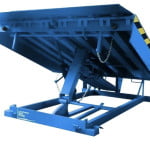 What is a Mechanical Dock Leveler? How does it differ from a Hydraulic Dock Leveler?
Are you looking for a device to support loading and unloading goods from containers to the warehouse floor that is low-cost, highly durable, and easy to in...
What is a Mechanical Dock Leveler? How does it differ from a Hydraulic Dock Leveler?
Are you looking for a device to support loading and unloading goods from containers to the warehouse floor that is low-cost, highly durable, and easy to in...
-
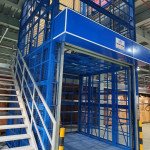 Popular Types of Hydraulic Freight Elevators Today
The role of hydraulic freight elevators in warehouses, production workshops, or construction sites is indisputable. However, the types of hydraulic freight...
Popular Types of Hydraulic Freight Elevators Today
The role of hydraulic freight elevators in warehouses, production workshops, or construction sites is indisputable. However, the types of hydraulic freight...
-
 Safe Working Load in Industrial Lifting and Cargo Handling
In the modern industrial and logistics environment, lifting and cargo handling activities take place continuously with large volumes and high frequencies. ...
Safe Working Load in Industrial Lifting and Cargo Handling
In the modern industrial and logistics environment, lifting and cargo handling activities take place continuously with large volumes and high frequencies. ...
-
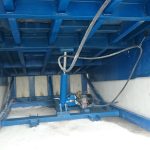 The Differences Between Mechanical Dock Levelers and Hydraulic Dock Levelers
The difference between hydraulic dock levelers and mechanical dock levelers is very clear – Hydraulic dock levelers operate automatically with a push of a ...
The Differences Between Mechanical Dock Levelers and Hydraulic Dock Levelers
The difference between hydraulic dock levelers and mechanical dock levelers is very clear – Hydraulic dock levelers operate automatically with a push of a ...
-
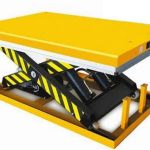 What Should You Consider When Buying a 700kg Hydraulic Lift Table?
The 700kg hydraulic lift table is a popular tool widely used in production workshops and warehouses. With a lifting capacity of 700kg, this hydraulic lift ...
What Should You Consider When Buying a 700kg Hydraulic Lift Table?
The 700kg hydraulic lift table is a popular tool widely used in production workshops and warehouses. With a lifting capacity of 700kg, this hydraulic lift ...
-
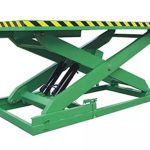 When Should You Use a 1000kg Hydraulic Lift Table?
Are you running a business in a warehouse or workshop that isn't too large and feeling that work efficiency hasn't reached your expectations? Are you looki...
When Should You Use a 1000kg Hydraulic Lift Table?
Are you running a business in a warehouse or workshop that isn't too large and feeling that work efficiency hasn't reached your expectations? Are you looki...
-
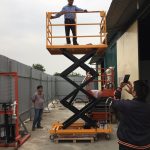 Advantages of 500kg Manual Lift Tables You Should Know
Are you looking to buy a medium-duty manual hydraulic lift table for home use? Is your work frequency intermittent, and are you looking for a product with ...
Advantages of 500kg Manual Lift Tables You Should Know
Are you looking to buy a medium-duty manual hydraulic lift table for home use? Is your work frequency intermittent, and are you looking for a product with ...
-
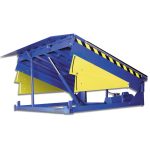 A Guide to Choosing High-Quality Hydraulic Dock Levelers Today
Hydraulic Dock Levelers are among the essential support devices for many fields and industries. Thanks to this product, the transport and storage of goods ...
A Guide to Choosing High-Quality Hydraulic Dock Levelers Today
Hydraulic Dock Levelers are among the essential support devices for many fields and industries. Thanks to this product, the transport and storage of goods ...