

 Tiếng Việt
What is Warehousing? Should You Lease or Self-Manage?
Warehousing is an integral part of the supply chain, ensuring goods storage and effective coordination for business activities. With a vital role in logistics, warehousing helps businesses optimize operational processes and minimize costs. Naltako, a leading provider of lifting equipment, offers smart solutions such as low-profile hand pallet trucks and hydraulic lift tables to support warehouse management. This article will explain in detail the concept of warehousing, popular warehouse types, and how to optimize storage space.
What is Warehousing and Its Role in Logistics?
Warehousing is an area designed for gathering, storing, preserving, and coordinating goods within the supply chain. It is a crucial link in logistics, helping to ensure the supply of goods for production and business. Warehousing involves not only storage but also supports inventory management, product quality control, and transportation optimization. According to a report by the Vietnam Logistics Association, over 85% of logistics enterprises in Vietnam utilize warehousing to maintain a stable supply, especially in the retail and manufacturing sectors.
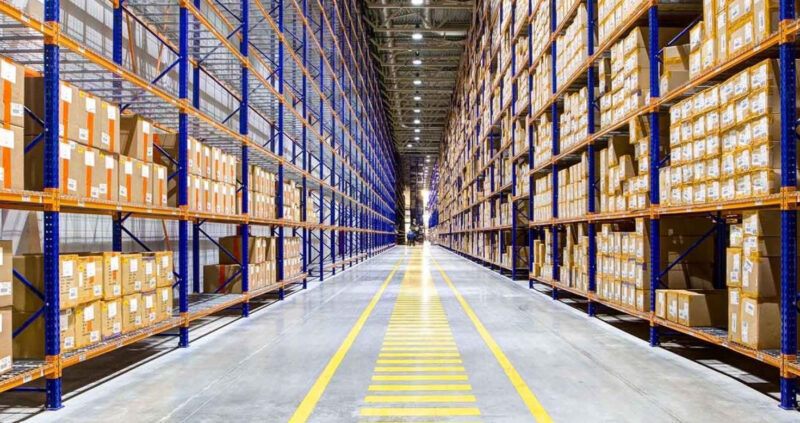
The role of warehousing in logistics includes: safe goods storage, reducing delivery lead times, and supporting goods regulation according to market demand. For example, in the food industry, warehouses help preserve fresh products before distribution. Naltako provides equipment such as hydraulic hand pallet trucks and freight elevators, helping businesses transport and arrange goods easily, increasing warehouse efficiency.
What are the Popular Types of Warehouses Today?
Currently, warehouses are classified based on their function and purpose of use, including:
- Climate-controlled warehouses: Used to preserve food, pharmaceuticals, or temperature-sensitive goods. For example, cold storage in the frozen food industry.
- Public warehouses: Serve multiple businesses, suitable for small companies that cannot afford to build their own.
- Private warehouses: Owned by a single enterprise, allowing full control over storage and transport processes.
Each type of warehouse has specific applications. Climate-controlled warehouses are widely used in the medical sector for vaccine preservation, while public warehouses are popular in e-commerce due to low costs. Private warehouses suit large corporations like automotive manufacturers, where large storage spaces and strict management are required. Naltako provides forklift ramps and hydraulic lift tables, supporting cargo transport in all types of warehouses, from cold storage to industrial warehouses.
How to Optimize Warehouse Space?
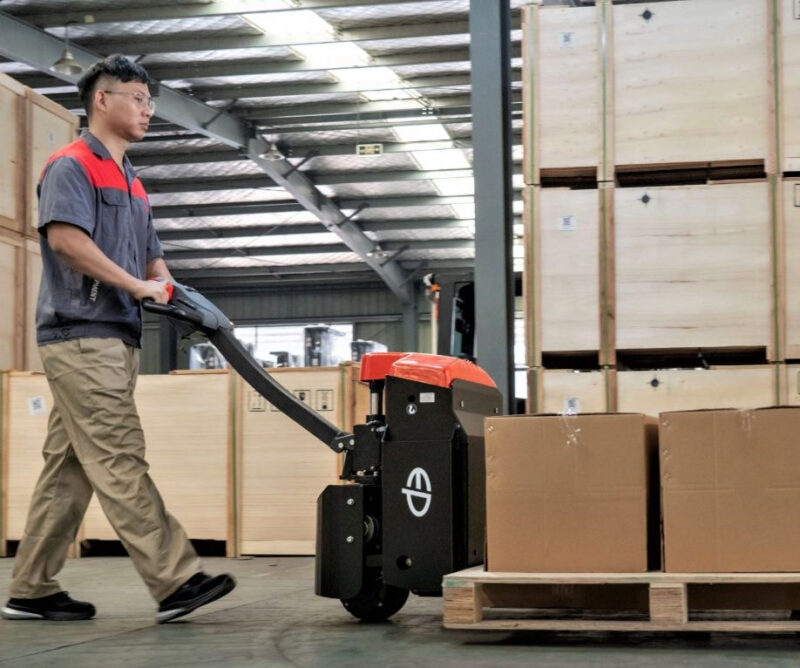
Optimizing warehouse space is a key factor in increasing efficiency and reducing operational costs. Some effective methods include:
- Using Warehouse Management Systems (WMS): Helps track inventory, arrange goods scientifically, and reduce errors. According to Gartner research, WMS can increase warehouse productivity by up to 25%.
- Smart goods arrangement: Utilizing high-bay racking and zoning storage areas based on inbound/outbound frequency.
- Applying lifting equipment: Devices such as Naltako’s hydraulic hand pallet trucks or hydraulic lift tables help move and stack goods easily, saving space.
- Reducing waste: Eliminating unnecessary inventory and optimizing the flow of movement within the warehouse.
For example, in a retail warehouse, using a hydraulic hand pallet truck to stack goods on high shelves increases the usable area by 30%.
>>> What does warehousing and storage services mean for businesses?
Should You Outsource Warehousing or Manage It In-house?
The choice between outsourcing to 3PL warehouses and in-house management depends on the needs and resources of the business. Outsourced warehousing offers advantages such as low initial costs, space flexibility, and no need for infrastructure investment. However, the downside is the lack of comprehensive control and potentially high long-term rental costs. For instance, e-commerce companies often rent public warehouses to save costs but face challenges in real-time goods coordination.
Conversely, in-house warehouse management allows businesses to fully control the storage and transport processes but requires significant investment in facilities and personnel. Large manufacturing enterprises often choose in-house management to ensure quality and distribution speed. According to a survey by CBRE Vietnam, 60% of manufacturing enterprises in Vietnam opt for self-managed warehousing to optimize long-term costs.
How to Manage Warehousing Effectively in an Enterprise?
Effective warehouse management requires a combination of technology, processes, and supporting equipment. Here are the key steps:
- Implement a Warehouse Management System (WMS): Track inventory in real-time, reducing errors to below 1% (according to Aberdeen Group research).
- Optimize goods coordination: Arrange goods based on inbound/outbound priority, using hydraulic hand pallet trucks for quick movement.
- Use lifting equipment: Devices such as Naltako’s freight elevators and forklift ramps help speed up goods processing and reduce labor effort.
- Employee training: Ensure staff clearly understand processes and safe equipment usage.
For example, a logistics company in Hanoi increased warehouse productivity by 40% after implementing a WMS and using Naltako hydraulic hand pallet trucks. Investing in technology and equipment helps reduce operational costs and improves inventory management efficiency.
Contact Naltako now at 0981.977.898 for quotes on equipment such as tilting lift tables, freight elevators, hydraulic hand pallet trucks… to manage your warehouse more effectively!
Nội dung có liên quan:
-
 Should You Use a Mini Hydraulic Lift Table?
A lift table is a very useful device for warehouses and workshops. They are used to transport goods as quickly as possible. Among the many types of lift ta...
Should You Use a Mini Hydraulic Lift Table?
A lift table is a very useful device for warehouses and workshops. They are used to transport goods as quickly as possible. Among the many types of lift ta...
-
 Choosing Between Hydraulic Dock Levelers or Forklift Ramps for Cargo Handling?
Currently in Vietnam, businesses are applying many different methods to carry out import and export operations. Some businesses continue to follow traditio...
Choosing Between Hydraulic Dock Levelers or Forklift Ramps for Cargo Handling?
Currently in Vietnam, businesses are applying many different methods to carry out import and export operations. Some businesses continue to follow traditio...
-
 What is a Loading Dock? What does a Loading Dock system include?
Is your business facing difficulties in transporting goods? Is loading and unloading taking too much time and increasing costs? Have you researched solutio...
What is a Loading Dock? What does a Loading Dock system include?
Is your business facing difficulties in transporting goods? Is loading and unloading taking too much time and increasing costs? Have you researched solutio...
-
 Hydraulic Cylinder Structure, Specifications, and Operating Principles
Hydraulic cylinders, also known as hydraulic rams, are one of the most critical components in a hydraulic system. They have the ability to convert hydrauli...
Hydraulic Cylinder Structure, Specifications, and Operating Principles
Hydraulic cylinders, also known as hydraulic rams, are one of the most critical components in a hydraulic system. They have the ability to convert hydrauli...
-
 Differences Between Freight Elevators and Goods Hoists
Choosing between a freight elevator and a goods hoist is always a difficult puzzle for many businesses. Understanding this, Naltako will help you solve the...
Differences Between Freight Elevators and Goods Hoists
Choosing between a freight elevator and a goods hoist is always a difficult puzzle for many businesses. Understanding this, Naltako will help you solve the...
-
 Hydraulics: Concept, Structure, and Basic Operating Principles
Hydraulics is a vital technology, widely used in modern life. From industrial machinery like dock levelers to vehicles, this system plays an indispensable ...
Hydraulics: Concept, Structure, and Basic Operating Principles
Hydraulics is a vital technology, widely used in modern life. From industrial machinery like dock levelers to vehicles, this system plays an indispensable ...
-
 Dock Shelter and Dock Leveler: The Perfect Combination for Your Warehouse
Is your warehouse operating inefficiently, with high risks of cargo damage and low productivity? Don't worry, the optimal solution is here! The combination...
Dock Shelter and Dock Leveler: The Perfect Combination for Your Warehouse
Is your warehouse operating inefficiently, with high risks of cargo damage and low productivity? Don't worry, the optimal solution is here! The combination...
-
 What is a Raised Floor? What are the components of its structure?
Raised floors, hydraulic dock levelers, and access floors are popular types of flooring widely used in modern construction engineering today. To learn deta...
What is a Raised Floor? What are the components of its structure?
Raised floors, hydraulic dock levelers, and access floors are popular types of flooring widely used in modern construction engineering today. To learn deta...