

 Tiếng Việt
What is Hydraulic? Everything You Need to Know About Hydraulics
“Hydraulic” is certainly a term that many people are interested in. In Vietnamese, it translates to “thủy lực.” Today, common industrial machinery within hydraulic systems—such as excavators, diggers, road rollers, cranes, ships, and hydraulic dock levelers—all utilize hydraulic systems.
So, what exactly is “Hydraulic”? Follow the article below to explore everything you need to know about this field.
What is Hydraulic?
The concept of “Hydraulic” is quite familiar if you are knowledgeable about machinery. However, for those outside the field, it may seem somewhat foreign and complex. As mentioned, “Hydraulic” refers to fluid power. Hydraulics is a branch of engineering that studies the movement and transmission of force through liquids in a confined environment. Specifically, it uses fluid to transmit motion and force from a power source to the point of application.
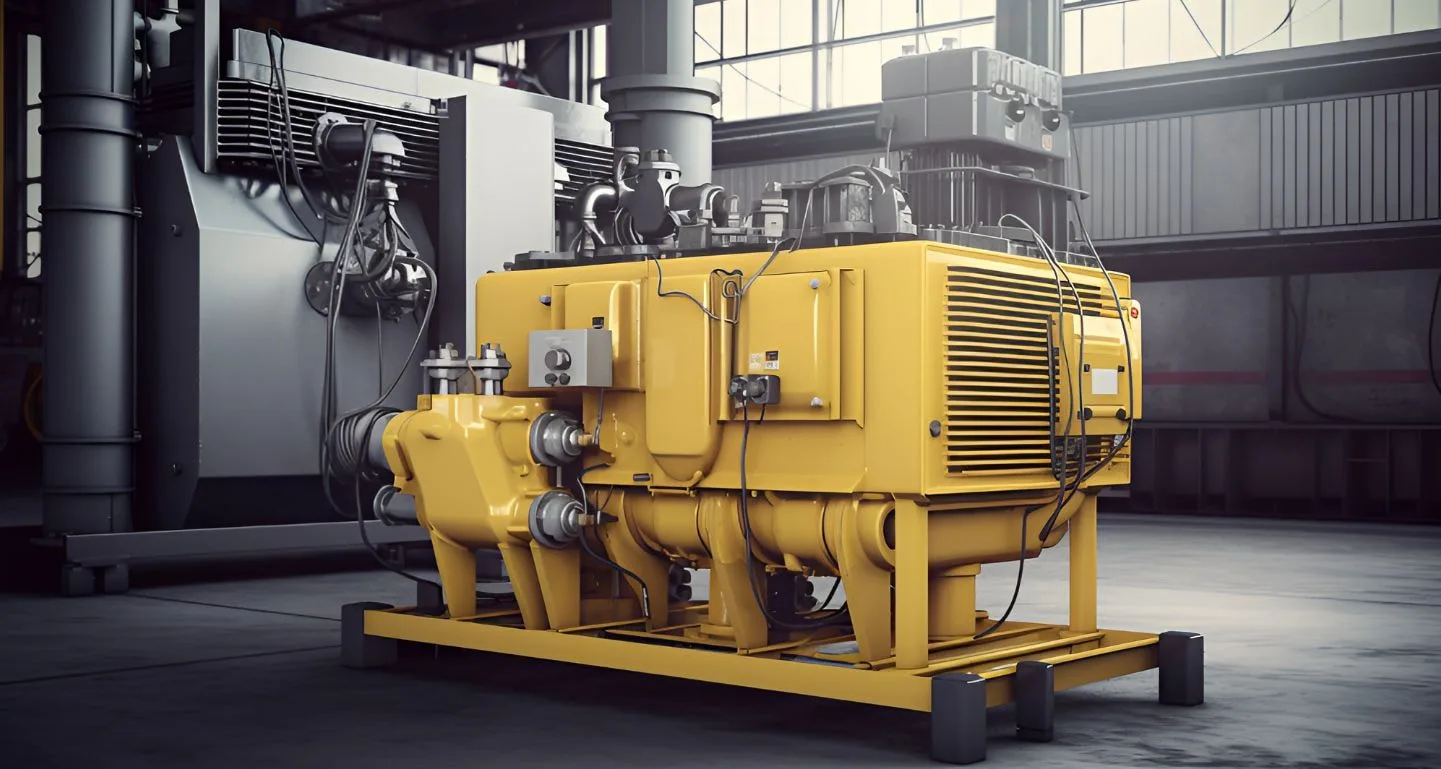
Liquids used in hydraulic systems include oil, specialized fluids, or substances with varying densities. To operate a hydraulic system, several components are required: an energy source, a fluid distribution system, active components (actuators), and a control system.
The term “Hydraulic” rarely stands alone; it is typically paired with nouns to form specific terms like Hydraulic System, Hydraulic Oil, Hydraulic Machine, and so on.
Things You Need to Know About Hydraulics
To help readers better understand “Hydraulic,” let’s look at the essential terms associated with it. Here are the must-know hydraulic-related phrases:
Hydraulic System
A Hydraulic System is a vital setup applied in modern industrial machinery and equipment today. This term refers to a relatively complex system consisting of a fluid reservoir, distribution lines, hydraulic hoses, and accompanying components like lift supports and metal frames.
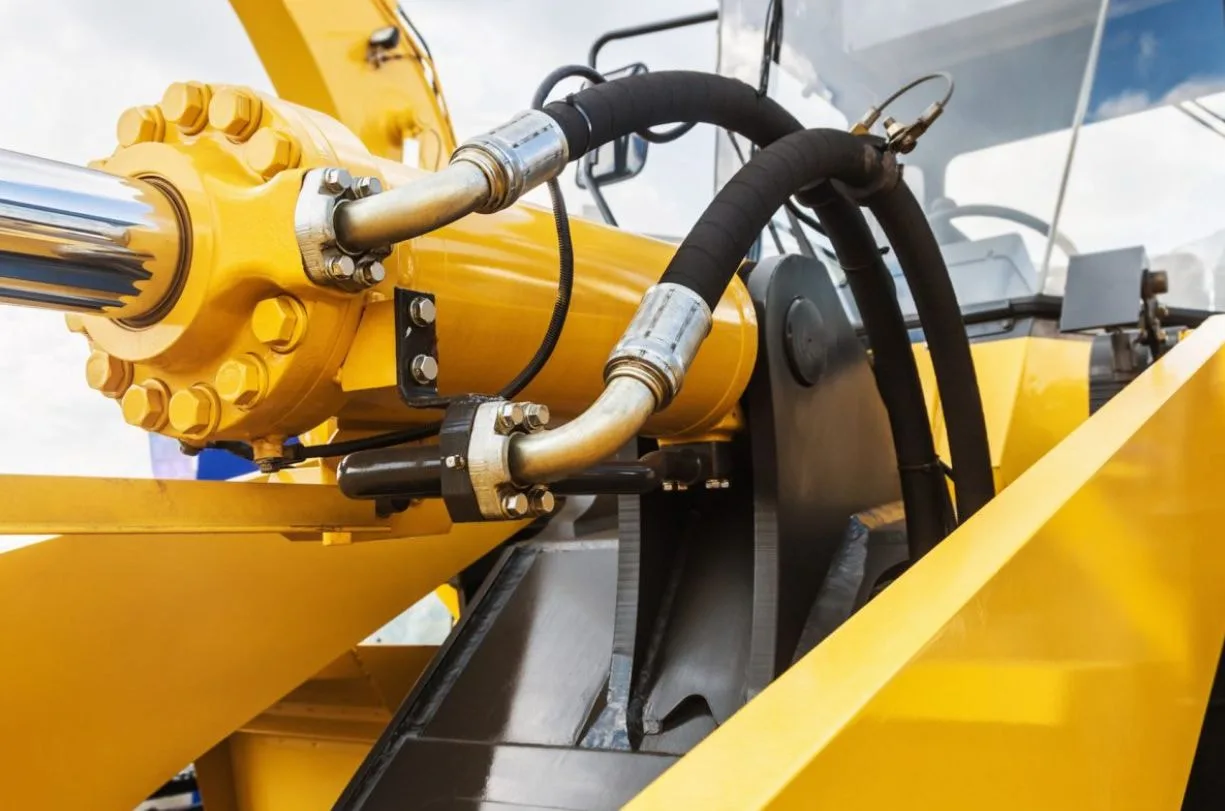
Hydraulic systems offer several advantages:
- High-power transmission capability with the ability to vary flow and pressure as required. Additionally, users do not need to spend excessive time on meticulous maintenance.
- Hydraulic systems operate smoothly and produce very little noise.
- High starting torque allows the system to overcome resistance like inertia and friction during operation.
Hydraulic Oil
If you have researched what “Hydraulic” is, you have likely come across “Hydraulic Oil.” This is a product specifically designed for hydraulic systems; besides sealing surfaces, it provides lubrication, prevents friction, and transmits motion within the system. Hydraulic oil is produced using specialized technology, giving it properties that standard lubricants lack.
Most modern hydraulic oils are mineral-based, accounting for about 80% of global usage. Hydraulic oil provides many benefits in industrial applications, including:
- Wide application across various systems and diverse industrial equipment.
- Strong support in providing the power necessary to operate industrial devices.
- Ability to operate at high temperatures and in harsh working environments.
Read more: Standards and procedures for dock leveler inspection
Hydraulic Machine
“Hydraulic Machine” refers to all mechanical parts, conduits, operations, and fuel used when installing a hydraulic system. This ensures the equipment and hydraulic machinery operate effectively.
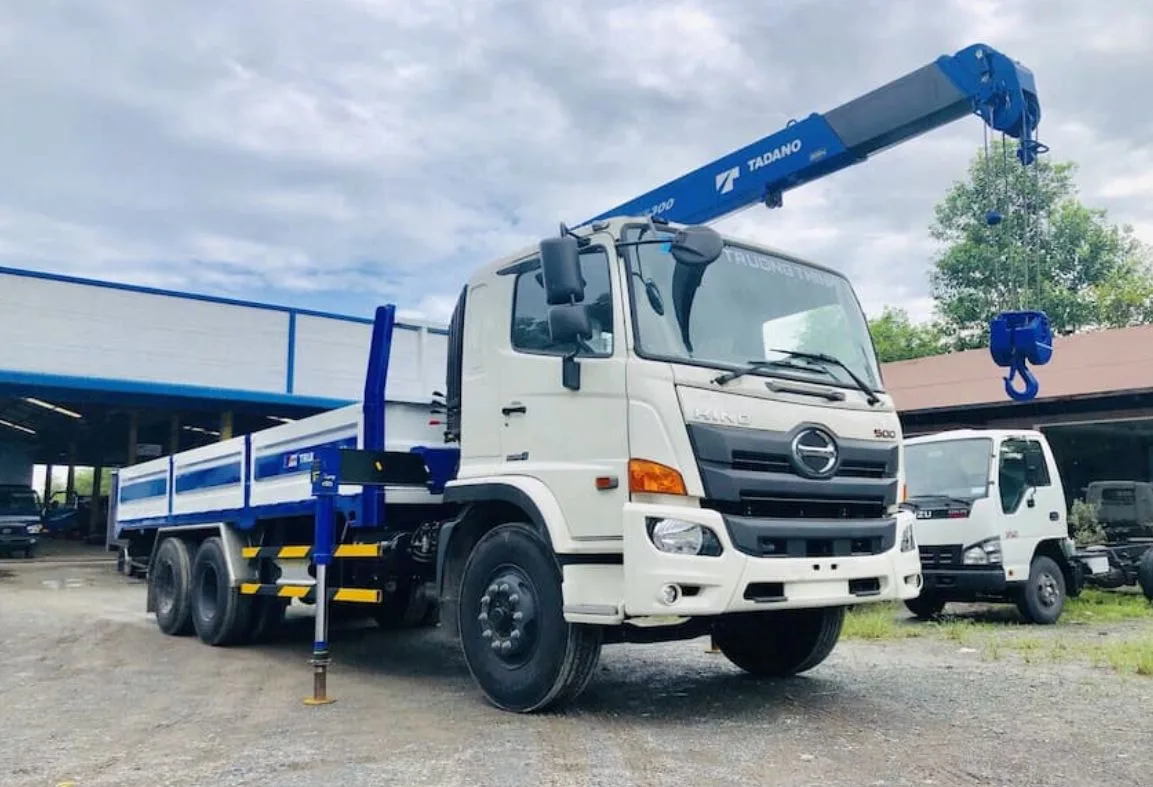
A hydraulic machine is a relatively complex assembly comprising many different parts. Any piece of machinery or component that utilizes hydraulic oil or a hydraulic system as its load force can be called a hydraulic machine.
In an industrial setting, hydraulic machines may include plastic injection molding machines or power presses for mold creation. Additionally, they can be other types of equipment like cranes, excavators, or lifting forklifts.
Read more: Dock Shelter and Dock Leveler: The perfect combination for warehouses
We hope the information in this article has helped you understand what “Hydraulic” is and its related details. If you have any further questions or concerns, please contact us for rapid assistance.
Contact Information:
- Naltako Industrial Joint Stock Company.
- Address: Dong De, Phu Yen, Chuong My, Hanoi.
- Hotline: 0981.977.898.
- Website: Naltako.vn
Nội dung có liên quan:
-
 What is a Loading Dock? What does a Loading Dock system include?
Is your business facing difficulties in transporting goods? Is loading and unloading taking too much time and increasing costs? Have you researched solutio...
What is a Loading Dock? What does a Loading Dock system include?
Is your business facing difficulties in transporting goods? Is loading and unloading taking too much time and increasing costs? Have you researched solutio...
-
 Hydraulic Cylinder Structure, Specifications, and Operating Principles
Hydraulic cylinders, also known as hydraulic rams, are one of the most critical components in a hydraulic system. They have the ability to convert hydrauli...
Hydraulic Cylinder Structure, Specifications, and Operating Principles
Hydraulic cylinders, also known as hydraulic rams, are one of the most critical components in a hydraulic system. They have the ability to convert hydrauli...
-
 Differences Between Freight Elevators and Goods Hoists
Choosing between a freight elevator and a goods hoist is always a difficult puzzle for many businesses. Understanding this, Naltako will help you solve the...
Differences Between Freight Elevators and Goods Hoists
Choosing between a freight elevator and a goods hoist is always a difficult puzzle for many businesses. Understanding this, Naltako will help you solve the...
-
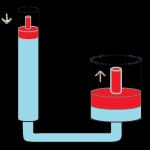 Hydraulics: Concept, Structure, and Basic Operating Principles
Hydraulics is a vital technology, widely used in modern life. From industrial machinery like dock levelers to vehicles, this system plays an indispensable ...
Hydraulics: Concept, Structure, and Basic Operating Principles
Hydraulics is a vital technology, widely used in modern life. From industrial machinery like dock levelers to vehicles, this system plays an indispensable ...
-
 Dock Shelter and Dock Leveler: The Perfect Combination for Your Warehouse
Is your warehouse operating inefficiently, with high risks of cargo damage and low productivity? Don't worry, the optimal solution is here! The combination...
Dock Shelter and Dock Leveler: The Perfect Combination for Your Warehouse
Is your warehouse operating inefficiently, with high risks of cargo damage and low productivity? Don't worry, the optimal solution is here! The combination...
-
 What is a Raised Floor? What are the components of its structure?
Raised floors, hydraulic dock levelers, and access floors are popular types of flooring widely used in modern construction engineering today. To learn deta...
What is a Raised Floor? What are the components of its structure?
Raised floors, hydraulic dock levelers, and access floors are popular types of flooring widely used in modern construction engineering today. To learn deta...
-
 What is a food lift?
Food lifts are commonly found equipment in large restaurants and hotels. They are easy-to-use vehicles due to their compact and safe design. Improving qual...
What is a food lift?
Food lifts are commonly found equipment in large restaurants and hotels. They are easy-to-use vehicles due to their compact and safe design. Improving qual...
-
 Guide to selecting used hydraulic cylinders effectively
Hydraulic cylinders play a vital role in hydraulic systems by providing high working efficiency. Currently, many people use used hydraulic cylinders to sav...
Guide to selecting used hydraulic cylinders effectively
Hydraulic cylinders play a vital role in hydraulic systems by providing high working efficiency. Currently, many people use used hydraulic cylinders to sav...