

 Tiếng Việt
What is Heavy Industry? Common Sectors in Vietnam
Heavy industry is the foundation of the economy, providing essential materials such as steel, cement, and chemicals to many other sectors. Characterized by high capital and technology intensity, heavy industry plays a crucial role in economic growth and exports. Naltako, a leading provider of lifting equipment, offers solutions such as hand pallet trucks and hydraulic lift tables to support efficient production. This article will explain the concept, role, and sustainable development methods for heavy industry.
What is Heavy Industry and Its Economic Role?
Heavy industry is a manufacturing sector that requires large capital investment, high technology, and consumes vast amounts of raw materials to create products like steel, cement, or chemicals, serving as inputs for other industries. It is the backbone of the industrial economy, driving growth through exports and job creation. According to the General Statistics Office of Vietnam, heavy industry contributes over 90% of export turnover, with products like steel and cement accounting for a large proportion.
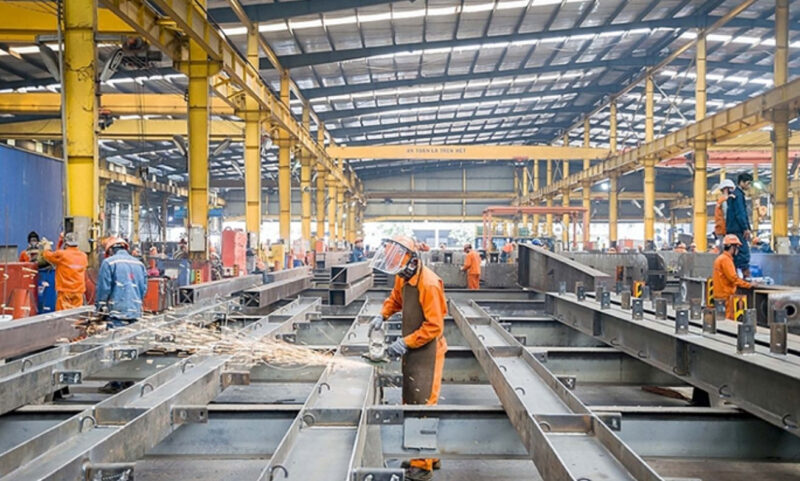
The role of heavy industry includes providing materials for construction, automotive manufacturing, and shipbuilding, while simultaneously enhancing national production capacity. For example, metallurgical plants in Vietnam produce millions of tons of steel annually, meeting both domestic and export demands.
How Does Heavy Industry Differ from Light Industry?
Heavy industry differs from light industry in terms of scale, capital investment, and economic impact. Heavy industry focuses on producing raw materials like steel and chemicals, requiring massive infrastructure, high energy consumption, and less labor intensity. In contrast, light industry produces consumer goods like clothing and food, with lower capital investment and high labor intensity. For example, a cement plant requires millions of dollars to build, whereas a garment workshop may only need tens of thousands.
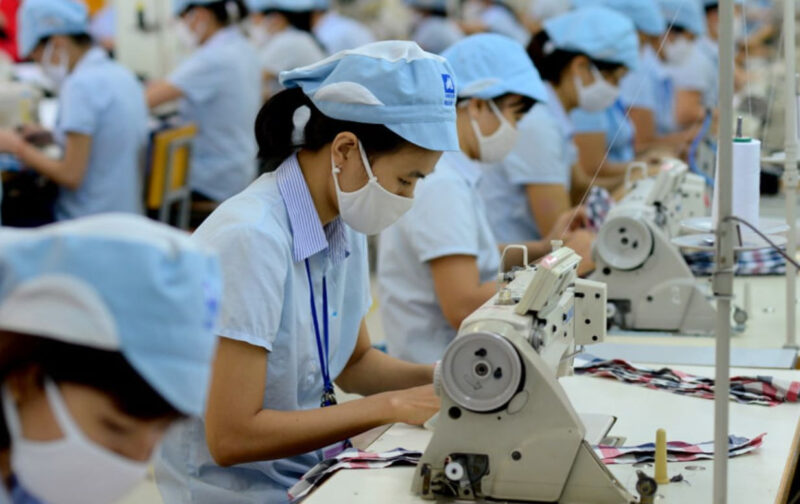 Light industry involves sectors producing consumer goods, clothing, food…</caption]
The capital-intensive nature of heavy industry increases barriers to entry but brings significant economic value. According to the Ministry of Industry and Trade, Vietnam’s steel industry utilizes automation technology, reducing labor demand by 50% compared to the textile industry.
Common Heavy Industries in Vietnam?
In Vietnam, heavy industry includes key sectors such as:
-
- Steel Metallurgy: Producing construction and alloy steel, leading Southeast Asia with an output of 20 million tons/year (according to the Vietnam Steel Association).
-
- Mining: Providing coal and iron ore for energy production and metallurgy.
-
- Cement Production: Meeting construction needs with over 100 million tons/year, ranking 3rd in the world.
-
- Industrial Chemicals: Producing fertilizers and basic chemicals for agriculture and industry.
These sectors operate in metallurgical plants and industrial chemical plants, requiring modern equipment to transport heavy materials. Naltako provides hydraulic hand pallet trucks and freight elevators, helping handle goods in harsh environments such as coal mining areas or cement plants, ensuring performance and safety.
How Does Heavy Industry Impact the Environment?
Heavy industry has a significant impact on the environment due to large energy consumption and greenhouse gas emissions. According to the Ministry of Natural Resources and Environment, heavy industry accounts for approximately 22% of greenhouse gas emissions in Vietnam, mainly from mining and steel production. The metallurgical process emits CO2, while mining causes water and soil pollution. For example, a medium-sized steel plant can emit thousands of tons of CO2 per year.
To reduce impact, businesses are adopting air filtration technologies and scrap recycling. Naltako provides tilting lift tables and scissor lifts to support the transport of recycled materials in cement plants, contributing to emission reduction. These devices are designed to optimize energy, aligning with green manufacturing trends.
How to Develop Sustainable Heavy Industry?
Sustainable heavy industry development requires the integration of Industry 4.0, renewable energy, and green manufacturing processes. Vietnam is shifting towards green heavy industry, with sectors like steel and cement adopting automation and IoT to reduce energy consumption by 15-20% (according to the Ministry of Industry and Trade). For example, steel plants using electric arc furnaces to recycle scrap reduce emissions by 30% compared to traditional blast furnaces.
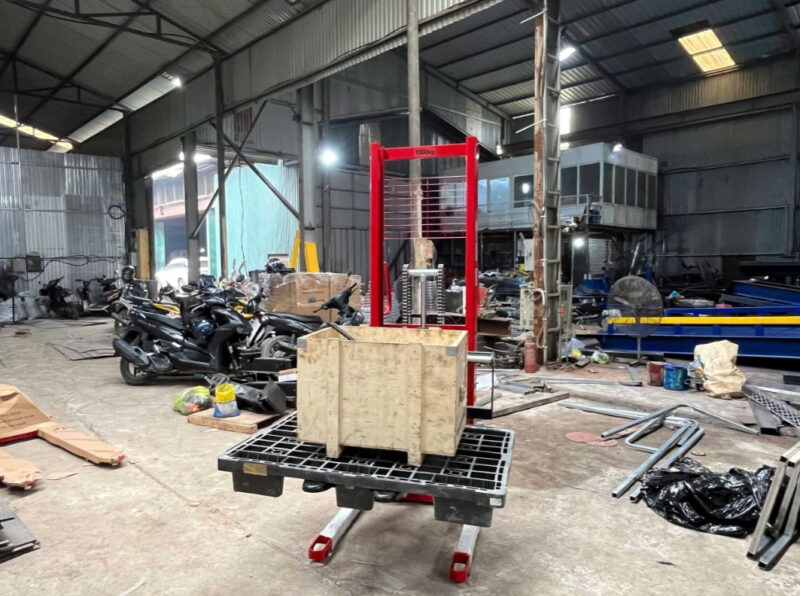 Using hand pallet trucks helps protect the environment by not emitting polluting gases
Additionally, renewable energy such as solar power is being applied in industrial chemical plants, reducing dependence on fossil fuels. Naltako provides hydraulic hand pallet trucks and hydraulic lift tables, supporting material transport in green production facilities, ensuring efficiency and environmental friendliness.
Contact Naltako at 0981.977.898 for support with modern lifting equipment, contributing to sustainable heavy industry development!
Nội dung có liên quan:
-
 What is a Mechanical Dock Leveler? How does it differ from a Hydraulic Dock Leveler?
Are you looking for a device to support loading and unloading goods from containers to the warehouse floor that is low-cost, highly durable, and easy to in...
What is a Mechanical Dock Leveler? How does it differ from a Hydraulic Dock Leveler?
Are you looking for a device to support loading and unloading goods from containers to the warehouse floor that is low-cost, highly durable, and easy to in...
-
 Popular Types of Hydraulic Freight Elevators Today
The role of hydraulic freight elevators in warehouses, production workshops, or construction sites is indisputable. However, the types of hydraulic freight...
Popular Types of Hydraulic Freight Elevators Today
The role of hydraulic freight elevators in warehouses, production workshops, or construction sites is indisputable. However, the types of hydraulic freight...
-
 Safe Working Load in Industrial Lifting and Cargo Handling
In the modern industrial and logistics environment, lifting and cargo handling activities take place continuously with large volumes and high frequencies. ...
Safe Working Load in Industrial Lifting and Cargo Handling
In the modern industrial and logistics environment, lifting and cargo handling activities take place continuously with large volumes and high frequencies. ...
-
 The Differences Between Mechanical Dock Levelers and Hydraulic Dock Levelers
The difference between hydraulic dock levelers and mechanical dock levelers is very clear – Hydraulic dock levelers operate automatically with a push of a ...
The Differences Between Mechanical Dock Levelers and Hydraulic Dock Levelers
The difference between hydraulic dock levelers and mechanical dock levelers is very clear – Hydraulic dock levelers operate automatically with a push of a ...
-
 What Should You Consider When Buying a 700kg Hydraulic Lift Table?
The 700kg hydraulic lift table is a popular tool widely used in production workshops and warehouses. With a lifting capacity of 700kg, this hydraulic lift ...
What Should You Consider When Buying a 700kg Hydraulic Lift Table?
The 700kg hydraulic lift table is a popular tool widely used in production workshops and warehouses. With a lifting capacity of 700kg, this hydraulic lift ...
-
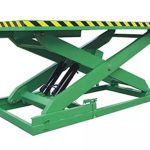 When Should You Use a 1000kg Hydraulic Lift Table?
Are you running a business in a warehouse or workshop that isn't too large and feeling that work efficiency hasn't reached your expectations? Are you looki...
When Should You Use a 1000kg Hydraulic Lift Table?
Are you running a business in a warehouse or workshop that isn't too large and feeling that work efficiency hasn't reached your expectations? Are you looki...
-
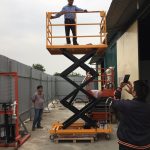 Advantages of 500kg Manual Lift Tables You Should Know
Are you looking to buy a medium-duty manual hydraulic lift table for home use? Is your work frequency intermittent, and are you looking for a product with ...
Advantages of 500kg Manual Lift Tables You Should Know
Are you looking to buy a medium-duty manual hydraulic lift table for home use? Is your work frequency intermittent, and are you looking for a product with ...
-
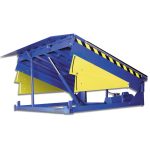 A Guide to Choosing High-Quality Hydraulic Dock Levelers Today
Hydraulic Dock Levelers are among the essential support devices for many fields and industries. Thanks to this product, the transport and storage of goods ...
A Guide to Choosing High-Quality Hydraulic Dock Levelers Today
Hydraulic Dock Levelers are among the essential support devices for many fields and industries. Thanks to this product, the transport and storage of goods ...