

 Tiếng Việt
What is an electric hoist? Structure and operating principle
Electric hoists are modern lifting solutions that bring outstanding efficiency to industrial and construction projects. Although Naltako does not provide electric hoists, our products such as scissor lifts, mini cranes, and cargo lifts are perfect complements, optimizing the transportation process when combined with electric hoists. This article will provide detailed information about electric hoists, from structure to application, helping you better understand this equipment. Let’s explore lifting solutions from Naltako!
What is an Electric Hoist? What Types are Available?
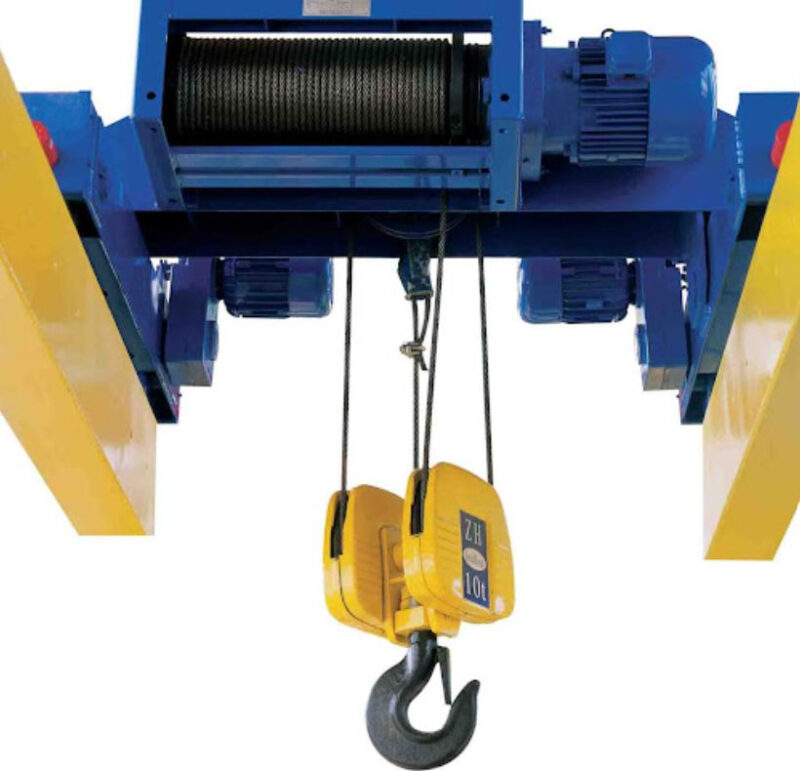
An electric hoist is a lifting device that uses a 3-phase or 1-phase electric motor to wind and release heavy-duty load chains or wire ropes, enabling fast lifting of heavy objects in industrial lifting equipment. With load capacities ranging from 0.5 tons to dozens of tons, electric hoists are suitable for factories, warehouses, and large-scale projects. Common types include:
- Electric chain hoists: Use chains, durable, suitable for medium and large projects.
- Electric wire rope hoists: Use steel cables, high speed, ideal for large loads.
- Fixed type: Mounted fixedly on steel frames or beams.
- Trolley type: Moves on I-beams, increasing flexibility.
Electric hoists integrate well with Naltako’s forklift ramps, helping transport materials efficiently. The equipment meets TCVN 7472:2005 standards, satisfying needs from construction sites to industrial production.
What are the Structure and Operating Principle of Electric Hoists?
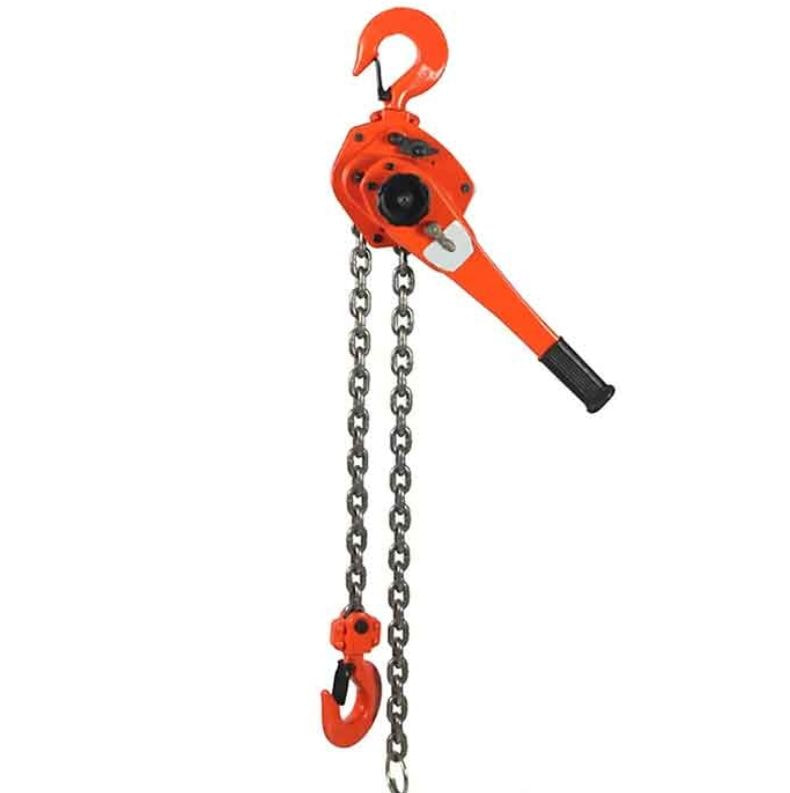
Electric hoists have a sophisticated structure, ensuring safe operation in cargo transportation systems:
- Electric motor: 100% copper wire, high power, high torque, available in 1-phase (220V) and 3-phase (380V) versions.
- Steel gear reduction box: Reduces rotation speed, increases pulling force, reduces wear and noise.
- Automatic electromagnetic brake: Stops the load immediately in case of power loss or overload, ensuring safety.
- Load chain or wire rope: Hardened steel, anti-corrosion, bearing loads from 0.5 to 20 tons.
- Hoist controller: Handheld pendant or remote control, easy to operate.
- Cable drum: Winds/unwinds chain or cable, combined with a lifting hook.
- Protective shell: Aluminum alloy, impact-resistant, protects the motor.
Operating Principle: The motor transmits power through the reduction gearbox to wind or release the chain/cable to lift or lower heavy objects. The electromagnetic brake activates when stopped to hold the load safely. Naltako recommends using electric hoists with hydraulic lift tables to optimize transportation, suitable for large projects.
Advantages of Electric Hoists Over Manual Hoists?
Electric hoists are superior to manual chain hoists in construction equipment due to several advantages:
- Fast speed: Lifting heavy objects from 0.5 to 20 tons at a speed of 4-8m/min, 5 times faster than manual hoists.
- Easy control: Remote or pendant controllers reduce labor compared to manual pulling.
- High efficiency: Suitable for large projects, integrates with cargo lifts for continuous transportation.
- Superior safety: Automatic electromagnetic brakes stop during overload or power failure, reducing accident risks.
Limitations: Electric hoists require a stable power source, have higher costs (5-20 million VND), and are bulkier than manual hoists (priced 1-5 million VND, no electricity needed, suitable for small projects). Naltako suggests using electric hoists for large factories and manual hoists for sites without electricity, combined with hydraulic pallet jacks to increase efficiency.
Common Applications of Electric Hoists in Industry?
Electric hoists are widely used as lifting equipment accessories due to their flexibility:
- Construction: Lifting steel, concrete, and installation equipment at high-rise building sites.
- Factories and warehouses: Moving machinery, heavy goods, integrating with hydraulic tilting tables.
- Ports: Lifting containers and marine equipment.
- Logistics: Transporting large goods in transport warehouses.
- Manufacturing: Assembly lines, lifting heavy components.
- Agriculture: Lifting irrigation equipment and agricultural machinery.
Single-girder electric hoists (0.5-5 tons) are suitable for small warehouses, while double-girder electric hoists (5-20 tons) are ideal for large projects. The equipment is ISO 9001:2015 certified, ensuring safety and efficiency. Naltako encourages using electric hoists with mini cranes to increase operational performance in industry.
Where to Buy Prestigious Electric Hoists at Good Prices?
Although Naltako does not provide electric hoists, we are a reputable unit in hydraulic lifting equipment, offering products such as scissor lifts, hydraulic lift tables, and cargo lifts to support operations alongside electric hoists. Benefits of choosing solutions from Naltako:
- In-depth consultation: Suggesting reputable suppliers for 1-ton to 10-ton electric hoists.
- Quality supporting equipment: Products meet TCVN 7472:2005 standards, integrating well with electric hoists.
- Attentive service: Fast delivery, 24/7 technical support, 6-12 month warranty.
With many years of experience, Naltako is committed to providing safe and effective lifting solutions. Combine electric hoists with forklift ramps to optimize the transport of heavy objects, from warehouses to large construction sites.
Looking for quality lifting solutions? Contact us now via email info@naltako.vn or hotline 0981.977.898 to receive the best advice from Naltako!
Nội dung có liên quan:
-
 What is a Piston? Structure and Operating Principle
If you work in the repair and installation of industrial equipment, you have surely heard terms such as: steam engines, internal combustion engines, etc. A...
What is a Piston? Structure and Operating Principle
If you work in the repair and installation of industrial equipment, you have surely heard terms such as: steam engines, internal combustion engines, etc. A...
-
 Hydraulic Oil Radiators – Oil Coolers for Hydraulic Systems
What solution will support you in the process of cooling and cleaning hydraulic oil? That is using a hydraulic oil cooler immediately. However, each system...
Hydraulic Oil Radiators – Oil Coolers for Hydraulic Systems
What solution will support you in the process of cooling and cleaning hydraulic oil? That is using a hydraulic oil cooler immediately. However, each system...
-
 Compressed Air Filters: Construction, Working Principle, and Classification
Compressed air filters are a common and essential device, designed to effectively remove impurities and dirt that may exist in compressed air, helping you ...
Compressed Air Filters: Construction, Working Principle, and Classification
Compressed air filters are a common and essential device, designed to effectively remove impurities and dirt that may exist in compressed air, helping you ...
-
 Piston Pumps: Definition, Classification, Applications, and Pricing
If vane pumps or hydraulic gear pumps are selected for low-pressure systems, the hydraulic piston pump line is designed for high-pressure machinery requiri...
Piston Pumps: Definition, Classification, Applications, and Pricing
If vane pumps or hydraulic gear pumps are selected for low-pressure systems, the hydraulic piston pump line is designed for high-pressure machinery requiri...
-
 What is a Gear Hydraulic Pump? Structure and Classification
With a simple structure, convenient assembly and operation, and the ability to withstand heavy loads for a specific duration, gear hydraulic pumps are wide...
What is a Gear Hydraulic Pump? Structure and Classification
With a simple structure, convenient assembly and operation, and the ability to withstand heavy loads for a specific duration, gear hydraulic pumps are wide...
-
 Hydraulic Pumps
In today's industries, from high-rise buildings to manufacturing plants, hydraulic pumps play a crucial role. This component helps devices such as yard ram...
Hydraulic Pumps
In today's industries, from high-rise buildings to manufacturing plants, hydraulic pumps play a crucial role. This component helps devices such as yard ram...
-
 Hydraulic Seals: Classification, Installation & Replacement
Hydraulic seals are vital components in a hydraulic system, yet not everyone fully understands them. If you are looking for information on seal types, inst...
Hydraulic Seals: Classification, Installation & Replacement
Hydraulic seals are vital components in a hydraulic system, yet not everyone fully understands them. If you are looking for information on seal types, inst...
-
 Grating Flooring (Galvanized Steel Grating): Features, Applications, and Quotes
What is Grating Flooring?
Grating flooring (also known as galvanized steel grating or grating panels) is a type of floor formed from load-bearing steel ba...
Grating Flooring (Galvanized Steel Grating): Features, Applications, and Quotes
What is Grating Flooring?
Grating flooring (also known as galvanized steel grating or grating panels) is a type of floor formed from load-bearing steel ba...