

 Tiếng Việt
What is an Automated Warehouse? Outstanding Benefits of Automated Warehouses
Automated warehouses are becoming an inevitable trend in the logistics system, helping businesses optimize warehouse management and improve supply chain efficiency. This is a smart goods storage and management system that uses modern technology to automate operational processes. Naltako, specializing in providing forklift ramps, offers solutions to support the smooth operation of automated warehouses. The article below will provide detailed information about automated warehouses and the role of lifting equipment in this system.
What is an Automated Warehouse and Its Role in Modern Logistics
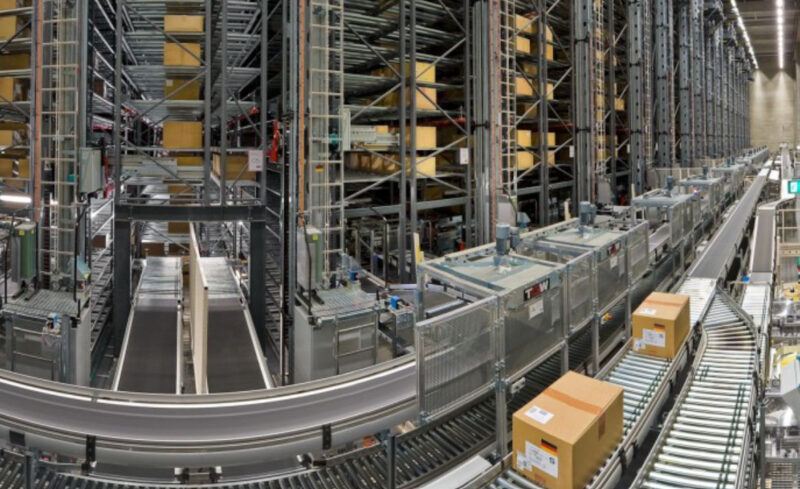
An automated warehouse is an automated storage system that uses robots, conveyors, and Warehouse Management System (WMS) software to automate the processes of receiving, shipping, and storing goods, minimizing human intervention. Within the warehouse system, technologies like RFID barcodes and AI ensure accurate goods management and optimize operational efficiency. The role of automated warehouses in industrial facilities includes accelerating order processing speed, reducing errors, and maximizing space utilization. According to research, automated warehouses save up to 50% of space and increase operational efficiency by 70% compared to traditional warehouses.
Outstanding Benefits of Automated Warehouses Compared to Traditional Warehouses
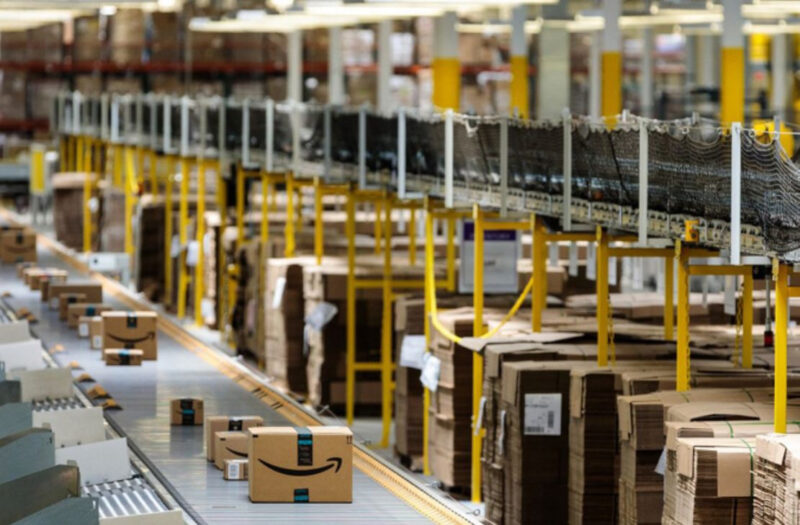
Compared to traditional warehouses, automated warehouses offer many outstanding benefits:
- Space saving: Utilizing high-bay racking and automated pallets to store a larger number of pallets, such as the Vinamilk warehouse which stores up to 27,000 pallets.
- Increased productivity: AGV/AMR robots and automated conveyors process thousands of orders daily, increasing operational speed by 70%.
- Reduced labor costs: Automation reduces the need for manual labor by 60%.
- Minimized errors: Real-time warehouse management systems ensure nearly 100% accuracy.
Automated warehouses are also easily expandable by adding racking modules or robots without disrupting operations.
Modern Technologies in Automated Warehouses and Warehouse Robots
Automated warehouses integrate many advanced technologies:
- AGV/AMR Robots: Warehouse robots equipped with embedded computer chips and artificial intelligence (AI) that automatically transport goods and sort parcels efficiently.
- Automated conveyors: Smart conveyor systems move goods quickly, reducing processing time.
- WMS software: Coordinates all activities and optimizes storage locations.
- RFID and IoT: RFID barcodes and sensor identification systems track goods in real-time, with each pallet having its own IP address.
- AI: Predicts demand and optimizes the import/export processes.
These technologies enable automated warehouses to operate 24/7 with high precision, reducing labor costs and workplace injuries.
Automated Warehouse Investment Costs and Factors to Consider
The investment cost for an automated warehouse depends on:
- Warehouse scale: A small warehouse (1,000m²) has lower costs than a large warehouse (10,000m²).
- Integrated technology: Autonomous AGV/AMR robots, warehouse management software, or RFID increase the cost.
- Customization requirements: Automated cold storage or chemical warehouses require specialized equipment.
To optimize costs, businesses should evaluate their needs, choose appropriate technologies, and partner with reputable suppliers. For example, using hydraulic lift tables to support the loading and unloading of goods helps reduce robot investment costs.
How to Build an Effective Automated Warehouse with a Management System
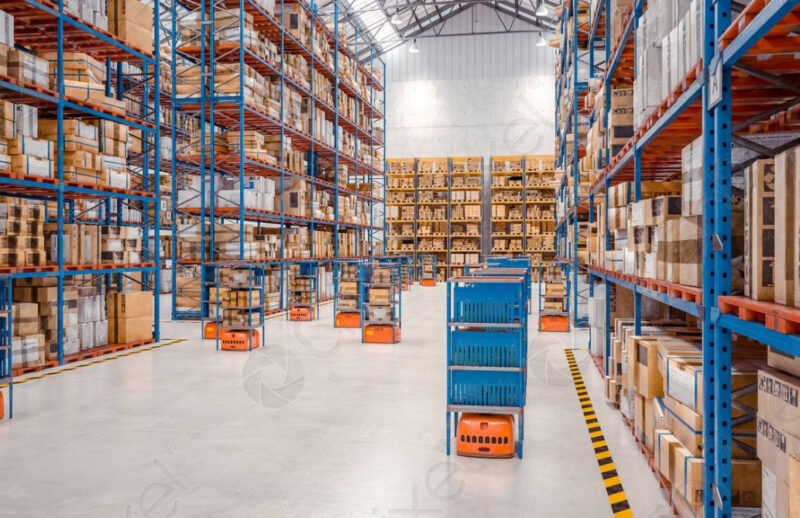
The steps to build an effective automated warehouse include:
- Planning: Determine storage needs, warehouse scale, and types of goods.
- Technology selection: Use suitable warehouse robots, automated conveyors, and WMS software.
- System integration: Connect the smart warehouse management system with IoT and AI for real-time tracking.
- Staff training: Provide instructions on system operation and maintenance.
- Periodic inspections: Ensure the industrial automation system operates stably.
An automated warehouse can process thousands of orders per day with high accuracy, operating 24/7. Naltako provides mini cranes to assist in installing equipment within automated warehouses.
>>> Top 3 ways to save on warehouse investment costs you should know
Naltako’s Hydraulic Lifting Solutions for Smart Warehouses
Naltako provides hydraulic lifting equipment to support automated warehouses:
- Hydraulic hand pallet trucks: Flexible in narrow spaces, capacity up to 3 tons.
- Hydraulic lift tables: Handle goods quickly, integrating seamlessly with automated conveyors.
- Freight elevators: Transport goods to high shelves, optimizing space.
- Forklift ramps: Support container loading/unloading, accelerating processing speed.
- Scissor lifts: Access goods safely at heights.
- Tilting lift tables: Handle bulk goods efficiently, reducing operational time.
- Mini cranes: Used for installing and transporting equipment within the warehouse.
These devices increase operational efficiency by 20% when integrated into a smart warehouse. Contact Naltako today via email at info@naltako.vn or hotline 0981.977.898 to receive quotes and consultations on optimal solutions for your automated warehouse!
Nội dung có liên quan:
-
 What is a Mechanical Dock Leveler? How does it differ from a Hydraulic Dock Leveler?
Are you looking for a device to support loading and unloading goods from containers to the warehouse floor that is low-cost, highly durable, and easy to in...
What is a Mechanical Dock Leveler? How does it differ from a Hydraulic Dock Leveler?
Are you looking for a device to support loading and unloading goods from containers to the warehouse floor that is low-cost, highly durable, and easy to in...
-
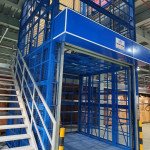 Popular Types of Hydraulic Freight Elevators Today
The role of hydraulic freight elevators in warehouses, production workshops, or construction sites is indisputable. However, the types of hydraulic freight...
Popular Types of Hydraulic Freight Elevators Today
The role of hydraulic freight elevators in warehouses, production workshops, or construction sites is indisputable. However, the types of hydraulic freight...
-
 Safe Working Load in Industrial Lifting and Cargo Handling
In the modern industrial and logistics environment, lifting and cargo handling activities take place continuously with large volumes and high frequencies. ...
Safe Working Load in Industrial Lifting and Cargo Handling
In the modern industrial and logistics environment, lifting and cargo handling activities take place continuously with large volumes and high frequencies. ...
-
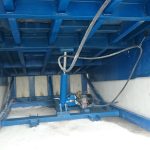 The Differences Between Mechanical Dock Levelers and Hydraulic Dock Levelers
The difference between hydraulic dock levelers and mechanical dock levelers is very clear – Hydraulic dock levelers operate automatically with a push of a ...
The Differences Between Mechanical Dock Levelers and Hydraulic Dock Levelers
The difference between hydraulic dock levelers and mechanical dock levelers is very clear – Hydraulic dock levelers operate automatically with a push of a ...
-
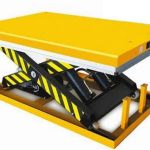 What Should You Consider When Buying a 700kg Hydraulic Lift Table?
The 700kg hydraulic lift table is a popular tool widely used in production workshops and warehouses. With a lifting capacity of 700kg, this hydraulic lift ...
What Should You Consider When Buying a 700kg Hydraulic Lift Table?
The 700kg hydraulic lift table is a popular tool widely used in production workshops and warehouses. With a lifting capacity of 700kg, this hydraulic lift ...
-
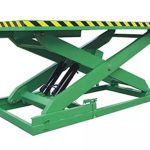 When Should You Use a 1000kg Hydraulic Lift Table?
Are you running a business in a warehouse or workshop that isn't too large and feeling that work efficiency hasn't reached your expectations? Are you looki...
When Should You Use a 1000kg Hydraulic Lift Table?
Are you running a business in a warehouse or workshop that isn't too large and feeling that work efficiency hasn't reached your expectations? Are you looki...
-
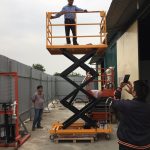 Advantages of 500kg Manual Lift Tables You Should Know
Are you looking to buy a medium-duty manual hydraulic lift table for home use? Is your work frequency intermittent, and are you looking for a product with ...
Advantages of 500kg Manual Lift Tables You Should Know
Are you looking to buy a medium-duty manual hydraulic lift table for home use? Is your work frequency intermittent, and are you looking for a product with ...
-
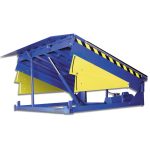 A Guide to Choosing High-Quality Hydraulic Dock Levelers Today
Hydraulic Dock Levelers are among the essential support devices for many fields and industries. Thanks to this product, the transport and storage of goods ...
A Guide to Choosing High-Quality Hydraulic Dock Levelers Today
Hydraulic Dock Levelers are among the essential support devices for many fields and industries. Thanks to this product, the transport and storage of goods ...