

 Tiếng Việt
What is a chain connector? Where to buy reliable chain connectors at the best prices?
Connecting links are crucial devices in lifting and anchoring systems, ensuring safe and solid connections for industrial chains. At Naltako, we introduce connecting links as an effective solution, complementing equipment such as scissor lifts and mini cranes, helping to optimize work performance. Serving to connect chains or attach chains to crane hooks, connecting links are widely applied in construction, seaports, and industry. Let’s explore details about connecting links and solutions from Naltako in the article below.
What Is a Connecting Link? What Is Its Structure?
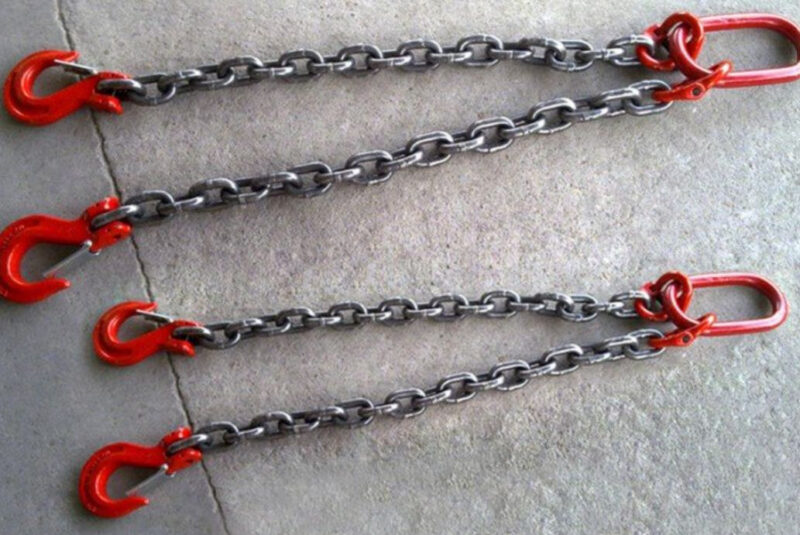
A connecting link, also known as a coupling link or butterfly link, is a device used to connect segments of industrial chain or connect chains with accessories such as crane hooks and shackles. The structure includes:
- Body (Halves): Usually C-shaped or a solid circle, cast from alloy steel or stainless steel, with high load-bearing capacity.
- Load pin or locking stud: Secures the chain ends, ensuring a solid connection, and can be easily disassembled.
Connecting links play an important role in industrial lifting systems, such as lifting heavy objects, anchoring roads and bridges, or securing goods. Cast from solid alloy steel, connecting links ensure sturdiness and safety, according to EN 1677 standards.
Which Types of Connecting Links Are Popular on the Market?
There are many types of connecting links, meeting diverse needs in industrial chain installation accessories:
- 2-ton, 5-ton, 10-ton connecting links: Suitable for lifting heavy objects, anchoring electric poles.
- KBC, Kawasaki, Dowson connecting links: High quality, meeting international standards, load capacity from 1 to 30 tons.
- Alloy steel connecting links: Popular in construction, seaports, reasonable price.
- SUS304, SUS316 stainless steel connecting links: Corrosion-resistant, used in chemical environments, seawater.
What Is the Correct Technique for Using Coupling Links?
To use coupling links safely and effectively, correct technique is required:
- Open the link by removing the pin or stud, ensuring the body is clean.
- Place the chain end or crane hook into the body, aligning accurately.
- Close the link, tighten the pin or stud with a torque wrench, check for tightness.
- Test with a light load before operation to ensure a safe connection.
Safety notes:
- Do not exceed the rated load of the connecting link (e.g., 5 tons, 10 tons).
- Check periodically every 3-6 months to detect wear or rust.
- Use self-locking coupling links to increase safety and avoid detachment.
How Are Stainless Steel and Steel Connecting Links Different?
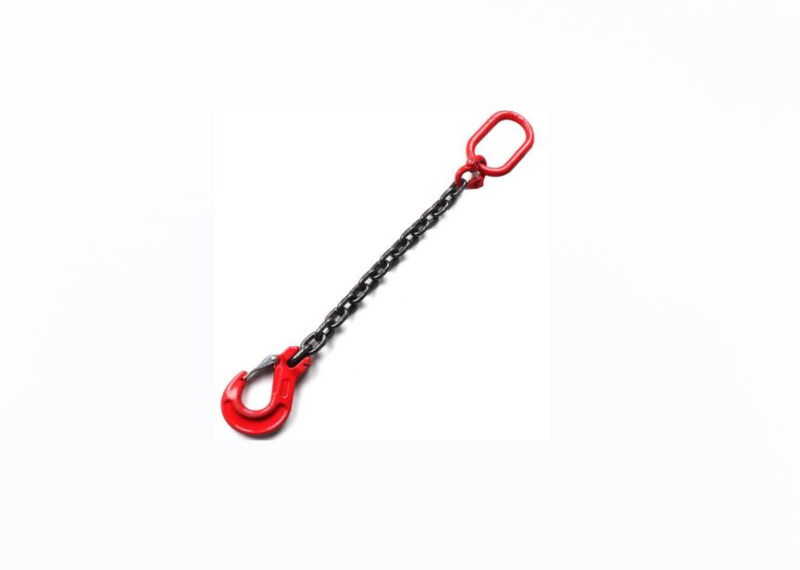
Stainless steel connecting links (SUS304, SUS316) and alloy steel connecting links differ in material, application, and durability:
- Material:
- Alloy steel: Solid cast, high load-bearing, cheap, suitable for industrial lifting.
- SUS304 Stainless Steel: Corrosion-resistant, shiny surface, used in telecommunications, decoration.
- SUS316 Stainless Steel: Withstands chemical environments and seawater better than SUS304, used for seaports.
- Corrosion resistance:
- Alloy steel: Anti-rust paint or galvanized, durable for 5-7 years outdoors.
- SUS304/SUS316 Stainless Steel: Lifespan 10-15 years, no oxidation, according to ASTM A240 standards.
- Durability: Alloy steel withstands larger loads, stainless steel prioritizes corrosion resistance.
- Application: Alloy steel for roads, bridges, factories; stainless steel for harsh environments, interior decoration.
Where to Buy Reputable, Good-Priced Connecting Links?
Naltako introduces connecting links as a quality chain connecting solution, distributed through reputable suppliers. Types of alloy steel coupling links, SUS304 stainless steel connecting links, 5-ton, 10-ton connecting links range in price from 100,000₫ to 2,000,000₫, depending on load and material. Benefits of connecting links:
- High quality: Meeting EN 1677 standards, good load-bearing, high durability.
- Diverse applications: Supporting anchoring, lifting, combining with Naltako’s tilting lift tables.
- In-depth consulting: Naltako provides detailed information to choose suitable connecting links.
With many years of experience in hydraulic lifting equipment, Naltako helps customers understand the benefits of connecting links when combined with products such as scissor lifts. Compared to other suppliers, Naltako brings dedicated advice, helping to find genuine, good-priced supply sources.
Looking for reputable connecting links? Contact immediately via email info@naltako.vn or number 0981.977.898 for Naltako consultation!
Nội dung có liên quan:
-
 What is a Mechanical Dock Leveler? How does it differ from a Hydraulic Dock Leveler?
Are you looking for a device to support loading and unloading goods from containers to the warehouse floor that is low-cost, highly durable, and easy to in...
What is a Mechanical Dock Leveler? How does it differ from a Hydraulic Dock Leveler?
Are you looking for a device to support loading and unloading goods from containers to the warehouse floor that is low-cost, highly durable, and easy to in...
-
 Popular Types of Hydraulic Freight Elevators Today
The role of hydraulic freight elevators in warehouses, production workshops, or construction sites is indisputable. However, the types of hydraulic freight...
Popular Types of Hydraulic Freight Elevators Today
The role of hydraulic freight elevators in warehouses, production workshops, or construction sites is indisputable. However, the types of hydraulic freight...
-
 Safe Working Load in Industrial Lifting and Cargo Handling
In the modern industrial and logistics environment, lifting and cargo handling activities take place continuously with large volumes and high frequencies. ...
Safe Working Load in Industrial Lifting and Cargo Handling
In the modern industrial and logistics environment, lifting and cargo handling activities take place continuously with large volumes and high frequencies. ...
-
 The Differences Between Mechanical Dock Levelers and Hydraulic Dock Levelers
The difference between hydraulic dock levelers and mechanical dock levelers is very clear – Hydraulic dock levelers operate automatically with a push of a ...
The Differences Between Mechanical Dock Levelers and Hydraulic Dock Levelers
The difference between hydraulic dock levelers and mechanical dock levelers is very clear – Hydraulic dock levelers operate automatically with a push of a ...
-
 What Should You Consider When Buying a 700kg Hydraulic Lift Table?
The 700kg hydraulic lift table is a popular tool widely used in production workshops and warehouses. With a lifting capacity of 700kg, this hydraulic lift ...
What Should You Consider When Buying a 700kg Hydraulic Lift Table?
The 700kg hydraulic lift table is a popular tool widely used in production workshops and warehouses. With a lifting capacity of 700kg, this hydraulic lift ...
-
 When Should You Use a 1000kg Hydraulic Lift Table?
Are you running a business in a warehouse or workshop that isn't too large and feeling that work efficiency hasn't reached your expectations? Are you looki...
When Should You Use a 1000kg Hydraulic Lift Table?
Are you running a business in a warehouse or workshop that isn't too large and feeling that work efficiency hasn't reached your expectations? Are you looki...
-
 Advantages of 500kg Manual Lift Tables You Should Know
Are you looking to buy a medium-duty manual hydraulic lift table for home use? Is your work frequency intermittent, and are you looking for a product with ...
Advantages of 500kg Manual Lift Tables You Should Know
Are you looking to buy a medium-duty manual hydraulic lift table for home use? Is your work frequency intermittent, and are you looking for a product with ...
-
 A Guide to Choosing High-Quality Hydraulic Dock Levelers Today
Hydraulic Dock Levelers are among the essential support devices for many fields and industries. Thanks to this product, the transport and storage of goods ...
A Guide to Choosing High-Quality Hydraulic Dock Levelers Today
Hydraulic Dock Levelers are among the essential support devices for many fields and industries. Thanks to this product, the transport and storage of goods ...