

 Tiếng Việt
What Are the Occupational Safety Measures in the Warehouse?
Occupational safety in the warehouse is a core element in warehouse management, ensuring the protection of workers’ health and lives, and maintaining efficient warehouse operations. Hazards such as forklift accidents, racking collapses, or fires and explosions can cause serious damage if not well controlled. Naltako, specializing in providing forklift ramps, offers optimal safety solutions for warehouses. The article below will provide detailed information on measures and regulations to ensure occupational safety in the warehouse.
What is Occupational Safety in the Warehouse?
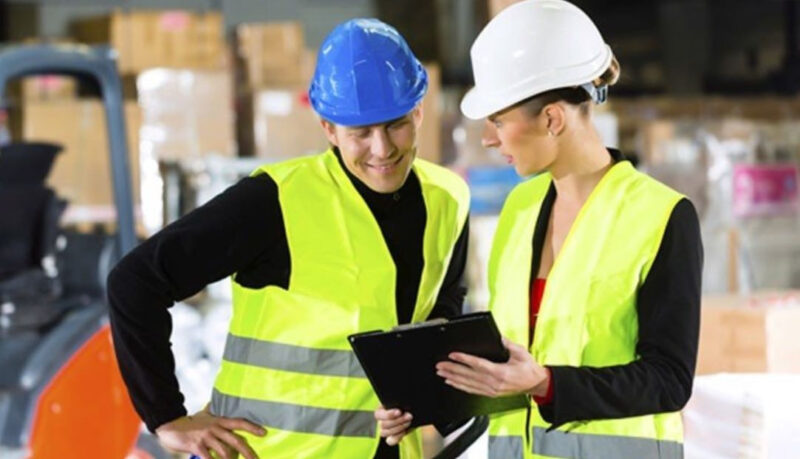
Occupational safety in the warehouse encompasses a set of measures, regulations, and practices aimed at protecting workers from accidents, ensuring goods and equipment operate smoothly in warehouse operations management. Potential hazards include forklift collisions, racking collapses, slips and falls due to slippery floors, or fires and explosions from hazardous chemicals. Implementing safety practices helps minimize risks, increase productivity, and avoid costs arising from accidents. For example, a racking collapse due to overloading can cause severe goods damage and serious injuries.
>>> How to ensure safety during goods loading and unloading?
Occupational Safety Measures in the Warehouse
Measures to ensure occupational safety in the warehouse include:
- Employee training: Organize occupational safety training courses, instructing on the operation of hydraulic hand pallet trucks and risk identification.
- Use of protective equipment: Equip personnel with Personal Protective Equipment (PPE) such as hard hats and safety shoes to reduce the risk of injury.
- Periodic inspections: Maintain hand pallet trucks and racking to ensure there is no damage.
- Scientific warehouse layout: Keep aisles clear in the warehouse, avoid stacking goods too high, and use warehouse safety signs.
What Personal Protective Equipment Should Be Equipped When Working?
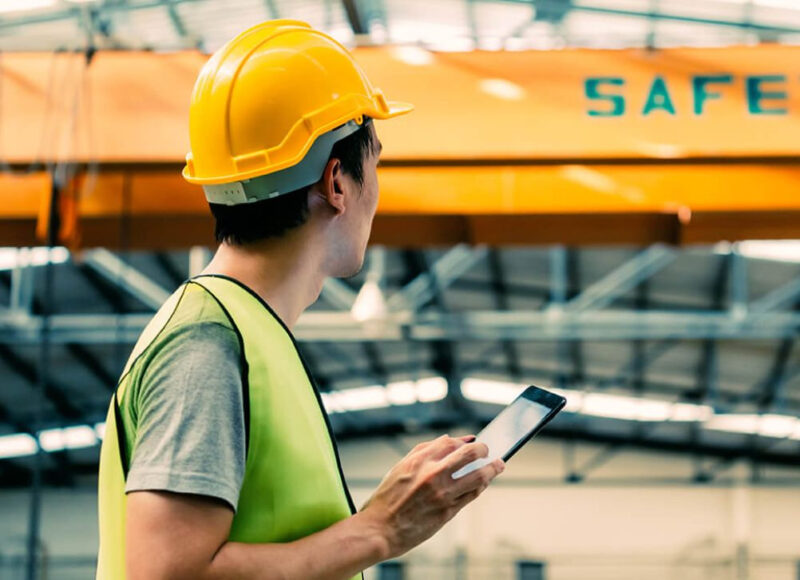
Necessary Personal Protective Equipment (PPE) in the warehouse includes:
- Hard hats: Protect the head from objects falling from racks or collisions.
- Gloves: Prevent scratches and provide protection when handling heavy goods.
- Safety goggles: Avoid dust and debris, especially in warehouses storing hazardous chemicals.
- Safety shoes: Anti-slip, protect feet from heavy objects, suitable when operating hydraulic lift tables.
How to Lift and Lower Goods Safely in the Warehouse?
To lift and lower goods safely in the warehouse, it is necessary to:
- Proper lifting techniques: Bend the knees, keep the back straight, and use thigh strength to reduce pressure on the spine.
- Use support equipment: Hydraulic hand pallet trucks or tilting lift tables help reduce manual labor and prevent injuries.
- Check load capacity: Do not lift goods exceeding the equipment’s capacity, for example, a hand pallet truck has a maximum load of 3 tons.
- Ensure a safe area: Keep aisles clear and use safety signs.
>>> Some forklift safety regulations during operation
Legal Regulations on Warehouse Safety
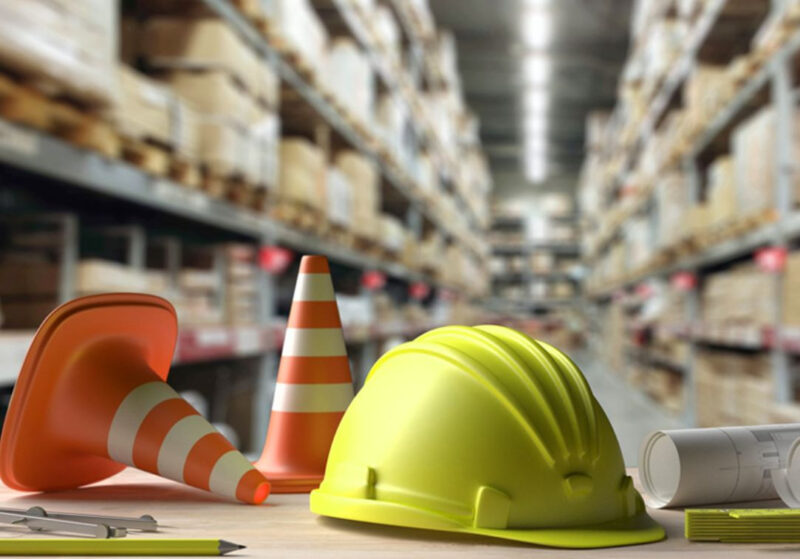
Legal regulations on occupational safety in warehouses in Vietnam include:
- Provision of protective gear: According to Circular 04/2014/TT-BLDTBXH, workers must use personal protective equipment.
- Operating certificates: Operators of hydraulic hand pallet trucks need a safety certificate according to Circular 05/2020/TT-BLDTBXH.
- Fire drill exercises (PCCC): Organize periodic fire prevention and fighting training, and equip fire extinguishers according to Decree 136/2020/ND-CP.
- Risk inspection: Conduct periodic assessments of warehouse racking and lifting equipment.
Compliance with the law helps reduce accident-related costs by 15%. Naltako provides hydraulic lift tables that meet occupational safety standards. Contact Naltako at 0981.977.898 for consultations on equipment meeting occupational safety standards!
Nội dung có liên quan:
-
 What is a Mechanical Dock Leveler? How does it differ from a Hydraulic Dock Leveler?
Are you looking for a device to support loading and unloading goods from containers to the warehouse floor that is low-cost, highly durable, and easy to in...
What is a Mechanical Dock Leveler? How does it differ from a Hydraulic Dock Leveler?
Are you looking for a device to support loading and unloading goods from containers to the warehouse floor that is low-cost, highly durable, and easy to in...
-
 Popular Types of Hydraulic Freight Elevators Today
The role of hydraulic freight elevators in warehouses, production workshops, or construction sites is indisputable. However, the types of hydraulic freight...
Popular Types of Hydraulic Freight Elevators Today
The role of hydraulic freight elevators in warehouses, production workshops, or construction sites is indisputable. However, the types of hydraulic freight...
-
 Safe Working Load in Industrial Lifting and Cargo Handling
In the modern industrial and logistics environment, lifting and cargo handling activities take place continuously with large volumes and high frequencies. ...
Safe Working Load in Industrial Lifting and Cargo Handling
In the modern industrial and logistics environment, lifting and cargo handling activities take place continuously with large volumes and high frequencies. ...
-
 The Differences Between Mechanical Dock Levelers and Hydraulic Dock Levelers
The difference between hydraulic dock levelers and mechanical dock levelers is very clear – Hydraulic dock levelers operate automatically with a push of a ...
The Differences Between Mechanical Dock Levelers and Hydraulic Dock Levelers
The difference between hydraulic dock levelers and mechanical dock levelers is very clear – Hydraulic dock levelers operate automatically with a push of a ...
-
 What Should You Consider When Buying a 700kg Hydraulic Lift Table?
The 700kg hydraulic lift table is a popular tool widely used in production workshops and warehouses. With a lifting capacity of 700kg, this hydraulic lift ...
What Should You Consider When Buying a 700kg Hydraulic Lift Table?
The 700kg hydraulic lift table is a popular tool widely used in production workshops and warehouses. With a lifting capacity of 700kg, this hydraulic lift ...
-
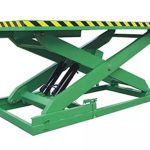 When Should You Use a 1000kg Hydraulic Lift Table?
Are you running a business in a warehouse or workshop that isn't too large and feeling that work efficiency hasn't reached your expectations? Are you looki...
When Should You Use a 1000kg Hydraulic Lift Table?
Are you running a business in a warehouse or workshop that isn't too large and feeling that work efficiency hasn't reached your expectations? Are you looki...
-
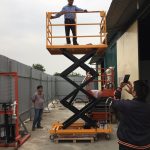 Advantages of 500kg Manual Lift Tables You Should Know
Are you looking to buy a medium-duty manual hydraulic lift table for home use? Is your work frequency intermittent, and are you looking for a product with ...
Advantages of 500kg Manual Lift Tables You Should Know
Are you looking to buy a medium-duty manual hydraulic lift table for home use? Is your work frequency intermittent, and are you looking for a product with ...
-
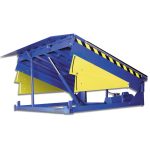 A Guide to Choosing High-Quality Hydraulic Dock Levelers Today
Hydraulic Dock Levelers are among the essential support devices for many fields and industries. Thanks to this product, the transport and storage of goods ...
A Guide to Choosing High-Quality Hydraulic Dock Levelers Today
Hydraulic Dock Levelers are among the essential support devices for many fields and industries. Thanks to this product, the transport and storage of goods ...