

 Tiếng Việt
Top 3 Ways to Save Warehouse Investment Costs You Should Know
Warehousing investment costs are among the largest expenses, directly affecting business efficiency. A well-designed and efficiently operated warehouse system not only helps optimize storage space but also significantly minimizes costs, thereby increasing profits. This article will share 3 ways to save on warehouse investment costs, helping you have a smoothly operating warehouse system at the most reasonable cost.
Why is it necessary to save on warehouse investment costs?
Warehouse investment costs are not just the initial amount to build or rent a warehouse, but also include many costs incurred during operation such as labor, electricity, water, maintenance, and management costs. If not strictly controlled, these costs can become a financial burden, reducing the competitive advantage of the business.
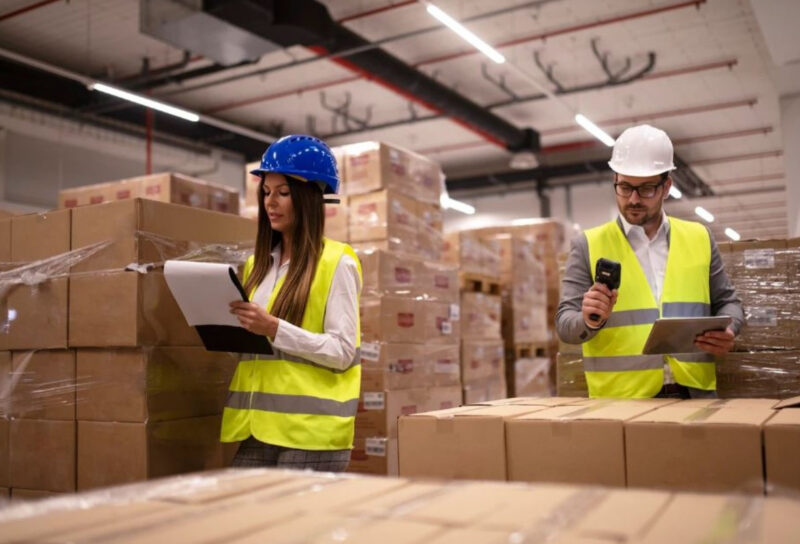
One of the most important reasons to save on warehouse investment costs is to free up capital, from which businesses can reinvest in other core activities such as marketing, research, and new product development. Furthermore, optimizing warehousing costs also helps increase operational efficiency, minimize risks of goods loss, and improve customer satisfaction thanks to rapid and accurate import/export processes. Therefore, finding solutions to save on warehouse investment costs is a strategic task, bringing long-term benefits for the sustainable development of the business.
3 effective ways to save warehouse investment costs
Optimize costs from warehouse labor
Labor costs often account for a large portion of total warehouse operating costs. To minimize this expense, businesses can apply the following methods:
- Train multi-skilled employees: Instead of focusing on just one job, training warehouse staff to take on many different positions such as receiving, shipping, arranging, and inventorying will help increase work performance and reduce the number of personnel needed.
- Apply automation technology: Using a warehouse management system (WMS) and automated equipment such as conveyor belts, automated guided vehicles (AGV) can replace part of manual work, helping reduce dependence on human labor.
- Arrange scientific work schedules: Reasonable shift scheduling, especially during peak seasons, ensures goods are processed in a timely manner without having to hire temporary staff at high costs.
These solutions not only help save warehouse investment costs from the labor aspect but also improve the working environment and minimize errors due to human factors.
Choose a warehouse suitable for the business
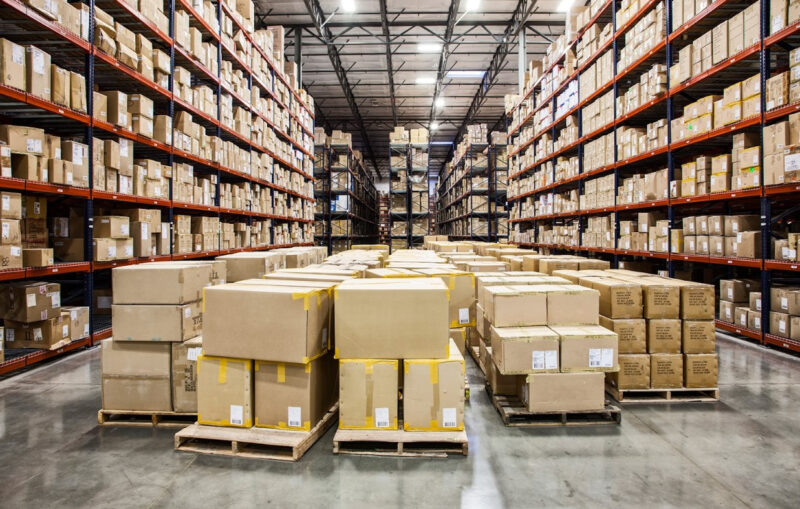
Choosing a warehouse is not only based on location but also needs to consider many other factors to ensure efficiency and economy. Here are some suggestions:
- Self-built or rented warehouse?: For large and stable businesses, self-building a warehouse can bring long-term benefits. However, for startups or growing businesses, renting a warehouse is a more flexible option, helping reduce the burden of initial investment capital and easily change scale when needed.
- Bonded warehouse or standard warehouse?: Bonded warehouses are suitable for import-export businesses, helping store goods that have not yet undergone customs procedures, thereby optimizing cash flow. Standard warehouses are suitable for domestic distribution businesses.
- Warehouse location: Choosing a warehouse location near main traffic routes, near ports or airports will help save transportation costs, shorten delivery times, and improve competitiveness.
Thoroughly evaluating these factors will help businesses make the right decisions, thereby enabling them to save warehouse investment costs most effectively.
Use modern lifting equipment and technology to make the process of transporting goods in the warehouse easier
This is one of the key solutions to optimize space and work productivity. For warehouses with narrow aisles, using specialized equipment is extremely necessary.
- Reach truck: This line of vehicles has the ability to reach out far to pick and place pallets, ideal for working in narrow aisles and high shelves.
- Low pallet truck: Hydraulic hand pallet truck is compact, flexible, suitable for small and medium-sized warehouses, helping to move and lift pallets easily.
- 3-wheel electric forklift: With a compact design, the 3-wheel electric forklift has flexible turning ability, suitable for warehouse areas with limited space.
Besides lifting equipment, applying digital technology such as WMS systems, barcodes, and RFID also plays an important role in automating the warehouse management process, thereby helping save warehouse investment costs significantly. These technologies help track inventory in real-time, minimize errors, and increase order processing speed.
>>> What is an automated warehouse? Outstanding benefits of automated warehouses
Conclusion
In the modern business context, managing and optimizing warehouse investment costs is no longer a choice but has become a mandatory requirement. By applying comprehensive solutions from optimizing personnel, choosing suitable warehouses to investing in modern equipment and technology, businesses can significantly minimize unnecessary costs, improve operational efficiency, and strengthen their competitive position in the market.
Naltako believes that the above information will be a useful guideline, helping your business find the right path to optimize and save warehouse investment costs smartly and effectively.
Nội dung có liên quan:
-
 Should You Use a Mini Hydraulic Lift Table?
A lift table is a very useful device for warehouses and workshops. They are used to transport goods as quickly as possible. Among the many types of lift ta...
Should You Use a Mini Hydraulic Lift Table?
A lift table is a very useful device for warehouses and workshops. They are used to transport goods as quickly as possible. Among the many types of lift ta...
-
 Choosing Between Hydraulic Dock Levelers or Forklift Ramps for Cargo Handling?
Currently in Vietnam, businesses are applying many different methods to carry out import and export operations. Some businesses continue to follow traditio...
Choosing Between Hydraulic Dock Levelers or Forklift Ramps for Cargo Handling?
Currently in Vietnam, businesses are applying many different methods to carry out import and export operations. Some businesses continue to follow traditio...
-
 What is a Loading Dock? What does a Loading Dock system include?
Is your business facing difficulties in transporting goods? Is loading and unloading taking too much time and increasing costs? Have you researched solutio...
What is a Loading Dock? What does a Loading Dock system include?
Is your business facing difficulties in transporting goods? Is loading and unloading taking too much time and increasing costs? Have you researched solutio...
-
 Hydraulic Cylinder Structure, Specifications, and Operating Principles
Hydraulic cylinders, also known as hydraulic rams, are one of the most critical components in a hydraulic system. They have the ability to convert hydrauli...
Hydraulic Cylinder Structure, Specifications, and Operating Principles
Hydraulic cylinders, also known as hydraulic rams, are one of the most critical components in a hydraulic system. They have the ability to convert hydrauli...
-
 Differences Between Freight Elevators and Goods Hoists
Choosing between a freight elevator and a goods hoist is always a difficult puzzle for many businesses. Understanding this, Naltako will help you solve the...
Differences Between Freight Elevators and Goods Hoists
Choosing between a freight elevator and a goods hoist is always a difficult puzzle for many businesses. Understanding this, Naltako will help you solve the...
-
 Hydraulics: Concept, Structure, and Basic Operating Principles
Hydraulics is a vital technology, widely used in modern life. From industrial machinery like dock levelers to vehicles, this system plays an indispensable ...
Hydraulics: Concept, Structure, and Basic Operating Principles
Hydraulics is a vital technology, widely used in modern life. From industrial machinery like dock levelers to vehicles, this system plays an indispensable ...
-
 Dock Shelter and Dock Leveler: The Perfect Combination for Your Warehouse
Is your warehouse operating inefficiently, with high risks of cargo damage and low productivity? Don't worry, the optimal solution is here! The combination...
Dock Shelter and Dock Leveler: The Perfect Combination for Your Warehouse
Is your warehouse operating inefficiently, with high risks of cargo damage and low productivity? Don't worry, the optimal solution is here! The combination...
-
 What is a Raised Floor? What are the components of its structure?
Raised floors, hydraulic dock levelers, and access floors are popular types of flooring widely used in modern construction engineering today. To learn deta...
What is a Raised Floor? What are the components of its structure?
Raised floors, hydraulic dock levelers, and access floors are popular types of flooring widely used in modern construction engineering today. To learn deta...