

 Tiếng Việt
The Logistics Process and Its Role in the Supply Chain
The logistics process is a core chain of activities within the logistics system, ensuring goods are efficiently transported and stored from the point of origin to the point of consumption. This is a key factor helping businesses optimize the supply chain and reduce operational costs. Naltako, specializing in providing forklift ramps, offers lifting solutions that support the freight transport process. The article below will analyze in detail the steps and technologies in the logistics process.
What is the Logistics Process and Its Crucial Role?
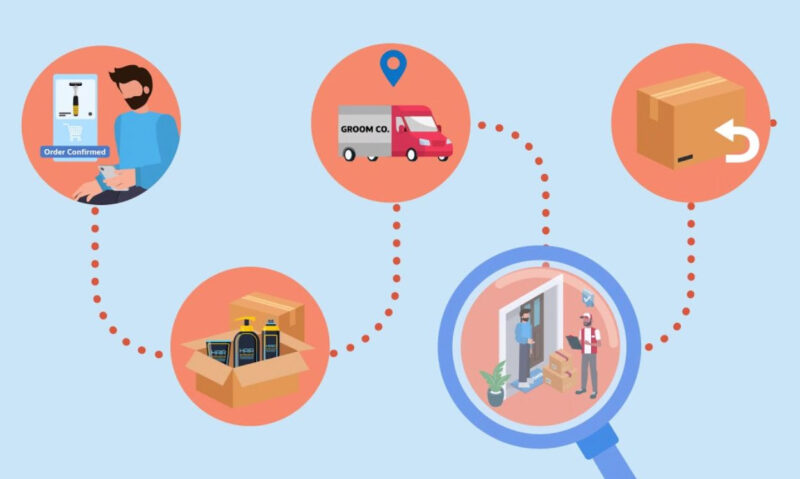
The logistics process is a set of activities ranging from planning, transportation, and storage to delivery, aimed at bringing goods to the right place at the right time with optimal costs in supply chain management. The roles of logistics include:
- Ensuring fast and accurate transportation of goods.
- Optimizing costs through freight negotiation and effective warehouse management.
- Supporting transport management and ensuring goods quality.
- Increasing customer satisfaction through on-time delivery.
Logistics operations help businesses compete in a globalized environment. For example, an export shipment requires accurate customs procedures and a bill of lading to avoid delays.
Basic Steps in the Logistics Process
The logistics process consists of 8 basic steps:
- Receiving requests: Identifying transportation requirements from customers.
- Freight negotiation: Negotiating with the transport unit and confirming the bill of lading number.
- Document preparation: Completing export-import documentation, including original bills and invoices.
- Loading and unloading: Using hydraulic pallet jacks to load goods onto vehicles.
- Transportation of goods: Executing door-to-door or multimodal transport.
- Customs procedures: Paying taxes and customs fees, ensuring regulatory compliance.
- Sending original bills: Transferring the bill of lading to the importer/exporter.
- Document archiving: Keeping export-import records to handle potential issues.
Each step requires close coordination to avoid errors; for example, customs delays can increase costs by 10%.
Effective Warehouse Management Process in Logistics
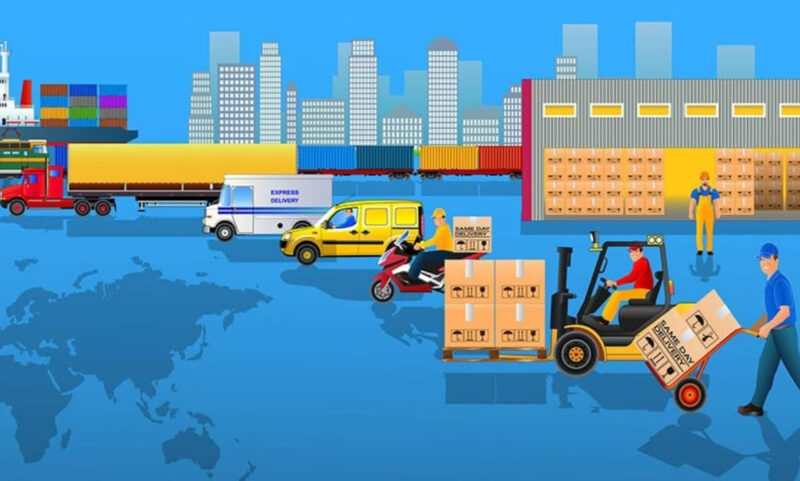
The warehouse management process in logistics consists of 6 steps:
- Receiving goods: Inspecting and scanning goods pallet barcodes upon warehousing.
- Put-away: Using hydraulic lift tables to stack goods on racks.
- Storage: Optimizing space and tracking via a Warehouse Management System (WMS).
- Order picking: Retrieving goods according to orders, using scissor lifts at heights.
- Packing: Packing securely to ensure goods quality.
- Shipping: Moving goods to the outbound area using forklift ramps.
Optimizing warehouse management helps reduce storage costs and errors by 20%. Naltako provides tilting lift tables to support bulk handling in warehousing.
4PL Logistics and Its Role in the Supply Chain
4PL (Fourth-Party Logistics) is an outsourcing model for managing the entire supply chain, unlike 3PL which only provides transport and warehousing services. The roles of 4PL include:
- Comprehensive management: Coordinating from production to delivery, integrating smart supply chains.
- Optimization: Using data to reduce costs and increase efficiency.
- Customized solutions: Suitable for large enterprises, such as e-commerce.
What is an automated warehouse? Outstanding benefits of automated warehouses
Optimizing Logistics Processes with Modern Technology
Industry 4.0 technology elevates the logistics process:
- AI: Forecasting demand and optimizing vehicle routing, reducing fuel costs by 10%.
- IoT: Tracking orders in real-time through secure IoT systems.
- ICT: Integrating data among parties in multimodal transport.
- Cyber-physical systems (CPS): Transforming physical logistics into digital systems, increasing accuracy.
Logistics data security ensures information safety, especially with routing optimization algorithms.
Naltako’s Hydraulic Lifting Solutions for Logistics
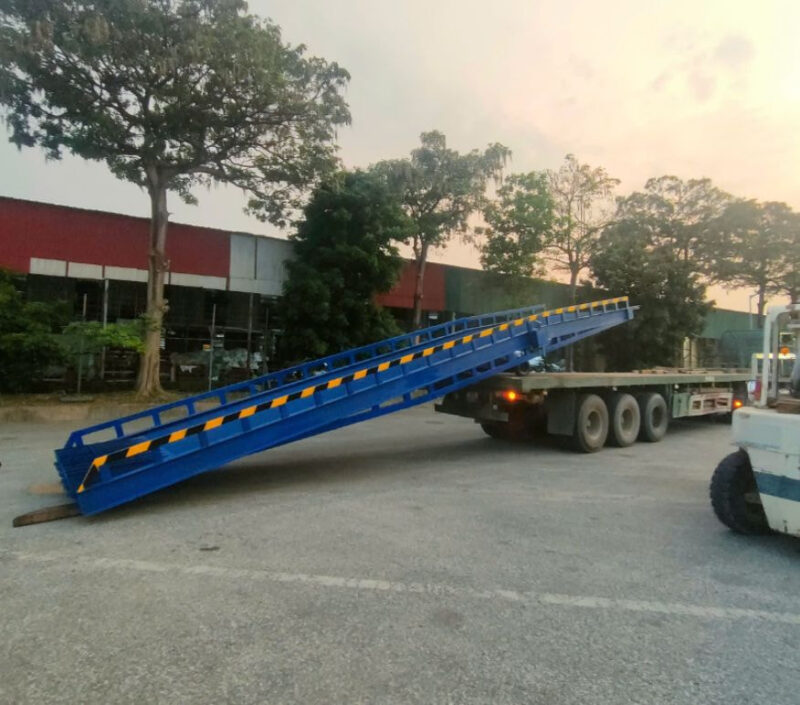
Naltako provides hydraulic lifting equipment to support the logistics process:
- Hydraulic pallet jacks: Capacity up to 3 tons, flexible in narrow warehouses.
- Hydraulic lift tables: Handle goods quickly, reducing loading and unloading time.
- Freight elevators: Transport goods to high shelves, optimizing space.
- Forklift ramps: Support container loading/unloading, accelerating logistics.
- Scissor lifts: Safely access goods at heights.
- Tilting lift tables: Handle bulk goods efficiently, reducing labor costs.
- Mini cranes: Support lifting heavy goods in door-to-door transport.
These devices increase loading, unloading, and transportation efficiency by 25%. Contact Naltako now via hotline 0981.977.898 or email info@naltako.vn to get consultations on optimal solutions for your logistics process!
Nội dung có liên quan:
-
 What is a Mechanical Dock Leveler? How does it differ from a Hydraulic Dock Leveler?
Are you looking for a device to support loading and unloading goods from containers to the warehouse floor that is low-cost, highly durable, and easy to in...
What is a Mechanical Dock Leveler? How does it differ from a Hydraulic Dock Leveler?
Are you looking for a device to support loading and unloading goods from containers to the warehouse floor that is low-cost, highly durable, and easy to in...
-
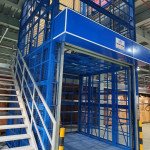 Popular Types of Hydraulic Freight Elevators Today
The role of hydraulic freight elevators in warehouses, production workshops, or construction sites is indisputable. However, the types of hydraulic freight...
Popular Types of Hydraulic Freight Elevators Today
The role of hydraulic freight elevators in warehouses, production workshops, or construction sites is indisputable. However, the types of hydraulic freight...
-
 Safe Working Load in Industrial Lifting and Cargo Handling
In the modern industrial and logistics environment, lifting and cargo handling activities take place continuously with large volumes and high frequencies. ...
Safe Working Load in Industrial Lifting and Cargo Handling
In the modern industrial and logistics environment, lifting and cargo handling activities take place continuously with large volumes and high frequencies. ...
-
 The Differences Between Mechanical Dock Levelers and Hydraulic Dock Levelers
The difference between hydraulic dock levelers and mechanical dock levelers is very clear – Hydraulic dock levelers operate automatically with a push of a ...
The Differences Between Mechanical Dock Levelers and Hydraulic Dock Levelers
The difference between hydraulic dock levelers and mechanical dock levelers is very clear – Hydraulic dock levelers operate automatically with a push of a ...
-
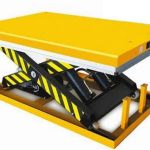 What Should You Consider When Buying a 700kg Hydraulic Lift Table?
The 700kg hydraulic lift table is a popular tool widely used in production workshops and warehouses. With a lifting capacity of 700kg, this hydraulic lift ...
What Should You Consider When Buying a 700kg Hydraulic Lift Table?
The 700kg hydraulic lift table is a popular tool widely used in production workshops and warehouses. With a lifting capacity of 700kg, this hydraulic lift ...
-
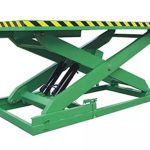 When Should You Use a 1000kg Hydraulic Lift Table?
Are you running a business in a warehouse or workshop that isn't too large and feeling that work efficiency hasn't reached your expectations? Are you looki...
When Should You Use a 1000kg Hydraulic Lift Table?
Are you running a business in a warehouse or workshop that isn't too large and feeling that work efficiency hasn't reached your expectations? Are you looki...
-
 Advantages of 500kg Manual Lift Tables You Should Know
Are you looking to buy a medium-duty manual hydraulic lift table for home use? Is your work frequency intermittent, and are you looking for a product with ...
Advantages of 500kg Manual Lift Tables You Should Know
Are you looking to buy a medium-duty manual hydraulic lift table for home use? Is your work frequency intermittent, and are you looking for a product with ...
-
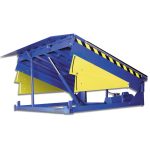 A Guide to Choosing High-Quality Hydraulic Dock Levelers Today
Hydraulic Dock Levelers are among the essential support devices for many fields and industries. Thanks to this product, the transport and storage of goods ...
A Guide to Choosing High-Quality Hydraulic Dock Levelers Today
Hydraulic Dock Levelers are among the essential support devices for many fields and industries. Thanks to this product, the transport and storage of goods ...