

 Tiếng Việt
The Difference Between a Factory and a Workshop
Factories and workshops are two vital pillars of industrial production, playing a key role in manufacturing, processing, and storing goods. Each has its own characteristics, suited to different production needs, from large-scale operations to specialized stages. Naltako, a leading provider of lifting equipment, offers optimal solutions such as high-lift hand pallet trucks and hydraulic lift tables to enhance operational efficiency. This article will analyze the differences, roles, and ways to optimize factories and workshops in production.
How Do Factories and Workshops Differ?
A factory is a large-scale production facility where complex stages such as manufacturing, assembly, repair, and machinery maintenance are carried out. Meanwhile, a workshop is typically smaller, focusing on processing, assembly, or goods storage. According to a report by CBRE Vietnam, factories have an average area starting from 10,000m², suitable for industries like automotive or electronics manufacturing, while workshops range from 1,000 to 5,000m², serving specific stages such as mechanics or packaging.
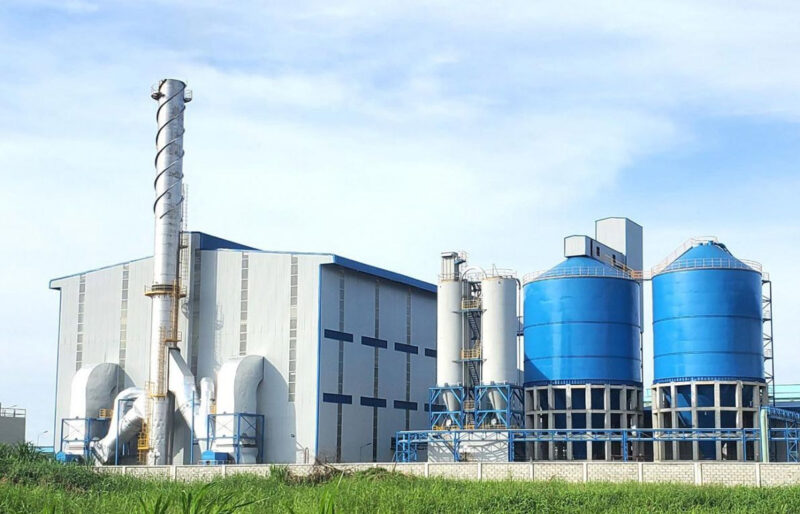
The main difference lies in scale and operational scope: a factory integrates multiple stages, from raw materials to finished products, whereas a workshop usually handles only a portion of the process. For example, a car manufacturing factory includes both assembly lines and quality inspections, while a mechanical workshop only processes components.
The Role of Factories and Workshops in Production
Factories and workshops are the centers of industrial production, playing a vital role in manufacturing products, preserving goods, and supporting the supply chain. Factories ensure a continuous production process, from raw materials to finished goods, while workshops support stages like processing or storage. According to the Ministry of Planning and Investment, industrial zones in Vietnam, with thousands of factories and workshops, have created over 3 million jobs, driving auxiliary industries such as transportation and logistics.
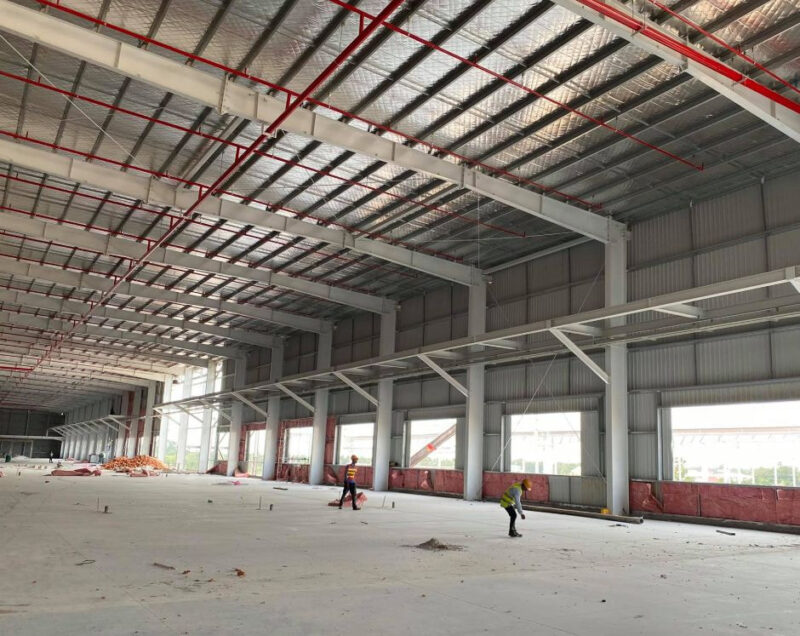
Additionally, factories and workshops contribute to stabilizing supply and meeting market demand. For example, a food processing factory ensures the supply of fresh products, while a goods storage workshop supports e-commerce. Naltako provides hydraulic hand pallet trucks and tilting lift tables, helping to optimize the transportation and arrangement of goods within these facilities.
Common Types of Industrial Workshops
Industrial workshops come in many types, serving different industries:
- Mechanical workshops: Focus on metal processing and component production. According to Savills Vietnam, this type accounts for 40% of the total number of workshops in industrial zones.
- Electronic workshops: Suitable for high-tech component production, requiring a clean environment.
- Storage workshops: Used to preserve products before distribution, common in logistics.
Each type has a specific application. For example, mechanical workshops serve the machinery manufacturing industry, while electronic workshops are used by tech companies like Samsung. Naltako provides mini cranes and hydraulic lift tables, supporting transport and processing within these workshop types, ensuring efficiency and safety.
Visit the Naltako workshop at TDP Phuc Tien, Bien Giang, Ha Dong, Hanoi to explore the lifting equipment suitable for your workshop!
Effective Industrial Workshop Design
Effective industrial workshop design requires compliance with load-bearing, occupational safety standards, and the application of modern technology. A workshop must have a solid steel structure, capable of handling large loads and resisting weather conditions, especially in industries like seafood or chemicals. Current trends involve building multi-story workshops to save space, suitable for e-commerce businesses.
The application of IoT technology helps track production processes in real-time, increasing productivity by 12% and reducing product defects (according to Deloitte USA). For example, workshops in Vietnam have utilized automated robots for stacking goods to optimize space. Naltako provides freight elevators and scissor lifts, helping to transport goods to upper floors and supporting modern workshop design.
Leasing a Workshop or Building Your Own Factory?
The choice between leasing a workshop and building a private factory depends on the budget and business goals. Leasing a workshop saves 30-40% of initial investment costs (according to CBRE Vietnam), suitable for small companies or startups. However, the downside is a lack of process control and long-term leasing costs may increase. Conversely, building a private factory allows for total control over operations but requires significant capital and construction time.
For instance, e-commerce businesses often lease storage workshops for expansion flexibility, while manufacturing groups like VinFast choose to build factories to optimize production lines. Naltako provides forklift ramps and hydraulic lift tables, supporting goods transport in both models to ensure high efficiency.
Nội dung có liên quan:
-
 What is a Mechanical Dock Leveler? How does it differ from a Hydraulic Dock Leveler?
Are you looking for a device to support loading and unloading goods from containers to the warehouse floor that is low-cost, highly durable, and easy to in...
What is a Mechanical Dock Leveler? How does it differ from a Hydraulic Dock Leveler?
Are you looking for a device to support loading and unloading goods from containers to the warehouse floor that is low-cost, highly durable, and easy to in...
-
 Popular Types of Hydraulic Freight Elevators Today
The role of hydraulic freight elevators in warehouses, production workshops, or construction sites is indisputable. However, the types of hydraulic freight...
Popular Types of Hydraulic Freight Elevators Today
The role of hydraulic freight elevators in warehouses, production workshops, or construction sites is indisputable. However, the types of hydraulic freight...
-
 Safe Working Load in Industrial Lifting and Cargo Handling
In the modern industrial and logistics environment, lifting and cargo handling activities take place continuously with large volumes and high frequencies. ...
Safe Working Load in Industrial Lifting and Cargo Handling
In the modern industrial and logistics environment, lifting and cargo handling activities take place continuously with large volumes and high frequencies. ...
-
 The Differences Between Mechanical Dock Levelers and Hydraulic Dock Levelers
The difference between hydraulic dock levelers and mechanical dock levelers is very clear – Hydraulic dock levelers operate automatically with a push of a ...
The Differences Between Mechanical Dock Levelers and Hydraulic Dock Levelers
The difference between hydraulic dock levelers and mechanical dock levelers is very clear – Hydraulic dock levelers operate automatically with a push of a ...
-
 What Should You Consider When Buying a 700kg Hydraulic Lift Table?
The 700kg hydraulic lift table is a popular tool widely used in production workshops and warehouses. With a lifting capacity of 700kg, this hydraulic lift ...
What Should You Consider When Buying a 700kg Hydraulic Lift Table?
The 700kg hydraulic lift table is a popular tool widely used in production workshops and warehouses. With a lifting capacity of 700kg, this hydraulic lift ...
-
 When Should You Use a 1000kg Hydraulic Lift Table?
Are you running a business in a warehouse or workshop that isn't too large and feeling that work efficiency hasn't reached your expectations? Are you looki...
When Should You Use a 1000kg Hydraulic Lift Table?
Are you running a business in a warehouse or workshop that isn't too large and feeling that work efficiency hasn't reached your expectations? Are you looki...
-
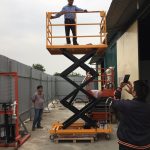 Advantages of 500kg Manual Lift Tables You Should Know
Are you looking to buy a medium-duty manual hydraulic lift table for home use? Is your work frequency intermittent, and are you looking for a product with ...
Advantages of 500kg Manual Lift Tables You Should Know
Are you looking to buy a medium-duty manual hydraulic lift table for home use? Is your work frequency intermittent, and are you looking for a product with ...
-
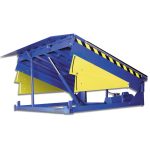 A Guide to Choosing High-Quality Hydraulic Dock Levelers Today
Hydraulic Dock Levelers are among the essential support devices for many fields and industries. Thanks to this product, the transport and storage of goods ...
A Guide to Choosing High-Quality Hydraulic Dock Levelers Today
Hydraulic Dock Levelers are among the essential support devices for many fields and industries. Thanks to this product, the transport and storage of goods ...