

 Tiếng Việt
Safety guide for forklift ramp operation
Cargo loading and unloading activities at container yards always pose many risks of occupational accidents. How can we ensure absolute safety for operators and goods? In this article, we will provide you with a guide on how to use a forklift ramp safely and effectively, along with important notes to ensure labor safety in the yard.
Safe Forklift Ramp Operating Procedure
Step 1: Pre-operational Inspection
Conduct a full inspection of the forklift ramp before operation, ensuring there are no signs of damage, deformation, or leaks (often caused by hydraulic seals).
Following the general inspection, check critical details such as outriggers, wheel systems, hydraulic lifting mechanisms, handrails, and other safety components.
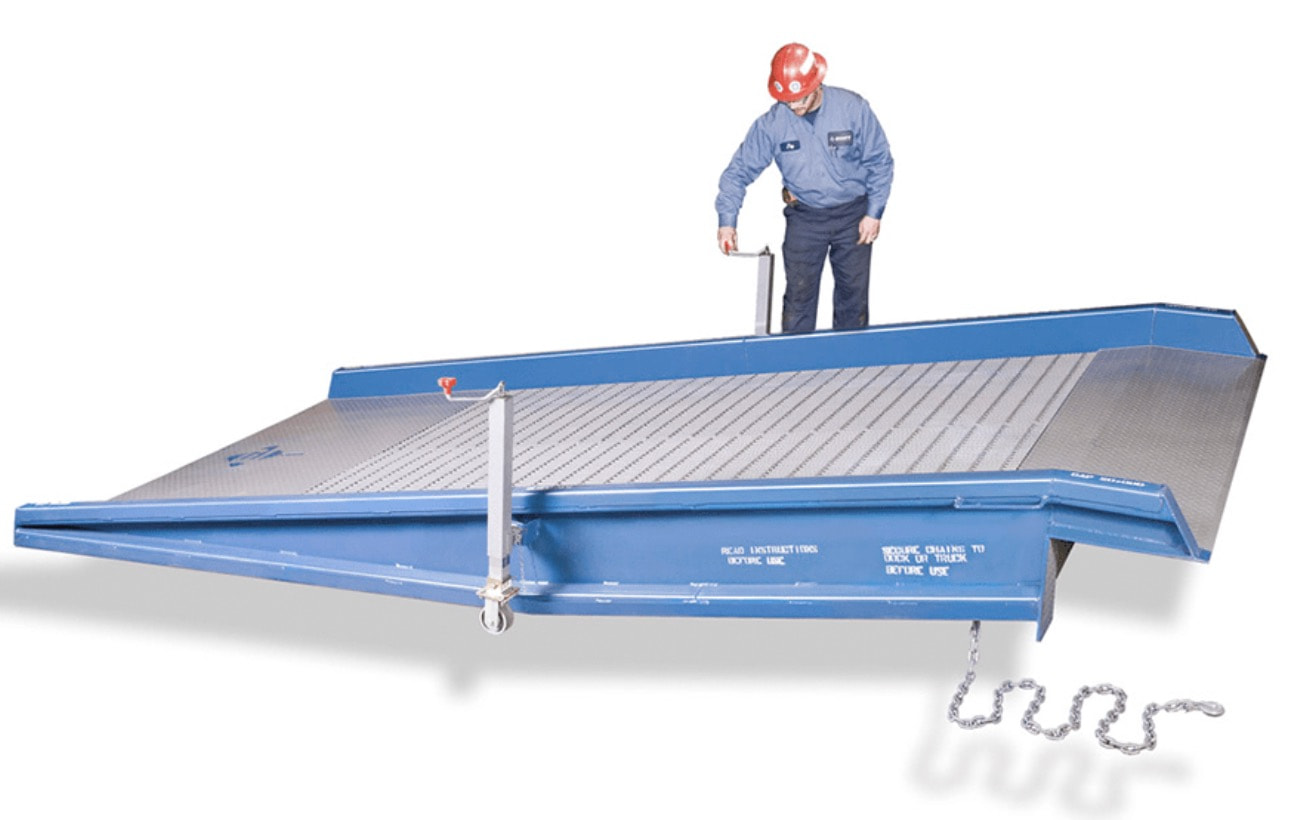
Determine the rated load capacity of the ramp and compare it with the expected cargo weight to ensure it does not exceed the allowable limit.
Check and adjust the slope of the ramp to match the height of the container floor, ensuring a safe inclination angle for the forklift’s movement.
Step 2: Positioning the Ramp
Select a positioning area for the ramp that has a flat, stable surface, free from subsidence or slipperiness.
Ensure the distance between the ramp and the container door is wide enough for the forklift to approach and move smoothly.
Adjust the ramp height so that the top edge is level with the container floor, facilitating easy cargo movement.
Use locking pins or safety chains to securely fix the ramp to the container, preventing movement during operation.
Reference:
What is a Loading Ramp? Applications of Ramps in Goods Transportation
Step 3: Operating the Forklift
Control the forklift to move slowly and steadily onto the ramp, avoiding sudden acceleration or hard braking.
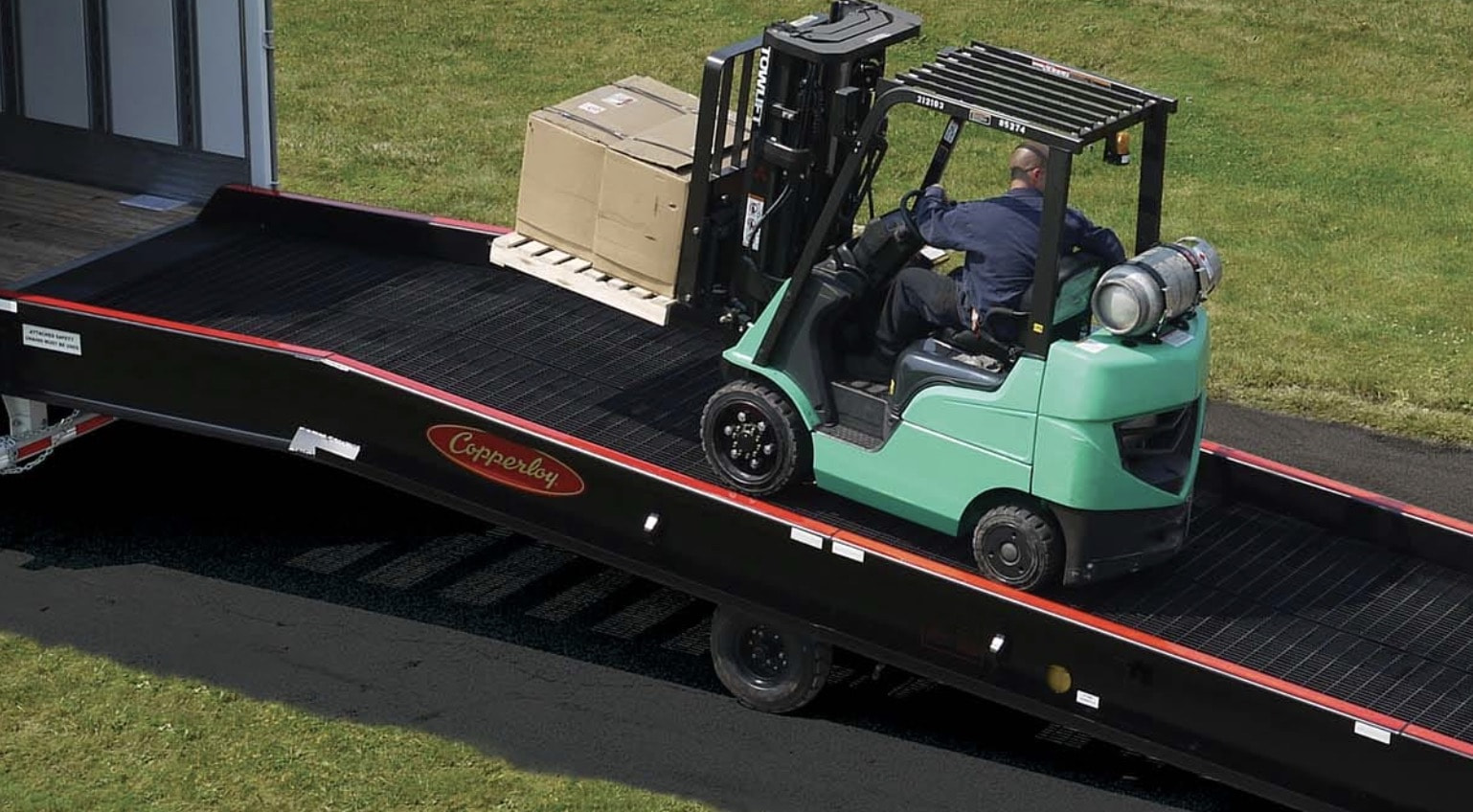
Maintain a safe distance from the edges of the ramp to prevent the forklift from veering off the path or falling.
Observe carefully both front and back to ensure there are no obstacles or pedestrians in the operating area to use the forklift ramp safely.
Read more: Top causes of forklift accidents and how to prevent them
Step 4: Post-operational Completion
Ensure you unlock the pins or safety chains before the container truck leaves the loading position and lower the ramp to its original position.
Move the forklift ramp to a safe storage area, avoiding obstruction to other yard activities.
Common Mistakes When Using a Forklift Ramp
⚠️ Exceeding the allowable load capacity of the ramp.
⚠️ Using the ramp in rainy conditions that cause slipperiness.
⚠️ Skipping the pre-use inspection step.
⚠️ Placing the ramp on an uneven surface or at an inappropriate angle, which can cause slipping and instability.
⚠️ Neglecting periodic maintenance.
⚠️ Failing to read the instructions carefully, leading to incorrect operation, damage, or accidents.
⚠️ Failing to use safety devices such as locking pins or alarm systems.
⚠️ Operating the forklift too fast or abruptly on the ramp.
⚠️ Purchasing poor-quality, expired, or second-hand forklift ramps.
Reference: Should you buy a used container ramp? Experience & reputable addresses
Tips for Safe and Effective Forklift Ramp Usage
To ensure absolute safety when using a forklift ramp for containers, in addition to following standard operating procedures, you should consider the following tips:
Choosing the Right Container Forklift Ramp
Determine that the maximum load capacity of the ramp must be greater than the total weight of the forklift and the cargo.
Choose a ramp width and length suitable for the size of the forklift and container, ensuring the forklift can move comfortably.
Prioritize ramps made from sturdy, non-slip materials such as: grating floors or checkered plates.
Inspecting the Ramp Before Use
Form a habit of always checking the ramp before use. Inspect from general overview to specific details, especially the structure.
Ensure there are no cracks, breaks, or deformations on the ramp surface. Then check the hydraulic oil to ensure no leaks and smooth operation.
Finally, check the motion systems such as wheels, wear, and traction.
Do not use the ramp in bad weather conditions such as heavy rain, strong winds, or slippery roads.
Ensuring the Working Position of the Cargo Ramp
Ground: Place the ramp on a flat, hard, and non-slip surface.
Container: Ensure the edge of the ramp is in full contact with the container floor, with no gaps.
Forklift: Adjust the inclination angle of the ramp so the forklift can go up and down easily and safely.
Ensuring Favorable Weather Conditions
You should not operate outdoors in rainy weather. Alternatively, you can choose a Grating Floor Forklift Ramp or a Checkered Plate Forklift Ramp to minimize slipperiness and ensure safety in bad weather conditions.
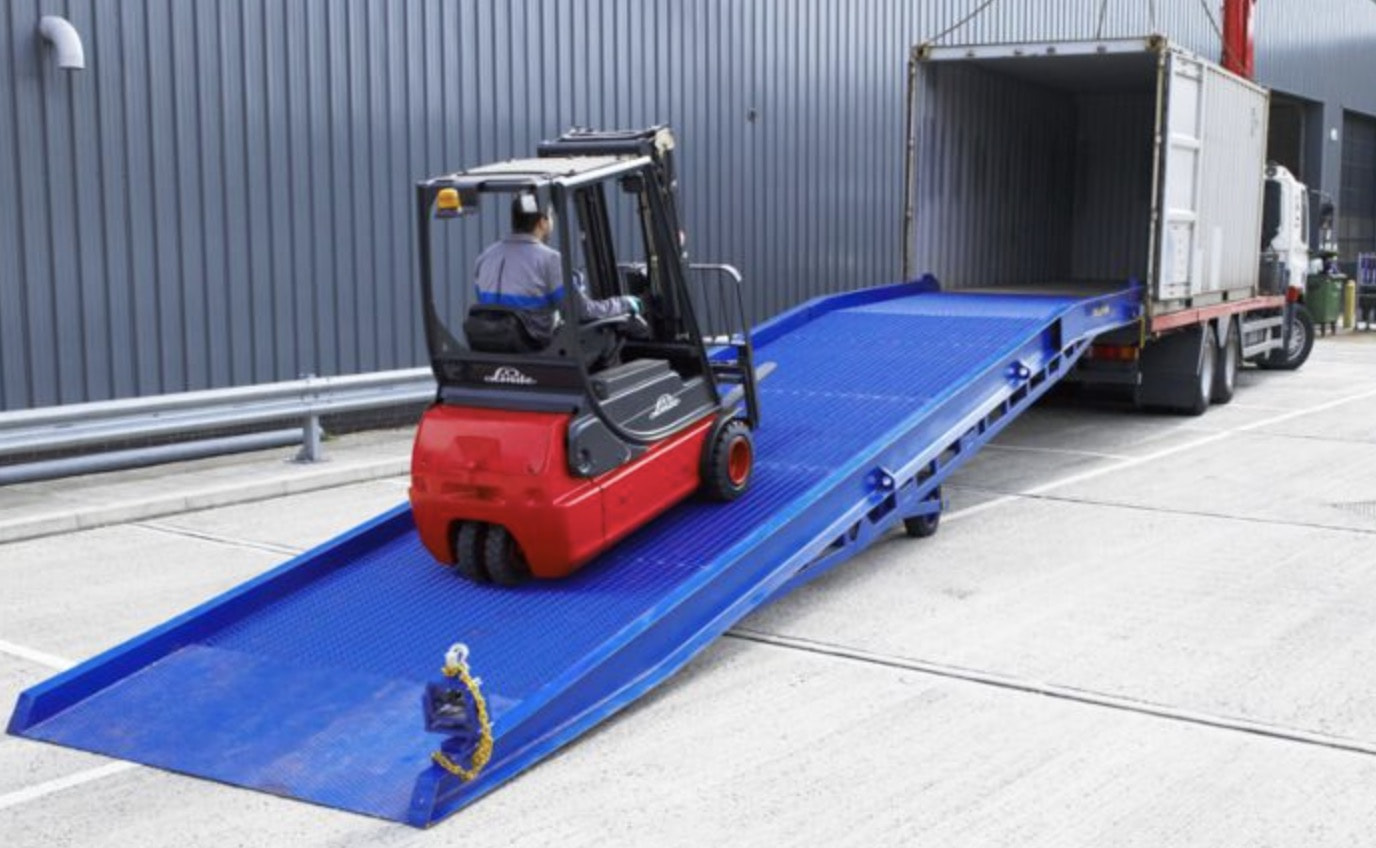
Operating the Forklift Correctly
Move the forklift slowly and evenly, avoiding sudden acceleration or braking.
Always keep a safe distance from the ramp edges.
Observe carefully in front and behind to avoid collisions.
Periodic Maintenance
Periodically perform maintenance and repair of the forklift ramp.
Clean the ramp thoroughly after each use, especially the moving parts.
Lubricate joints, axles, and wheels according to the manufacturer’s recommendations.
Setting Up Warning Signs and Protective Plates
Warn pedestrians and other vehicles about the forklift ramp’s operating area, helping them stay away from the workspace and ensuring safety.
Using Protective Materials
Using protective materials when using a forklift ramp for containers is an important factor in ensuring the safety of the operator, cargo, and equipment.
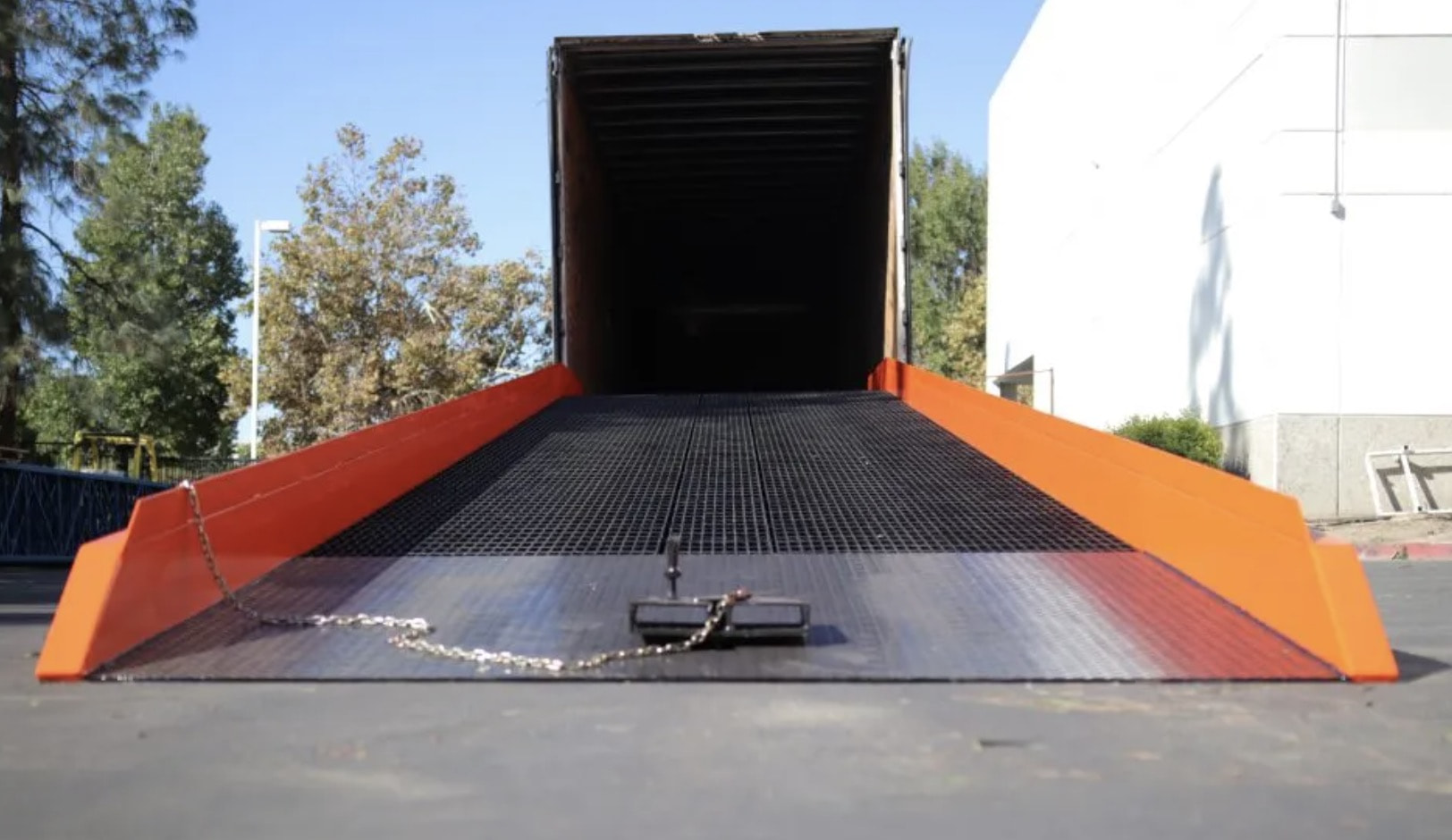
Some essential protective materials include: pallets, cushions, rubber mats, rubber bumpers, side guardrails, speed bumps, etc.
Education and Training
Ensure forklift operators are properly trained in forklift operation skills and ramp usage.
Organize periodic training sessions to update knowledge and new skills.
Only operate when workers are equipped with full personal protective equipment (PPE) such as safety helmets, safety shoes, gloves, reflective vests, etc.
By applying these tips, you can ensure maximum safety when using a forklift ramp for containers while extending the lifespan of the equipment.
Conclusion
Using a forklift ramp safely is not just about following technical procedures; it also requires an understanding of the equipment, caution, and a high sense of responsibility from the operator. We hope the above article has provided you with useful information.
Don’t forget that investing in labor safety is an investment in the future.
Nội dung có liên quan:
-
 What is a Mechanical Dock Leveler? How does it differ from a Hydraulic Dock Leveler?
Are you looking for a device to support loading and unloading goods from containers to the warehouse floor that is low-cost, highly durable, and easy to in...
What is a Mechanical Dock Leveler? How does it differ from a Hydraulic Dock Leveler?
Are you looking for a device to support loading and unloading goods from containers to the warehouse floor that is low-cost, highly durable, and easy to in...
-
 Popular Types of Hydraulic Freight Elevators Today
The role of hydraulic freight elevators in warehouses, production workshops, or construction sites is indisputable. However, the types of hydraulic freight...
Popular Types of Hydraulic Freight Elevators Today
The role of hydraulic freight elevators in warehouses, production workshops, or construction sites is indisputable. However, the types of hydraulic freight...
-
 Safe Working Load in Industrial Lifting and Cargo Handling
In the modern industrial and logistics environment, lifting and cargo handling activities take place continuously with large volumes and high frequencies. ...
Safe Working Load in Industrial Lifting and Cargo Handling
In the modern industrial and logistics environment, lifting and cargo handling activities take place continuously with large volumes and high frequencies. ...
-
 The Differences Between Mechanical Dock Levelers and Hydraulic Dock Levelers
The difference between hydraulic dock levelers and mechanical dock levelers is very clear – Hydraulic dock levelers operate automatically with a push of a ...
The Differences Between Mechanical Dock Levelers and Hydraulic Dock Levelers
The difference between hydraulic dock levelers and mechanical dock levelers is very clear – Hydraulic dock levelers operate automatically with a push of a ...
-
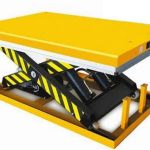 What Should You Consider When Buying a 700kg Hydraulic Lift Table?
The 700kg hydraulic lift table is a popular tool widely used in production workshops and warehouses. With a lifting capacity of 700kg, this hydraulic lift ...
What Should You Consider When Buying a 700kg Hydraulic Lift Table?
The 700kg hydraulic lift table is a popular tool widely used in production workshops and warehouses. With a lifting capacity of 700kg, this hydraulic lift ...
-
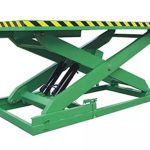 When Should You Use a 1000kg Hydraulic Lift Table?
Are you running a business in a warehouse or workshop that isn't too large and feeling that work efficiency hasn't reached your expectations? Are you looki...
When Should You Use a 1000kg Hydraulic Lift Table?
Are you running a business in a warehouse or workshop that isn't too large and feeling that work efficiency hasn't reached your expectations? Are you looki...
-
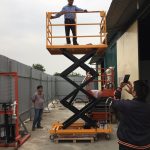 Advantages of 500kg Manual Lift Tables You Should Know
Are you looking to buy a medium-duty manual hydraulic lift table for home use? Is your work frequency intermittent, and are you looking for a product with ...
Advantages of 500kg Manual Lift Tables You Should Know
Are you looking to buy a medium-duty manual hydraulic lift table for home use? Is your work frequency intermittent, and are you looking for a product with ...
-
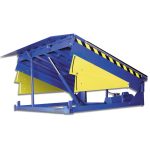 A Guide to Choosing High-Quality Hydraulic Dock Levelers Today
Hydraulic Dock Levelers are among the essential support devices for many fields and industries. Thanks to this product, the transport and storage of goods ...
A Guide to Choosing High-Quality Hydraulic Dock Levelers Today
Hydraulic Dock Levelers are among the essential support devices for many fields and industries. Thanks to this product, the transport and storage of goods ...