

 Tiếng Việt
Functions of the logistics department in goods management
The function of the logistics department is a core element in the supply chain, ensuring that goods are managed effectively from warehousing to distribution. The logistics department is responsible for receiving, storing, and discharging goods, acting as a bridge between various departments within the enterprise. Naltako, specializing in providing forklift ramps, offers solutions to optimize warehouse management. The article below will analyze in detail the functions of the logistics department and how Naltako supports these operations.
What are the main functions of the logistics department in an enterprise?
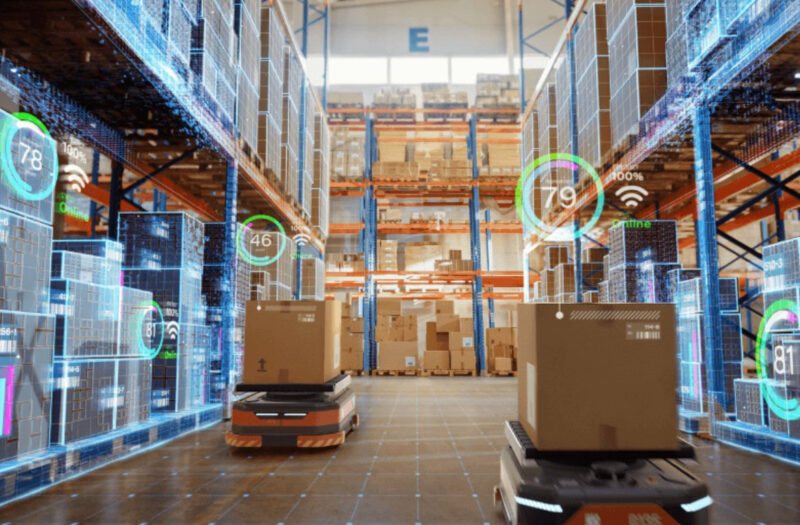
The logistics department performs essential warehousing functions:
- Receiving goods: Checking quality and quantity from suppliers, using hydraulic hand pallet trucks for quick unloading.
- Storage and preservation: Arranging goods in raw material or finished product warehouses, ensuring no damage occurs.
- Inventory management: Monitoring stock through inventory reports, maintaining optimal inventory levels.
- Import and export of goods: Ensuring the timely movement of goods, coordinating with the transport department and the sales department.
Specific tasks of the logistics department at Naltako
The logistics department at Naltako performs the following tasks:
- Periodic inventory audit: Reconciling data from goods received notes and delivery notes with actual stock, usually 1-2 times/month at the Ha Dong warehouse.
- Manpower coordination: Assigning logistics staff to operate freight elevators and handling equipment.
- Internal transportation: Using forklift ramps to move goods between warehouse areas.
- Multi-department coordination: Working with the purchasing department for raw materials and the sales department for shipping goods as requested.
How to manage logistics more effectively?
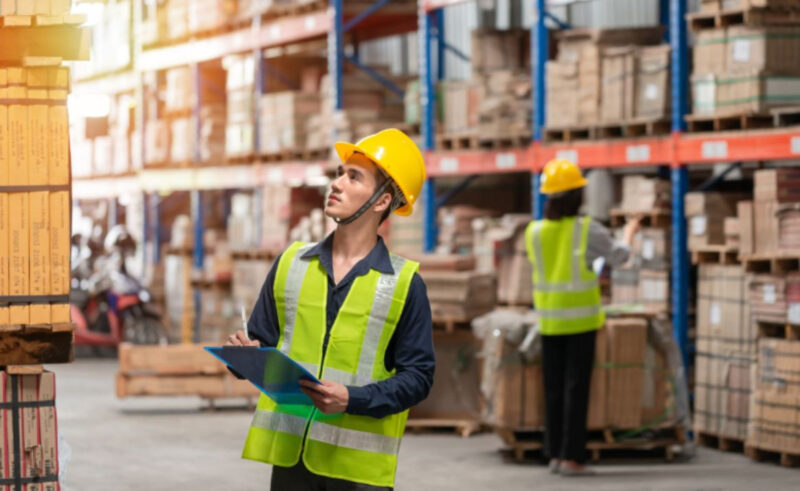
To manage logistics effectively, it is necessary to:
- Monitor inventory levels: Use a Warehouse Management System (WMS) to update inventory reports in real-time.
- Apply technology: Warehouse automation with barcode scanners and transport robots helps reduce errors by 25%.
- Optimize space: Use freight elevators to stack goods on high shelves, saving floor space.
- Personnel training: Enhance inventory management skills for logistics staff.
What does the daily work of a logistics employee involve?
Logistics employees perform daily tasks:
- Goods inspection: Verifying quantity and quality when receiving from suppliers, using scissor lifts to access goods at height.
- Reporting: Updating goods received notes and delivery notes into inventory reports.
- Equipment operation: Using tilters to handle bulk goods or mini cranes for heavy items.
- Goods preservation: Ensuring goods in the finished product warehouse are not damaged.
Necessary skills and tools for the logistics department
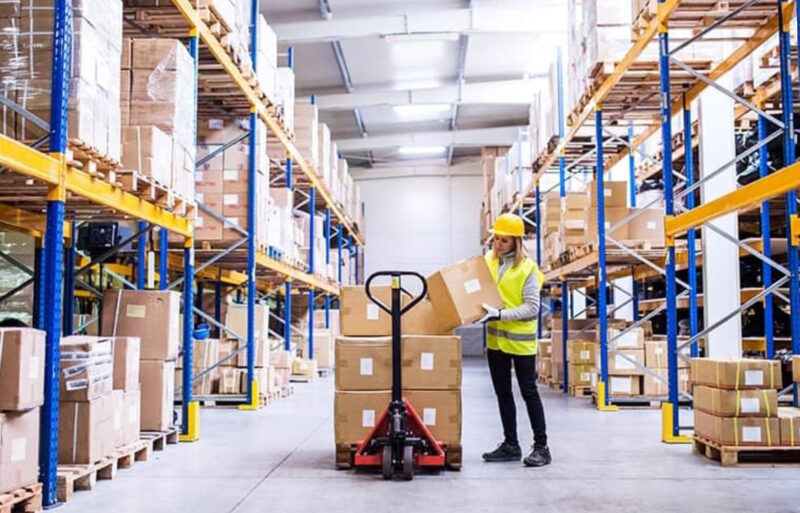
The logistics department requires specific skills and tools:
- Inventory management skills: Accurately monitoring inventory levels using ERP systems.
- Organizational skills: Arranging goods scientifically to optimize warehouse space.
- Support tools: Warehouse Management Systems (WMS) to automate processes; scissor lifts for working at height; mini cranes for heavy goods.
- Occupational safety: Complying with regulations when operating loading and unloading equipment.
At Naltako, hydraulic lift tables help reduce loading and unloading time by 20%, improving efficiency. Contact us via info@naltako.vn to receive technology and equipment solutions for logistics!
Nội dung có liên quan:
-
 What is a Mechanical Dock Leveler? How does it differ from a Hydraulic Dock Leveler?
Are you looking for a device to support loading and unloading goods from containers to the warehouse floor that is low-cost, highly durable, and easy to in...
What is a Mechanical Dock Leveler? How does it differ from a Hydraulic Dock Leveler?
Are you looking for a device to support loading and unloading goods from containers to the warehouse floor that is low-cost, highly durable, and easy to in...
-
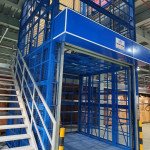 Popular Types of Hydraulic Freight Elevators Today
The role of hydraulic freight elevators in warehouses, production workshops, or construction sites is indisputable. However, the types of hydraulic freight...
Popular Types of Hydraulic Freight Elevators Today
The role of hydraulic freight elevators in warehouses, production workshops, or construction sites is indisputable. However, the types of hydraulic freight...
-
 Safe Working Load in Industrial Lifting and Cargo Handling
In the modern industrial and logistics environment, lifting and cargo handling activities take place continuously with large volumes and high frequencies. ...
Safe Working Load in Industrial Lifting and Cargo Handling
In the modern industrial and logistics environment, lifting and cargo handling activities take place continuously with large volumes and high frequencies. ...
-
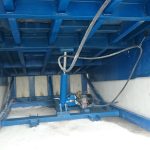 The Differences Between Mechanical Dock Levelers and Hydraulic Dock Levelers
The difference between hydraulic dock levelers and mechanical dock levelers is very clear – Hydraulic dock levelers operate automatically with a push of a ...
The Differences Between Mechanical Dock Levelers and Hydraulic Dock Levelers
The difference between hydraulic dock levelers and mechanical dock levelers is very clear – Hydraulic dock levelers operate automatically with a push of a ...
-
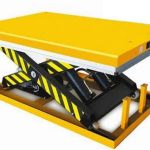 What Should You Consider When Buying a 700kg Hydraulic Lift Table?
The 700kg hydraulic lift table is a popular tool widely used in production workshops and warehouses. With a lifting capacity of 700kg, this hydraulic lift ...
What Should You Consider When Buying a 700kg Hydraulic Lift Table?
The 700kg hydraulic lift table is a popular tool widely used in production workshops and warehouses. With a lifting capacity of 700kg, this hydraulic lift ...
-
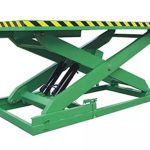 When Should You Use a 1000kg Hydraulic Lift Table?
Are you running a business in a warehouse or workshop that isn't too large and feeling that work efficiency hasn't reached your expectations? Are you looki...
When Should You Use a 1000kg Hydraulic Lift Table?
Are you running a business in a warehouse or workshop that isn't too large and feeling that work efficiency hasn't reached your expectations? Are you looki...
-
 Advantages of 500kg Manual Lift Tables You Should Know
Are you looking to buy a medium-duty manual hydraulic lift table for home use? Is your work frequency intermittent, and are you looking for a product with ...
Advantages of 500kg Manual Lift Tables You Should Know
Are you looking to buy a medium-duty manual hydraulic lift table for home use? Is your work frequency intermittent, and are you looking for a product with ...
-
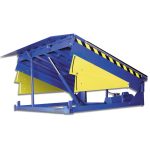 A Guide to Choosing High-Quality Hydraulic Dock Levelers Today
Hydraulic Dock Levelers are among the essential support devices for many fields and industries. Thanks to this product, the transport and storage of goods ...
A Guide to Choosing High-Quality Hydraulic Dock Levelers Today
Hydraulic Dock Levelers are among the essential support devices for many fields and industries. Thanks to this product, the transport and storage of goods ...