

 Tiếng Việt
Detailed package goods loading and unloading process
Package goods are one of the most common types of goods in the logistics industry. These are items packed in bags, cartons, or wooden crates, requiring careful loading and unloading processes to ensure safety, avoid damage, and optimize space. A professional package goods loading and unloading process not only helps improve work efficiency but is also an important factor in maintaining the business’s reputation with customers.
This article will provide you with a detailed look at what package goods are, delving into the standard package goods loading and unloading process and important notes to ensure the work proceeds most smoothly and safely.
What are package goods?
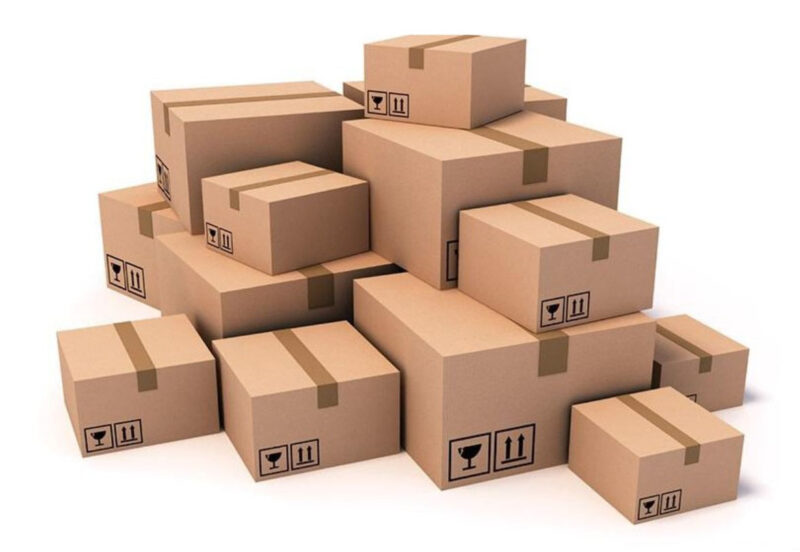
Package goods is a term used to refer to goods packed into individual units with fixed shapes and dimensions. The most common packaging forms include:
- Bags: Goods such as rice, coffee, powdered chemicals… are packed in PP (Polypropylene) bags or paper bags.
- Cartons: Often used for electronics, dry food, clothing, books…
- Wooden crates/boxes: Used to pack high-value, fragile, or heavy products such as machinery and industrial equipment.
- Pallets: Goods are neatly arranged on pallets and shrink-wrapped, making movement by forklift easier.
Understanding the specifics of each type of package is the first step to building an effective package goods loading and unloading process.
Detailed package goods loading and unloading process
A professional package goods loading and unloading process usually includes the following steps:
Step 1: Preparation
This is the most important step, determining the success of the entire process.
- Inspect and assess goods: Before starting, check the quantity, condition of packages, and special symbols such as “fragile”, “this side up”. This helps determine the loading/unloading plan and necessary equipment.
- Prepare equipment: Depending on the weight and characteristics of the goods, prepare suitable equipment such as hand pallet trucks, electric forklifts, diesel forklifts, or conveyors. Ensure these devices have been safety-checked and are in good working order.
- Arrange the workspace: The loading/unloading area needs to be cleaned, ensuring enough space for vehicles to move and operate. Plan the placement of goods after unloading to optimize warehouse space.
Step 2: Carry out loading and unloading

The package goods loading and unloading process needs to be carried out carefully and organizedly.
- Unload goods from transport vehicles: Use forklifts, conveyors, or manpower to unload goods from trucks or containers. Supervisors are needed to ensure goods do not fall or collide.
- Sort and count: After unloading, goods need to be sorted by SKU, size, or characteristics. Count the actual quantity against the export/import slip to reconcile.
- Transport into the warehouse: Use hand pallet trucks or electric forklifts to move sorted goods to the designated storage area. Safety rules must be followed when operating forklifts in the warehouse.
Step 3: Storage and arrangement
- Arrange on shelves: Package goods should be arranged on warehouse racking systems to optimize space and facilitate management and retrieval. Follow the “heavy goods below, light goods above” principle to ensure safety.
- Create storage records: Record the specific location of each type of goods in the warehouse, update the Warehouse Management System (WMS) or books. This helps the next package goods loading and unloading process take place quickly and accurately.
Some notes when loading and unloading package goods
For the package goods loading and unloading process to take place safely and effectively, the following points should be noted:
- Employee training: Employees involved in loading and unloading need to be properly trained in equipment operation skills and labor safety procedures. They need to clearly understand the types of goods and appropriate handling methods.
- Use appropriate equipment: For heavy goods, use electric or diesel forklifts. For light goods, hand pallet trucks or carts can be used. Choosing the wrong equipment not only reduces productivity but also causes danger.
- Adhere to safety rules: Always wear helmets, safety shoes, and other personal protective equipment (PPE). Pay attention to the allowable load of the equipment and do not attempt to overload.
- Periodically check equipment: Lifting equipment needs to be maintained and checked periodically to ensure it is always in good working condition, avoiding unexpected incidents.
- Apply technology: Use warehouse management software (WMS) to track inventory levels, storage locations, and optimize the package goods loading and unloading process, improving overall efficiency. most commonly used today
>>> Most commonly used cargo loading and unloading tools today
Conclusion
A professionally built and executed package goods loading and unloading process is a key factor helping logistics businesses operate effectively. By focusing on preparation, adhering to standard loading/unloading steps, and always following safety rules, businesses not only protect goods but also save time, costs, and improve customer satisfaction. Investing in modern loading/unloading equipment and applying technology is a strategic move to optimize the package goods loading and unloading process, bringing sustainable competitive advantage in the market. Hopefully, with the information Naltako shared, you have better understood the package goods loading and unloading process to make work faster and more convenient.
Nội dung có liên quan:
-
 Should You Use a Mini Hydraulic Lift Table?
A lift table is a very useful device for warehouses and workshops. They are used to transport goods as quickly as possible. Among the many types of lift ta...
Should You Use a Mini Hydraulic Lift Table?
A lift table is a very useful device for warehouses and workshops. They are used to transport goods as quickly as possible. Among the many types of lift ta...
-
 Choosing Between Hydraulic Dock Levelers or Forklift Ramps for Cargo Handling?
Currently in Vietnam, businesses are applying many different methods to carry out import and export operations. Some businesses continue to follow traditio...
Choosing Between Hydraulic Dock Levelers or Forklift Ramps for Cargo Handling?
Currently in Vietnam, businesses are applying many different methods to carry out import and export operations. Some businesses continue to follow traditio...
-
 What is a Loading Dock? What does a Loading Dock system include?
Is your business facing difficulties in transporting goods? Is loading and unloading taking too much time and increasing costs? Have you researched solutio...
What is a Loading Dock? What does a Loading Dock system include?
Is your business facing difficulties in transporting goods? Is loading and unloading taking too much time and increasing costs? Have you researched solutio...
-
 Hydraulic Cylinder Structure, Specifications, and Operating Principles
Hydraulic cylinders, also known as hydraulic rams, are one of the most critical components in a hydraulic system. They have the ability to convert hydrauli...
Hydraulic Cylinder Structure, Specifications, and Operating Principles
Hydraulic cylinders, also known as hydraulic rams, are one of the most critical components in a hydraulic system. They have the ability to convert hydrauli...
-
 Differences Between Freight Elevators and Goods Hoists
Choosing between a freight elevator and a goods hoist is always a difficult puzzle for many businesses. Understanding this, Naltako will help you solve the...
Differences Between Freight Elevators and Goods Hoists
Choosing between a freight elevator and a goods hoist is always a difficult puzzle for many businesses. Understanding this, Naltako will help you solve the...
-
 Hydraulics: Concept, Structure, and Basic Operating Principles
Hydraulics is a vital technology, widely used in modern life. From industrial machinery like dock levelers to vehicles, this system plays an indispensable ...
Hydraulics: Concept, Structure, and Basic Operating Principles
Hydraulics is a vital technology, widely used in modern life. From industrial machinery like dock levelers to vehicles, this system plays an indispensable ...
-
 Dock Shelter and Dock Leveler: The Perfect Combination for Your Warehouse
Is your warehouse operating inefficiently, with high risks of cargo damage and low productivity? Don't worry, the optimal solution is here! The combination...
Dock Shelter and Dock Leveler: The Perfect Combination for Your Warehouse
Is your warehouse operating inefficiently, with high risks of cargo damage and low productivity? Don't worry, the optimal solution is here! The combination...
-
 What is a Raised Floor? What are the components of its structure?
Raised floors, hydraulic dock levelers, and access floors are popular types of flooring widely used in modern construction engineering today. To learn deta...
What is a Raised Floor? What are the components of its structure?
Raised floors, hydraulic dock levelers, and access floors are popular types of flooring widely used in modern construction engineering today. To learn deta...