

 Tiếng Việt
Common types of containers today
Types of containers play an important role in the multimodal transport system, helping to transport goods safely and efficiently worldwide. From general purpose containers to refrigerated containers, each type meets specific needs in the logistics supply chain. Naltako, specializing in providing forklift ramps, brings optimal lifting solutions for container loading and unloading. The article below will analyze in detail the types of containers and how Naltako supports operations at ports and warehouses.
What are the common types of containers today?
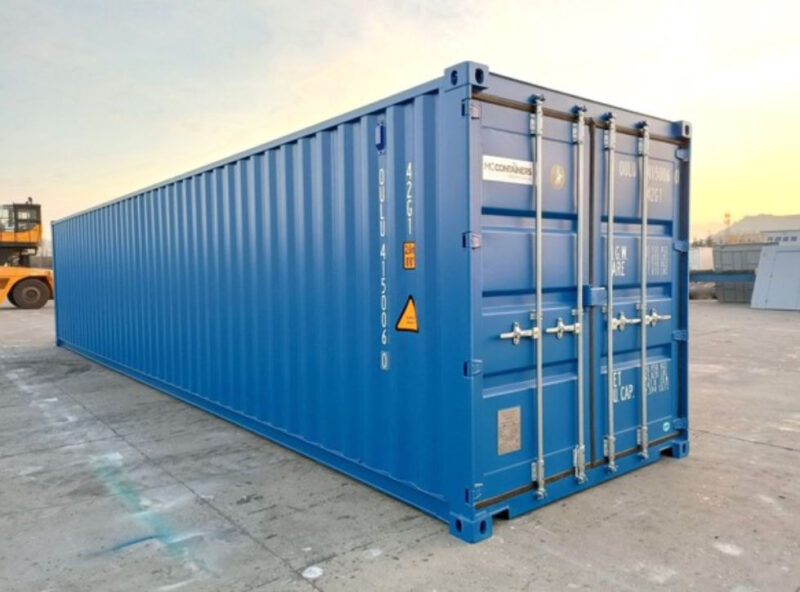
A container is a rectangular steel box, standardized according to ISO 668:1995, used to transport goods. Common types of containers include:
- General purpose container (dry container): Transports dry goods such as clothing, electronics, size 20 feet (6.06m long) or 40 feet (12.19m long).
- Refrigerated container (reefer): Preserves frozen goods such as food, pharmaceuticals.
- Open top container: Carries bulky goods such as machinery, with a removable tarpaulin roof.
- Flat rack container: Carries oversized goods such as steel coils, with collapsible walls.
- Tank container: Transports liquids such as oil, chemicals.
What is a refrigerated container (reefer) used for?
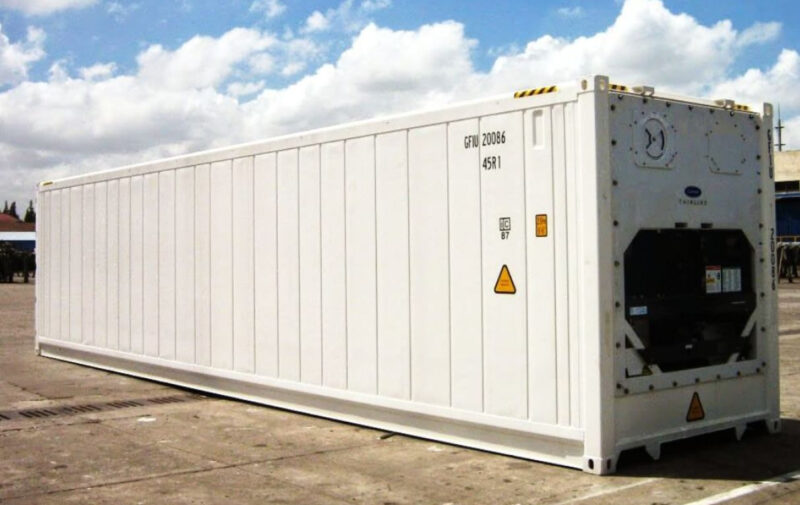
Refrigerated containers (reefer containers) are equipped with a cooling system, maintaining temperatures from +25°C to -25°C, suitable for goods such as fresh food, frozen food, or pharmaceuticals. Features:
- Preserve quality: Maintain a stable temperature during container cargo transportation.
- Sealing system: Ensure safety for sensitive goods.
- Wide application: From meat and fish to vaccines.
How to distinguish between closed and open top containers?
Closed containers and open top containers differ in structure and use:
- Closed container: Has a closed roof and walls, protecting goods from the weather, suitable for dry goods like electronics, clothing.
- Open top container: Has a removable tarpaulin roof, ideal for bulky goods like machinery, large timber, easy to load and unload from above.
What are the standard dimensions of a container?
Container dimensions are standardized according to ISO 668:1995:
- 20-foot container: 6.06m long, 2.44m wide, 2.59m high, holding about 33m³.
- 40-foot container: 12.19m long, 2.44m wide, 2.59m high, holding about 67m³.
- 40-foot high cube container: 2.89m high, holding about 76m³, suitable for bulky goods.
What is a flat rack container used to transport?
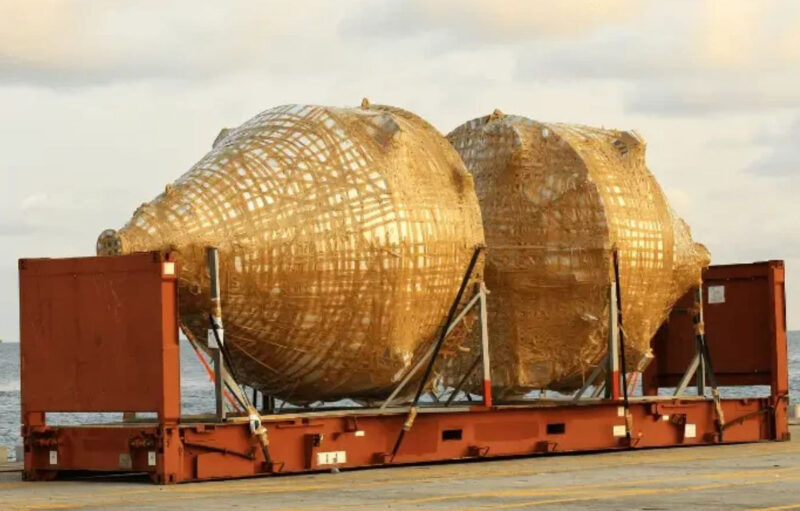
Flat rack containers have a super durable steel floor base and collapsible walls, used to carry oversized or bulky goods such as machinery, steel coils, and trucks. Features:
- Large load capacity: Can bear loads up to 45 tons, depending on the type.
- Flexible: Collapsible walls create a flat surface, easy to load and unload.
- Application: Transporting construction goods, heavy equipment.
Naltako supports handling goods from flat rack containers using scissor lifts, ensuring safety in the cargo transportation system. For example, a construction site in Da Nang uses Naltako’s mini crane to load steel coils. We encourage you to contact 0981.977.898 to cooperate with Naltako on equipment for flat rack containers!
Nội dung có liên quan:
-
 Should You Use a Mini Hydraulic Lift Table?
A lift table is a very useful device for warehouses and workshops. They are used to transport goods as quickly as possible. Among the many types of lift ta...
Should You Use a Mini Hydraulic Lift Table?
A lift table is a very useful device for warehouses and workshops. They are used to transport goods as quickly as possible. Among the many types of lift ta...
-
 Choosing Between Hydraulic Dock Levelers or Forklift Ramps for Cargo Handling?
Currently in Vietnam, businesses are applying many different methods to carry out import and export operations. Some businesses continue to follow traditio...
Choosing Between Hydraulic Dock Levelers or Forklift Ramps for Cargo Handling?
Currently in Vietnam, businesses are applying many different methods to carry out import and export operations. Some businesses continue to follow traditio...
-
 What is a Loading Dock? What does a Loading Dock system include?
Is your business facing difficulties in transporting goods? Is loading and unloading taking too much time and increasing costs? Have you researched solutio...
What is a Loading Dock? What does a Loading Dock system include?
Is your business facing difficulties in transporting goods? Is loading and unloading taking too much time and increasing costs? Have you researched solutio...
-
 Hydraulic Cylinder Structure, Specifications, and Operating Principles
Hydraulic cylinders, also known as hydraulic rams, are one of the most critical components in a hydraulic system. They have the ability to convert hydrauli...
Hydraulic Cylinder Structure, Specifications, and Operating Principles
Hydraulic cylinders, also known as hydraulic rams, are one of the most critical components in a hydraulic system. They have the ability to convert hydrauli...
-
 Differences Between Freight Elevators and Goods Hoists
Choosing between a freight elevator and a goods hoist is always a difficult puzzle for many businesses. Understanding this, Naltako will help you solve the...
Differences Between Freight Elevators and Goods Hoists
Choosing between a freight elevator and a goods hoist is always a difficult puzzle for many businesses. Understanding this, Naltako will help you solve the...
-
 Hydraulics: Concept, Structure, and Basic Operating Principles
Hydraulics is a vital technology, widely used in modern life. From industrial machinery like dock levelers to vehicles, this system plays an indispensable ...
Hydraulics: Concept, Structure, and Basic Operating Principles
Hydraulics is a vital technology, widely used in modern life. From industrial machinery like dock levelers to vehicles, this system plays an indispensable ...
-
 Dock Shelter and Dock Leveler: The Perfect Combination for Your Warehouse
Is your warehouse operating inefficiently, with high risks of cargo damage and low productivity? Don't worry, the optimal solution is here! The combination...
Dock Shelter and Dock Leveler: The Perfect Combination for Your Warehouse
Is your warehouse operating inefficiently, with high risks of cargo damage and low productivity? Don't worry, the optimal solution is here! The combination...
-
 What is a Raised Floor? What are the components of its structure?
Raised floors, hydraulic dock levelers, and access floors are popular types of flooring widely used in modern construction engineering today. To learn deta...
What is a Raised Floor? What are the components of its structure?
Raised floors, hydraulic dock levelers, and access floors are popular types of flooring widely used in modern construction engineering today. To learn deta...