

 Tiếng Việt
Choosing Suitable Industrial Materials for Businesses
Choosing the right industrial materials for a business is a key factor to ensure production efficiency, optimize costs, and enhance structural durability. Naltako, with over 7 years of experience providing industrial solutions, offers quality materials for manufacturing hydraulic lift tables, cargo lifts, dock levelers…. This article will guide you through the selection criteria, classification, and methods to check material quality to make the right decision.
Criteria for Choosing Suitable Industrial Materials
To select business materials effectively, many criteria such as quality, durability, cost, and special features need to be considered. Material quality must meet technical standards, ensuring stable operation in harsh environments such as high temperatures, high humidity, or chemical exposure. For example, Naltako’s H, I, U shaped steels have high load-bearing capacity, suitable for factory frames, while corrosion-resistant composite materials are ideal for chemical environments.
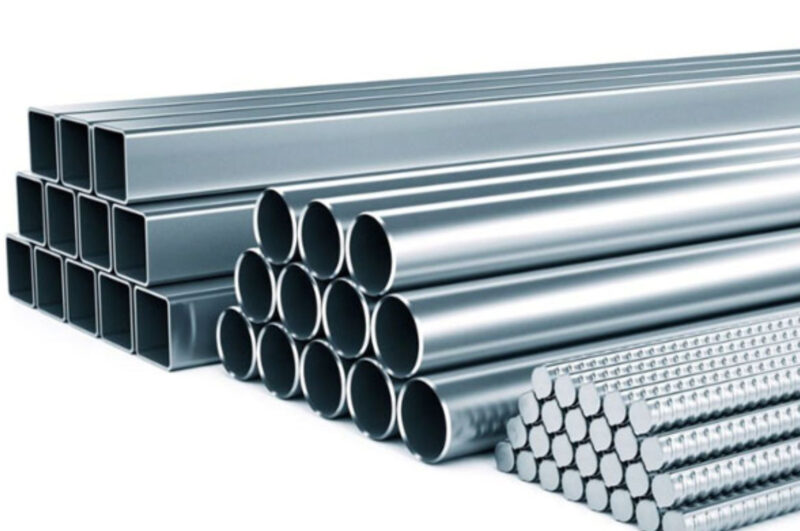
Durability is a crucial factor, helping to extend the lifespan of the structure and reduce maintenance costs. Materials need features such as fire resistance, heat insulation, corrosion resistance, or load-bearing capacity depending on needs. Costs also need to balance initial purchase price and long-term usage value. Additionally, the working environment greatly influences the decision: stainless steel is suitable for food processing plants, while HDPE plastic is ideal for water pipes. According to research, internationally standardized materials help increase reliability and performance by up to 30% in harsh conditions.
What Are Industrial Materials and Their Classification?
Industrial materials are raw materials used in production, construction, and manufacturing, ensuring durability, technical features, and economic efficiency. Common types include industrial steel, concrete, industrial aluminum, industrial alloys, industrial composites, and industrial plastics. Each type has its own application: steel is used in bridge and factory construction; concrete for building foundations; fiber-reinforced composites for ship hulls and car bodies due to their durability and light weight.
Titanium and nickel alloys are favored in aviation, medical, and defense industries thanks to their heat resistance and corrosion resistance. Industrial plastics like HDPE and PVC are used as pipes and storage tanks in the chemical industry. According to statistics, translucent wood-plastic composite materials are becoming a trend thanks to their aesthetics and durability, suitable for industrial interiors and woodworking.
Which Industrial Materials Are the Most Durable and Economical?
When evaluating industrial materials, durability and cost are two factors that need careful comparison. Industrial steel stands out for its load-bearing capacity, high heat resistance, and recyclability, helping to save long-term costs. For example, shaped steel has superior durability, suitable for factory frames, saving up to 20% of maintenance costs compared to poor-quality materials. Concrete has good compressive strength, suitable for foundations and floors, but construction costs are higher.
Industrial composite is an economical choice thanks to its light weight, ease of construction, and corrosion resistance. Durable, chemical-resistant HDPE plastic is used for water pipes and storage tanks, helping to reduce replacement costs. The current trend is to use environmentally friendly industrial materials, such as recycled steel or bio-composites, contributing to sustainable development. According to reports, recycled steel helps reduce production costs by 15% while still ensuring durability.
How to Check Industrial Material Quality
Checking industrial material quality is an important step to ensure efficiency and safety for the project. Businesses need to request quality certification from suppliers and check technical specifications such as tensile strength, heat resistance, and corrosion resistance. Using measuring devices like moisture meters, tensile strength testers, or sending samples to a laboratory helps in accurate assessment.
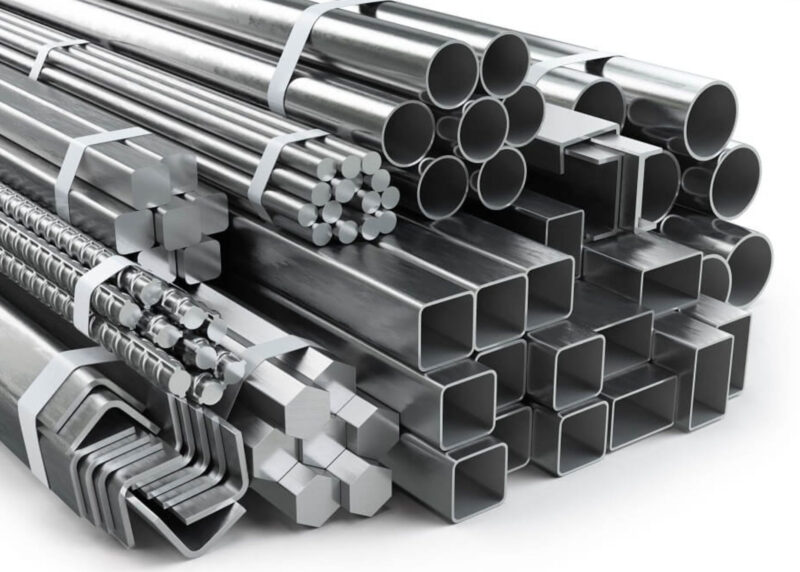
Industrial materials meeting international standards, such as stainless steel or composite, always come with ISO and ASTM certificates, ensuring credibility. On-site inspection is also necessary to determine if the material is suitable for actual conditions. According to research, testing in laboratories and on-site increases accuracy by up to 95%, helping businesses avoid risks when using poor-quality materials.
Where to Find Reputable Industrial Material Suppliers?
Choosing a reputable industrial material supplier requires businesses to consider price, product diversity, and consulting services. Quality suppliers must provide quality certificates, clear technical specifications, and testing support. Naltako, headquartered on the 4th Floor, SME Hoang Gia Building, To Hieu, Ha Dong, Hanoi, is a reliable address providing industrial lifting equipment, helping your business become modern.
Naltako also supports technical consulting, helping businesses choose materials suitable for their budget and intended use. With experience serving hundreds of businesses, we are committed to bringing optimal solutions, from materials for factories to the electronics and mechanical industries.
Come to Naltako to get the best industrial material advice and improve production efficiency.
Nội dung có liên quan:
-
 Should You Use a Mini Hydraulic Lift Table?
A lift table is a very useful device for warehouses and workshops. They are used to transport goods as quickly as possible. Among the many types of lift ta...
Should You Use a Mini Hydraulic Lift Table?
A lift table is a very useful device for warehouses and workshops. They are used to transport goods as quickly as possible. Among the many types of lift ta...
-
 Choosing Between Hydraulic Dock Levelers or Forklift Ramps for Cargo Handling?
Currently in Vietnam, businesses are applying many different methods to carry out import and export operations. Some businesses continue to follow traditio...
Choosing Between Hydraulic Dock Levelers or Forklift Ramps for Cargo Handling?
Currently in Vietnam, businesses are applying many different methods to carry out import and export operations. Some businesses continue to follow traditio...
-
 What is a Loading Dock? What does a Loading Dock system include?
Is your business facing difficulties in transporting goods? Is loading and unloading taking too much time and increasing costs? Have you researched solutio...
What is a Loading Dock? What does a Loading Dock system include?
Is your business facing difficulties in transporting goods? Is loading and unloading taking too much time and increasing costs? Have you researched solutio...
-
 Hydraulic Cylinder Structure, Specifications, and Operating Principles
Hydraulic cylinders, also known as hydraulic rams, are one of the most critical components in a hydraulic system. They have the ability to convert hydrauli...
Hydraulic Cylinder Structure, Specifications, and Operating Principles
Hydraulic cylinders, also known as hydraulic rams, are one of the most critical components in a hydraulic system. They have the ability to convert hydrauli...
-
 Differences Between Freight Elevators and Goods Hoists
Choosing between a freight elevator and a goods hoist is always a difficult puzzle for many businesses. Understanding this, Naltako will help you solve the...
Differences Between Freight Elevators and Goods Hoists
Choosing between a freight elevator and a goods hoist is always a difficult puzzle for many businesses. Understanding this, Naltako will help you solve the...
-
 Hydraulics: Concept, Structure, and Basic Operating Principles
Hydraulics is a vital technology, widely used in modern life. From industrial machinery like dock levelers to vehicles, this system plays an indispensable ...
Hydraulics: Concept, Structure, and Basic Operating Principles
Hydraulics is a vital technology, widely used in modern life. From industrial machinery like dock levelers to vehicles, this system plays an indispensable ...
-
 Dock Shelter and Dock Leveler: The Perfect Combination for Your Warehouse
Is your warehouse operating inefficiently, with high risks of cargo damage and low productivity? Don't worry, the optimal solution is here! The combination...
Dock Shelter and Dock Leveler: The Perfect Combination for Your Warehouse
Is your warehouse operating inefficiently, with high risks of cargo damage and low productivity? Don't worry, the optimal solution is here! The combination...
-
 What is a Raised Floor? What are the components of its structure?
Raised floors, hydraulic dock levelers, and access floors are popular types of flooring widely used in modern construction engineering today. To learn deta...
What is a Raised Floor? What are the components of its structure?
Raised floors, hydraulic dock levelers, and access floors are popular types of flooring widely used in modern construction engineering today. To learn deta...