

 Tiếng Việt
What is Rebar? Applications in Loading Ramp Manufacturing
What is rebar? Its application in manufacturing loading ramps is a topic of great interest to many businesses in the industry and warehousing sector. As a steel bar with ribbed ridges on the surface, rebar plays a vital role in increasing adhesion and ensuring safety for forklift ramp structures. This article will explain in detail the concept, structure, and practical applications of rebar, while introducing high-quality loading ramp solutions from Naltako – a prestigious brand in Vietnam. Let’s explore!
What is Rebar? Basic Concepts
Rebar, also known as ribbed steel bar or deformed bar, is a type of steel rod with a ribbed surface that helps increase adhesion and prevent slipping. Rebar has diameters ranging from phi 8 to phi 25, with a standard length of 11.7m, and is commonly used in steel structure projects such as bridges, warehouse floors, and workshops. The outstanding features of rebar are its good load-bearing capacity, effective slip resistance, ease of processing, and flexibility, making it suitable for many industrial applications.
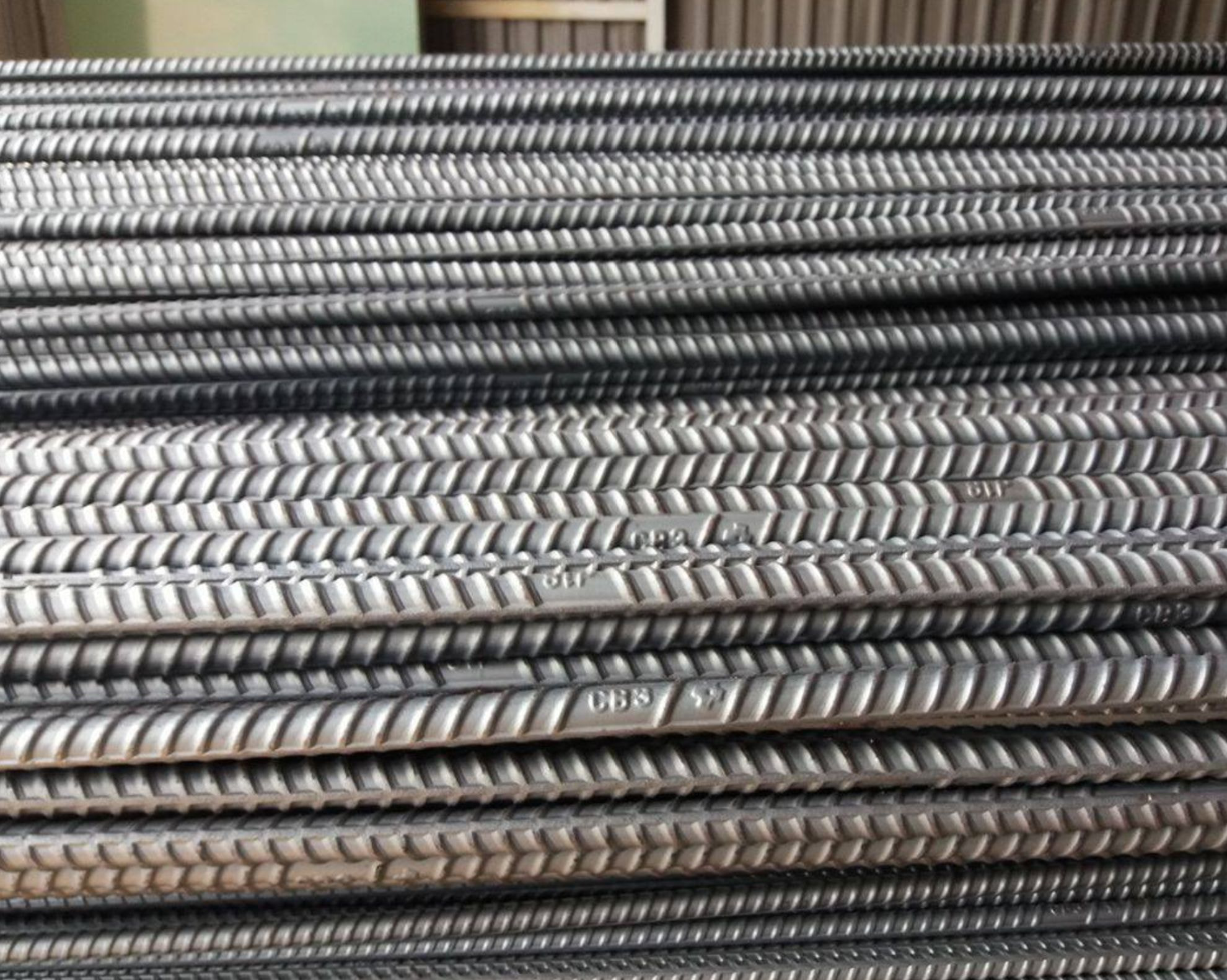
In the production of loading ramps, rebar is welded onto the floor surface to increase friction, ensuring safety when forklifts move. Naltako, with products such as loading ramps, hydraulic hand pallet trucks, and hydraulic lift tables, provides optimal solutions for the operation and installation of projects using rebar, ensuring efficiency and safety.
Contact Naltako immediately via hotline 0986868003 – 0981.977.898 for detailed advice on loading ramps and suitable lifting equipment!
>>> What is Q345 steel? Applications of Q345 steel in industry
What is the Structure of Anti-slip Rebar?
Rebar has a characteristic structure with a circular or square cross-section, and the surface is processed with spiral or crescent-shaped ribs. Phi 8 rebar weighs approximately 0.395 kg/m, helping to ensure durability and load-bearing capacity. The ribs on the steel surface increase adhesion with materials such as concrete or floor lining plates, while creating high friction to prevent slipping in environments like industrial warehouse systems.
The anti-slip principle of rebar is based on the ribbed design, which helps forklift wheels grip firmly onto the ramp floor. This type of steel is often welded onto I-beam steel frames or solid square steel to create a durable floor surface. Naltako provides equipment such as scissor lifts and mini cranes to support the installation of rebar on loading ramps, ensuring accuracy and safety during construction.
Types of Rebar such as Phi 10 Ribbed Steel
Rebar is classified by diameter and steel grade, meeting standards such as TCVN, JIS, and ASTM. Common types include:
- Phi 8 rebar: 8mm diameter, lightweight, suitable for small ramps or low-load warehouse floors.
- Phi 10 rebar: 10mm diameter, weighing about 0.617 kg/m, commonly used in medium-load loading ramps.
- Phi 12 rebar: 12mm diameter, suitable for projects requiring high durability.
Popular steel grades like CB300-V and CB400-V ensure load-bearing capacity and bending strength. Rebar is produced using hot-rolling or cold-rolling technology, which helps increase durability and corrosion resistance. In the production of loading ramps, phi 10 and phi 12 are preferred due to their flexibility and ease of processing. Naltako provides cargo lifts and tilting lift tables to support the efficient transport and installation of rebar.
Applications of Rebar in Loading Ramps
Rebar is widely used in the production of loading ramps, especially in creating anti-slip floor surfaces. Loading ramps typically have floor dimensions from 11m to 13m, a width of 2m to 2.4m, and a load capacity of 6 to 10 tons. Rebar is welded onto I-beam steel frames to act as anti-slip bars, increasing friction for forklift wheels, especially PU wheels, ensuring safety when moving heavy goods.
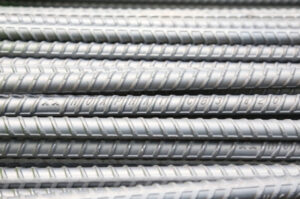
In addition, rebar is used in industrial warehouse systems for flooring or racking. Naltako provides high-quality loading ramp products that integrate rebar to ensure durability and safety. Equipment such as hydraulic hand pallet trucks and hydraulic lift tables support efficient ramp operation, meeting the needs of container loading and goods transport.
Contact us now via email info@naltako.vn to receive a detailed quote and advice on loading ramps integrated with rebar!
Is Anti-slip Rebar Good? An Evaluation
Rebar is highly rated for its anti-slip capabilities, thanks to the ribbed surface that increases friction. The thickness of checkered floor plates combined with rebar is usually 5mm or more, ensuring safety for forklifts moving on the ramp. Advantages of rebar include:
- Increased friction: Prevents slipping, especially in wet environments.
- Ensured safety: Protects forklifts and goods during operation.
- Reasonable cost: Easy to replace and maintain, saving costs.
However, a disadvantage is that rebar can cause slight wear to PU wheels after long-term use. Naltako provides loading ramps optimally designed with rebar, combined with equipment like scissor lifts to ensure safe and efficient operation.
>>> What is high-strength steel? Applications in loading ramp production
How Does Rebar Affect Forklift Wheels?
Rebar can have a slight impact on the PU wheels of forklifts, especially after prolonged use. The ribs on the steel surface create high friction but also cause minor wear to the PU wheels, reducing their lifespan. Additionally, when a forklift moves on a rebar floor surface, there may be higher vibration compared to steel grating, affecting the operating experience.
To minimize the impact, businesses should choose PU wheels with high hardness or use rebar with lower ribs in light-load environments. Naltako provides hydraulic hand trucks and loading ramps designed to optimize operation on rebar floors, reducing wear and ensuring safety.
How to Install Rebar on Ramps
Installing rebar on loading ramps requires precise techniques to ensure durability and safety. Basic steps include:
- Prepare the I-beam steel frame: Serve as the foundation for the ramp floor.
- Weld the rebar: Arrange the rebar bars with a spacing of 100mm to 200mm, and weld them securely to the steel frame.
- Check the load capacity: Ensure the floor can withstand loads from 6 to 10 tons, depending on the design.
- Anti-corrosion treatment: Use galvanization or protective paint to increase lifespan.
Factors to consider include the working environment (humidity, chemicals) and the required load capacity. Naltako provides mini cranes and hydraulic lift tables to support the safe, fast, and accurate installation of rebar on loading ramps.
>>> Comparison between domestic and imported loading ramps
Conclusion
Rebar is an ideal choice for details requiring complex bending, column ties, and beam stirrups. Selecting standardized rebar with a clear origin is extremely important to ensure the stability and longevity of every project. We hope that with the information provided by Naltako, you have gained a better understanding of the components that make up a modern loading ramp.
Nội dung có liên quan:
-
 What is a Mechanical Dock Leveler? How does it differ from a Hydraulic Dock Leveler?
Are you looking for a device to support loading and unloading goods from containers to the warehouse floor that is low-cost, highly durable, and easy to in...
What is a Mechanical Dock Leveler? How does it differ from a Hydraulic Dock Leveler?
Are you looking for a device to support loading and unloading goods from containers to the warehouse floor that is low-cost, highly durable, and easy to in...
-
 Popular Types of Hydraulic Freight Elevators Today
The role of hydraulic freight elevators in warehouses, production workshops, or construction sites is indisputable. However, the types of hydraulic freight...
Popular Types of Hydraulic Freight Elevators Today
The role of hydraulic freight elevators in warehouses, production workshops, or construction sites is indisputable. However, the types of hydraulic freight...
-
 Safe Working Load in Industrial Lifting and Cargo Handling
In the modern industrial and logistics environment, lifting and cargo handling activities take place continuously with large volumes and high frequencies. ...
Safe Working Load in Industrial Lifting and Cargo Handling
In the modern industrial and logistics environment, lifting and cargo handling activities take place continuously with large volumes and high frequencies. ...
-
 The Differences Between Mechanical Dock Levelers and Hydraulic Dock Levelers
The difference between hydraulic dock levelers and mechanical dock levelers is very clear – Hydraulic dock levelers operate automatically with a push of a ...
The Differences Between Mechanical Dock Levelers and Hydraulic Dock Levelers
The difference between hydraulic dock levelers and mechanical dock levelers is very clear – Hydraulic dock levelers operate automatically with a push of a ...
-
 What Should You Consider When Buying a 700kg Hydraulic Lift Table?
The 700kg hydraulic lift table is a popular tool widely used in production workshops and warehouses. With a lifting capacity of 700kg, this hydraulic lift ...
What Should You Consider When Buying a 700kg Hydraulic Lift Table?
The 700kg hydraulic lift table is a popular tool widely used in production workshops and warehouses. With a lifting capacity of 700kg, this hydraulic lift ...
-
 When Should You Use a 1000kg Hydraulic Lift Table?
Are you running a business in a warehouse or workshop that isn't too large and feeling that work efficiency hasn't reached your expectations? Are you looki...
When Should You Use a 1000kg Hydraulic Lift Table?
Are you running a business in a warehouse or workshop that isn't too large and feeling that work efficiency hasn't reached your expectations? Are you looki...
-
 Advantages of 500kg Manual Lift Tables You Should Know
Are you looking to buy a medium-duty manual hydraulic lift table for home use? Is your work frequency intermittent, and are you looking for a product with ...
Advantages of 500kg Manual Lift Tables You Should Know
Are you looking to buy a medium-duty manual hydraulic lift table for home use? Is your work frequency intermittent, and are you looking for a product with ...
-
 A Guide to Choosing High-Quality Hydraulic Dock Levelers Today
Hydraulic Dock Levelers are among the essential support devices for many fields and industries. Thanks to this product, the transport and storage of goods ...
A Guide to Choosing High-Quality Hydraulic Dock Levelers Today
Hydraulic Dock Levelers are among the essential support devices for many fields and industries. Thanks to this product, the transport and storage of goods ...