

 Tiếng Việt
What is Expanded Metal? Its applications in Forklift Loading Ramp production
What is expanded metal mesh and its application in forklift yard ramps? This is one of the common questions when businesses look for optimal solutions for industrial warehouse systems and container loading equipment. With the development of the industry, expanded metal mesh has become an indispensable material thanks to its superior anti-slip and load-bearing capabilities. At Naltako, we are proud to provide quality forklift yard ramp products, incorporating expanded metal mesh to ensure safety and efficiency. Let’s explore the details of this material and its practical applications in the article below.
What is Expanded Metal Mesh? Basic Concepts
Expanded metal mesh, also known as diamond steel mesh or stretched mesh, is a type of mesh manufactured from steel sheets, steel plates, or galvanized steel wire, which is punched or woven to create diamond, hexagonal, or checkered mesh cells. With common mesh sizes ranging from 5x5cm to 10x20cm and thicknesses from 0.4mm to 5mm, expanded metal mesh stands out for its superior load-bearing and anti-slip capabilities, suitable for steel structure projects such as forklift ramps, operation platforms, or protective fences. In particular, anti-slip expanded metal mesh has a cell surface designed to increase friction, ensuring safety when forklifts move in manufacturing workshops or outdoor yards. Additionally, expanded metal mesh also provides high aesthetics, helping projects become modern and professional.
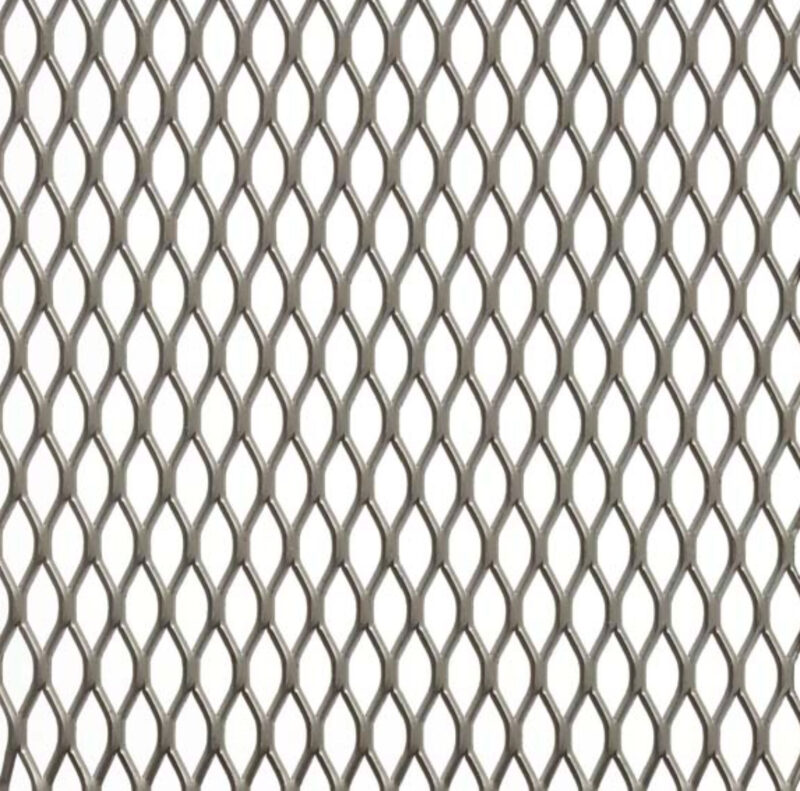
In the production of forklift yard ramps, expanded metal mesh is used as the floor surface, combined with I-beam steel frames to increase durability and stability. This helps forklifts move safely, especially when loading and unloading goods onto containers. With forklift yard ramp products from Naltako, expanded metal mesh not only ensures safety but also optimizes costs and project lifespan. Contact Naltako immediately via hotline 0986868003 – 0981.977.898 for detailed advice on forklift ramps and quality lifting equipment!
>>> Hydraulic lift tables or forklift yard ramps: Which one to choose?
What is the Structure of Anti-Slip Expanded Metal Mesh?
Expanded metal mesh is manufactured from materials such as steel sheets, steel plates, galvanized steel wire, or even PVC plastic depending on the purpose of use. The production process uses hot-rolling, cold-rolling, or hot-dip galvanizing technology to create diamond, hexagonal, or checkered mesh cells with a common wire thickness of about 0.6mm. These mesh cells are designed evenly and balanced, helping to increase the load-bearing capacity of expanded metal mesh and effectively prevent slipping. The diamond or hexagonal mesh structure creates high friction, especially suitable for contact surfaces such as forklift yard ramp floors or operation platforms in industrial warehouse systems.
The special structure of expanded metal mesh allows it to withstand strong tensile forces and impacts, while resisting wear in harsh environmental conditions. For example, galvanized expanded metal mesh has a protective coating, helping to resist corrosion when used outdoors. Meanwhile, PVC plastic mesh is lightweight, easy to install, and suitable for applications that do not require heavy loads. These features make expanded metal mesh an ideal choice for container loading equipment and projects requiring high durability.
Types of Expanded Metal Mesh like Galvanized Mesh
There are many types of expanded metal mesh, classified based on material and mesh shape, meeting diverse needs in load-bearing steel structures and industrial warehouse design. Below are the common types:
- Galvanized expanded metal mesh: Made from black steel or steel plate, then coated with a zinc layer by hot-dip galvanizing or cold plating method. This type has high durability, good corrosion resistance, suitable for outdoor environments such as forklift ramps or construction fences.
- Powder-coated expanded metal mesh: The surface is powder-coated, increasing aesthetics and oxidation resistance. This type is often used in interior decoration or projects requiring high aesthetics.
- Stainless steel expanded metal mesh: Uses stainless steel (inox 304), has high brightness, superior oxidation resistance, but the cost is higher. Suitable for environments requiring hygiene such as food or medical.
- Plastic-coated expanded metal mesh: The steel core is wrapped in a PVC or PE plastic layer, usually green or black, lightweight and easy to install. This type is used in animal husbandry or applications that do not need large loads.
Common mesh sizes include 6x12mm, 10x20mm, 15x30mm, 45x90mm, with mesh shapes such as diamond, hexagonal, or square. Each type of mesh is manufactured according to standards such as TCVN, JIS, or ASTM, ensuring quality and durability. Depending on the needs, customers can choose the appropriate mesh for the ramp load or working environment.
Applications of Expanded Metal Mesh in Forklift Yard Ramps
In the production of forklift yard ramps, expanded metal mesh plays an important role thanks to its anti-slip characteristics and load-bearing capacity. Naltako uses expanded metal mesh as the floor surface for forklift ramps, combined with I-beam steel frames and a steel floor liner underneath to increase rigidity. With floor sizes from 2m to 2.35m in width, 12m to 14m in length, and loads from 6 to 12 tons, Naltako’s forklift ramps ensure forklifts move safely when loading and unloading goods onto containers.
Expanded metal mesh helps increase traction, reducing the risk of wheel slippage, especially in outdoor warehouse conditions or wet environments. In addition, the open mesh design prevents dirt accumulation, suitable for businesses dealing with fragile goods or food. The application of expanded metal mesh in industry not only improves labor safety but also extends the life of the ramp. To receive a detailed quote for forklift yard ramps, contact Naltako via email info@naltako.vn today!
Is Anti-Slip Expanded Metal Mesh Good? Evaluation
Anti-slip expanded metal mesh is highly appreciated for its ability to increase traction and good load-bearing. The diamond or hexagonal mesh surface creates large friction, helping forklifts move stably on the forklift ramp, especially in bad weather conditions such as rain or oily surfaces. Expanded metal mesh also has the advantage of corrosion resistance, suitable for outdoor and chemical environments, helping to significantly increase the life of forklift yard ramps. According to sources, expanded metal mesh can withstand loads from 6 to 12 tons, meeting the needs of most types of forklifts.
However, the disadvantage of expanded metal mesh is that the cost is higher than some materials such as plain steel sheets or wood. In addition, if not maintained periodically, the mesh can be torn or damaged when subjected to loads exceeding the limit. Even so, with the forklift yard ramp design using expanded metal mesh, this is still the optimal choice for businesses that need high durability and safety.
How Does Expanded Metal Mesh Affect Forklift Wheels?

Expanded metal mesh not only increases safety but also positively affects the PU wheels of forklifts. Thanks to the even and airy mesh surface, expanded metal mesh helps reduce tire wear compared to rough surfaces like concrete or plain steel. When the forklift moves on the forklift yard ramp, the expanded metal mesh creates good traction, helping the vehicle move smoother and more stably. This is especially important for hydraulic hand pallet trucks or Naltako’s scissor lifts, which require a smooth moving surface to protect the wheels.
In addition, the mesh design prevents dirt accumulation, reducing the risk of wheel damage due to debris or chemicals. According to sources, using expanded metal mesh on forklift yard ramps helps extend wheel life by up to 20-30% compared to common surfaces. This helps businesses save on maintenance and wheel replacement costs.
>>> Forklift yard ramp drawings and technical specifications
How to Install Expanded Metal Mesh on a Ramp
Installing expanded metal mesh on a forklift yard ramp requires care to ensure durability and safety. The basic process includes:
- Surface preparation: A floor lining sheet with a thickness of 3-5mm is firmly welded on the I-beam steel frame to create a solid foundation.
- Cutting and shaping the mesh: Expanded metal mesh is cut according to the floor surface size, usually from 2m to 2.35m in width, ensuring a snug fit with the ramp frame.
- Welding or fixing the mesh: Use expanded metal welding method or bolts to attach the mesh to the steel sheet layer. Ensure the welds are firm, not letting the mesh come loose when under load.
- Load checking: Check the load-bearing capacity of the ramp, usually from 6 to 12 tons, and ensure the mesh is not deformed when the forklift moves.
- Surface finishing: Cover with a hot-dip galvanized layer or powder coating to increase the corrosion resistance and durability of the expanded metal mesh.
When installing, it is necessary to note the working environment (indoor or outdoor) and ramp load to choose the appropriate type of mesh, such as galvanized expanded metal mesh for wet environments or stainless steel expanded metal mesh for chemical environments. This design ensures the forklift yard ramp operates effectively, safely, and durably.
Nội dung có liên quan:
-
 The Uses of Dock Levelers in Today’s Cold Storage Facilities
To ensure the operational efficiency of cold storage, selecting and using the correct support equipment is extremely important. One of the indispensable so...
The Uses of Dock Levelers in Today’s Cold Storage Facilities
To ensure the operational efficiency of cold storage, selecting and using the correct support equipment is extremely important. One of the indispensable so...
-
 Applications of Hydraulic Dock Levelers
Hydraulic Dock Leveler is a connecting device between the container floor and the warehouse floor, widely used in warehouses with high import and export fr...
Applications of Hydraulic Dock Levelers
Hydraulic Dock Leveler is a connecting device between the container floor and the warehouse floor, widely used in warehouses with high import and export fr...
-
 Why Are Forklift Ramps the Preferred Choice for Import and Export Operations?
Container loading ramps bring many important benefits to transport and cargo handling operations. Specially designed, container forklift ramps not only hel...
Why Are Forklift Ramps the Preferred Choice for Import and Export Operations?
Container loading ramps bring many important benefits to transport and cargo handling operations. Specially designed, container forklift ramps not only hel...
-
 Popular Forklift Ramp Models with Roofs in Use Today
Currently, forklift ramps with roofs have quickly attracted the attention of small and medium-sized enterprises. Not only are they a convenient means of tr...
Popular Forklift Ramp Models with Roofs in Use Today
Currently, forklift ramps with roofs have quickly attracted the attention of small and medium-sized enterprises. Not only are they a convenient means of tr...
-
 The Most Widely Used Cargo Handling Support Tools Today
There are many different tools available to support cargo loading and unloading, each with its own advantages and disadvantages. Users need to research and...
The Most Widely Used Cargo Handling Support Tools Today
There are many different tools available to support cargo loading and unloading, each with its own advantages and disadvantages. Users need to research and...
-
 What is a Loading Ramp? Applications of Ramps in Goods Transportation
What is a Loading Ramp?
A loading ramp, also known as a yard ramp or forklift ramp, is a powerful support device in the transportation of goods.
Essentia...
What is a Loading Ramp? Applications of Ramps in Goods Transportation
What is a Loading Ramp?
A loading ramp, also known as a yard ramp or forklift ramp, is a powerful support device in the transportation of goods.
Essentia...
-
 What is a scissor mechanism? Applications of scissor mechanisms in hydraulic lifting equipment
Today, scissor mechanisms are widely applied in hydraulic lifting equipment. These applications are extensively used in construction projects and bring hig...
What is a scissor mechanism? Applications of scissor mechanisms in hydraulic lifting equipment
Today, scissor mechanisms are widely applied in hydraulic lifting equipment. These applications are extensively used in construction projects and bring hig...
-
 Applications of dock levelers in production
A Dock Leveler is not just a bridge between the warehouse and the transport vehicle, but also a powerful assistant that helps you operate your production p...
Applications of dock levelers in production
A Dock Leveler is not just a bridge between the warehouse and the transport vehicle, but also a powerful assistant that helps you operate your production p...