

 Tiếng Việt
Tapered Rollers: Structure, Classification & Advantages
In automated conveyor systems, transporting goods in a straight line is fundamental. However, when it is necessary to redirect the product flow, especially at curves, traditional rollers cannot meet the requirements. Tapered rollers help the conveyor change direction smoothly and stably. With a unique design, tapered rollers have become an indispensable part of many factories and warehouses. Let’s join Naltako to learn in detail about the structure, classification, and special advantages of this roller.
What is a tapered roller?
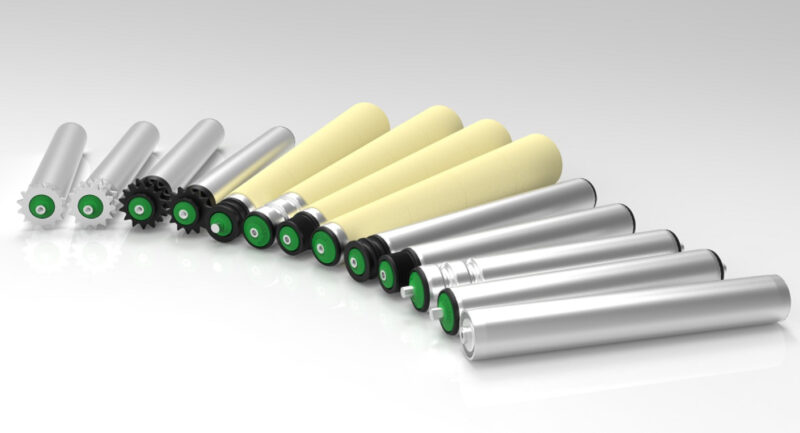
Tapered rollers are a type of roller designed with a truncated cone shape (tapered shape), having a large diameter at one end and tapering down at the other. This design allows the roller to create a centrifugal force, helping goods remain balanced and move along the correct trajectory at curves. Tapered rollers are often used in roller conveyor or chain conveyor systems, where the direction of material or product movement needs to be changed.
>>> What is a roller conveyor? What types of conveyor rollers are there?
Detailed structure of tapered rollers
The structure of a tapered roller includes:
- Roller shell: Made from materials such as galvanized steel, stainless steel, ABS plastic, or PVC. The roller shell is designed in a truncated cone shape, ensuring durability and corrosion resistance.
- Roller shaft: Usually made of steel, it is the main load-bearing component, connecting the roller to the conveyor frame.
- Bearings: Installed at both ends of the shaft, helping the roller rotate smoothly, reducing friction and noise.
- Seals: Prevent dust, water, and impurities from entering the bearings, extending the life of the roller.
- Coating: Depending on the application, the roller can be coated with a layer of rubber, PU, or other materials to increase friction and anti-slip properties for goods.
Classification of tapered rollers
Tapered rollers can be classified based on material, structure, and purpose of use:
- By material:
- Steel tapered rollers: Most common, high durability, high load capacity, suitable for heavy industries.
- Plastic tapered rollers: Lightweight, good corrosion resistance, often used in food, chemical, or humid environments.
- Rubber-coated tapered rollers: Increase friction, anti-slip, suitable for fragile goods or those needing stability.
- By structure:
- Driven tapered rollers: Driven by a motor, helping the conveyor move.
- Passive tapered rollers: Move thanks to the pushing force of the goods or friction from the main conveyor.
Advantages of using tapered rollers
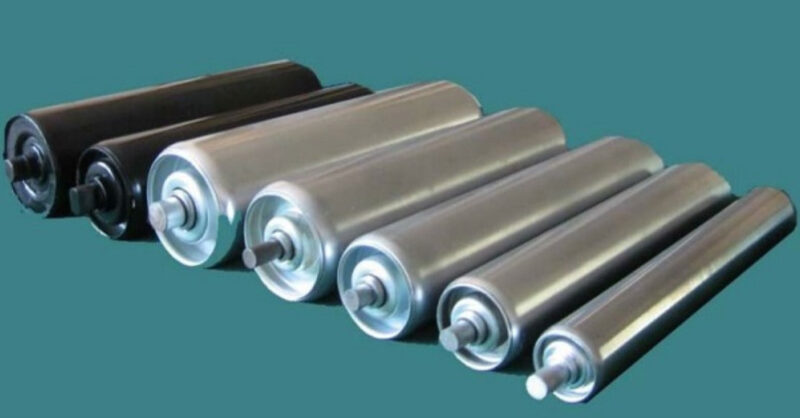
Using tapered rollers brings many practical benefits:
- Smooth direction change: The tapered design helps the conveyor change direction naturally, without causing strong collisions, protecting goods and equipment.
- Increased transport efficiency: Goods move continuously, without getting stuck at corners, helping to increase productivity.
- High durability: Sturdy structure, good load-bearing materials, helping the roller have a long lifespan, requiring little maintenance.
- Diverse applications: Can be used in many different industries, from manufacturing, packaging, to logistics. In large warehouses, the use of conveyor systems with tapered rollers combined with other equipment such as hydraulic goods lifts to move goods between floors is an optimal solution, helping the logistics process run smoothly, quickly, and safely.
Conclusion
Tapered rollers are a small but extremely important part of modern conveyor systems. With a smart design and outstanding advantages, this product has become the “key” to effectively and safely solving the problem of transporting goods at curves. Naltako is proud to be a provider of comprehensive industrial solutions, accompanying you on the path of sustainable development.
Nội dung có liên quan:
-
 What is a Mechanical Dock Leveler? How does it differ from a Hydraulic Dock Leveler?
Are you looking for a device to support loading and unloading goods from containers to the warehouse floor that is low-cost, highly durable, and easy to in...
What is a Mechanical Dock Leveler? How does it differ from a Hydraulic Dock Leveler?
Are you looking for a device to support loading and unloading goods from containers to the warehouse floor that is low-cost, highly durable, and easy to in...
-
 Popular Types of Hydraulic Freight Elevators Today
The role of hydraulic freight elevators in warehouses, production workshops, or construction sites is indisputable. However, the types of hydraulic freight...
Popular Types of Hydraulic Freight Elevators Today
The role of hydraulic freight elevators in warehouses, production workshops, or construction sites is indisputable. However, the types of hydraulic freight...
-
 Safe Working Load in Industrial Lifting and Cargo Handling
In the modern industrial and logistics environment, lifting and cargo handling activities take place continuously with large volumes and high frequencies. ...
Safe Working Load in Industrial Lifting and Cargo Handling
In the modern industrial and logistics environment, lifting and cargo handling activities take place continuously with large volumes and high frequencies. ...
-
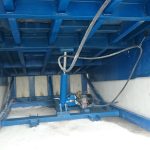 The Differences Between Mechanical Dock Levelers and Hydraulic Dock Levelers
The difference between hydraulic dock levelers and mechanical dock levelers is very clear – Hydraulic dock levelers operate automatically with a push of a ...
The Differences Between Mechanical Dock Levelers and Hydraulic Dock Levelers
The difference between hydraulic dock levelers and mechanical dock levelers is very clear – Hydraulic dock levelers operate automatically with a push of a ...
-
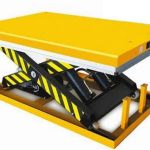 What Should You Consider When Buying a 700kg Hydraulic Lift Table?
The 700kg hydraulic lift table is a popular tool widely used in production workshops and warehouses. With a lifting capacity of 700kg, this hydraulic lift ...
What Should You Consider When Buying a 700kg Hydraulic Lift Table?
The 700kg hydraulic lift table is a popular tool widely used in production workshops and warehouses. With a lifting capacity of 700kg, this hydraulic lift ...
-
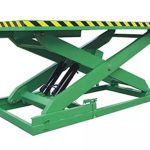 When Should You Use a 1000kg Hydraulic Lift Table?
Are you running a business in a warehouse or workshop that isn't too large and feeling that work efficiency hasn't reached your expectations? Are you looki...
When Should You Use a 1000kg Hydraulic Lift Table?
Are you running a business in a warehouse or workshop that isn't too large and feeling that work efficiency hasn't reached your expectations? Are you looki...
-
 Advantages of 500kg Manual Lift Tables You Should Know
Are you looking to buy a medium-duty manual hydraulic lift table for home use? Is your work frequency intermittent, and are you looking for a product with ...
Advantages of 500kg Manual Lift Tables You Should Know
Are you looking to buy a medium-duty manual hydraulic lift table for home use? Is your work frequency intermittent, and are you looking for a product with ...
-
 A Guide to Choosing High-Quality Hydraulic Dock Levelers Today
Hydraulic Dock Levelers are among the essential support devices for many fields and industries. Thanks to this product, the transport and storage of goods ...
A Guide to Choosing High-Quality Hydraulic Dock Levelers Today
Hydraulic Dock Levelers are among the essential support devices for many fields and industries. Thanks to this product, the transport and storage of goods ...