

 Tiếng Việt
Standard SS400 Steel Plate and Industrial Applications
Standard SS400 steel plate is one of the most important materials in the industrial and construction sectors in Vietnam. Manufactured according to the Japanese JIS G3101 standard, this type of steel stands out for its durability and flexibility, meeting diverse needs from factory structures to equipment manufacturing. At Naltako, we take pride in applying SS400 steel plates to our hydraulic lifting products, providing high-quality solutions for businesses. Let’s explore this steel type in detail and how Naltako utilizes it to create durable and efficient equipment.
What is SS400 steel plate in construction?
SS400 steel plate is a popular type of SS400 carbon steel, produced under the Japanese JIS G3101 standard. The “SS” stands for “Steel Structure,” while the number “400” represents the minimum tensile strength of 400 N/mm². With a tensile strength ranging from 400-510 MPa, SS400 steel plate offers good load-bearing capacity and is easy to process and weld, making it suitable for many projects within the building materials system. It is an ideal choice for structures such as factories, bridges, or steel frames due to its flexibility and reasonable cost.
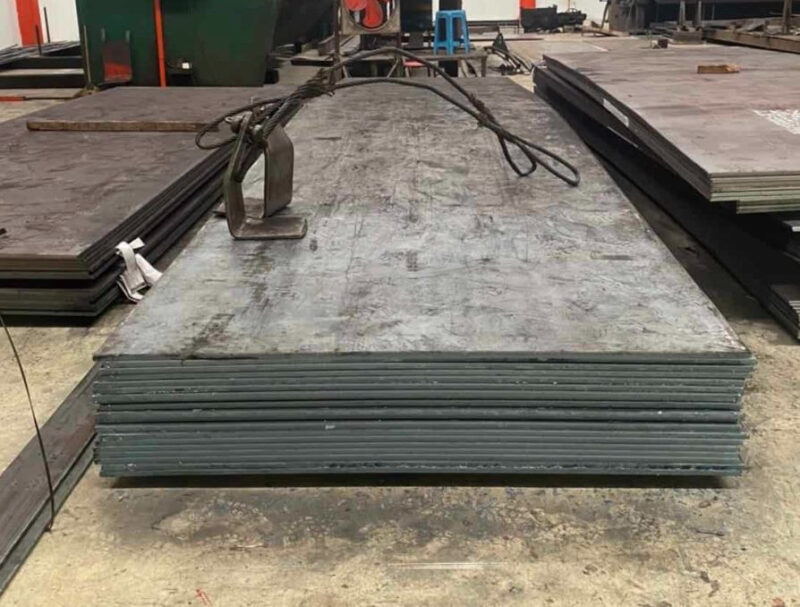
At Naltako, we use SS400 structural steel to manufacture lifting equipment such as scissor lifts and hydraulic lift tables. For example, our scissor lifts are made from 5mm thick SS400 steel plate, ensuring a load capacity of up to 500kg while maintaining durability and safety. Similarly, hydraulic lift tables leverage the ductility of JIS G3101 SS400 steel to operate stably in harsh industrial environments. This not only enhances performance but also extends product lifespan, helping businesses save on maintenance costs.
What is the JIS G3101 SS400 steel plate standard?
The JIS G3101 (1987) standard is a Japanese set of regulations for SS400 steel plates, including requirements for chemical composition and mechanical properties. According to this standard, SS400 steel must reach a tensile strength of 400-510 MPa, an elongation of 20-24% depending on thickness, and a yield strength that varies by size (245 MPa for thickness ≤16mm, 235 MPa for 16-40mm). This is an international benchmark widely applied in steel structure production systems, ensuring consistent quality for steel products.
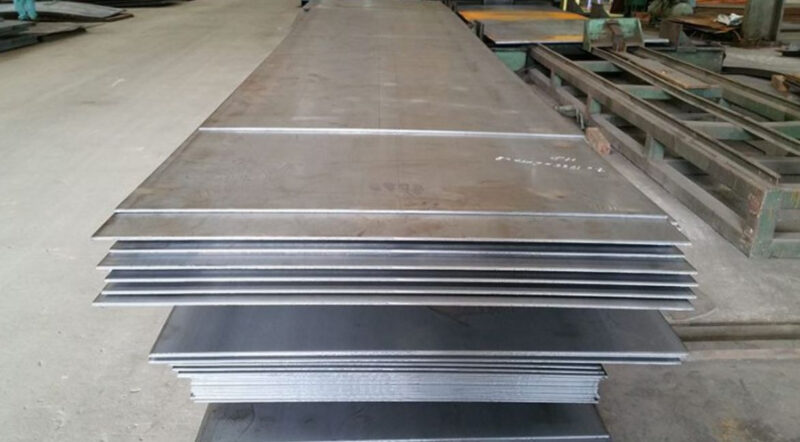
Naltako is committed to complying with the JIS G3101 standard when manufacturing equipment such as freight elevators. Each steel plate is carefully controlled from material selection to processing, ensuring the equipment meets the strict requirements of the steel industry. For instance, our freight elevators use 10mm thick hot-rolled SS400 steel, which handles heavy loads and operates stably over long periods. Strict quality inspection processes help Naltako deliver products that are not only durable but also safe for users.
What is the chemical composition of SS400 steel?
SS400 steel plate has a chemical composition strictly controlled according to the JIS G3101 standard, including:
- Carbon (C): 0.14-0.22% – Increases hardness and load-bearing capacity.
- Manganese (Mn): 0.30-0.80% – Improves ductility and wear resistance.
- Phosphorus (P) and Sulfur (S): ≤0.05% – Limited to reduce the risk of brittleness and weld cracking.
Thanks to this composition, SS400 steel has high elongation, making it easy to bend and process, which is very suitable for the industrial material supply chain. Naltako utilizes these characteristics to produce equipment such as forklift ramps. With a thickness of 8mm, forklift ramps made from SS400 steel handle loads well and are easy to install and use in warehouses. The optimized chemical composition makes our products both durable and flexible, meeting the practical needs of customers.
Applications of SS400 steel plate in industry?
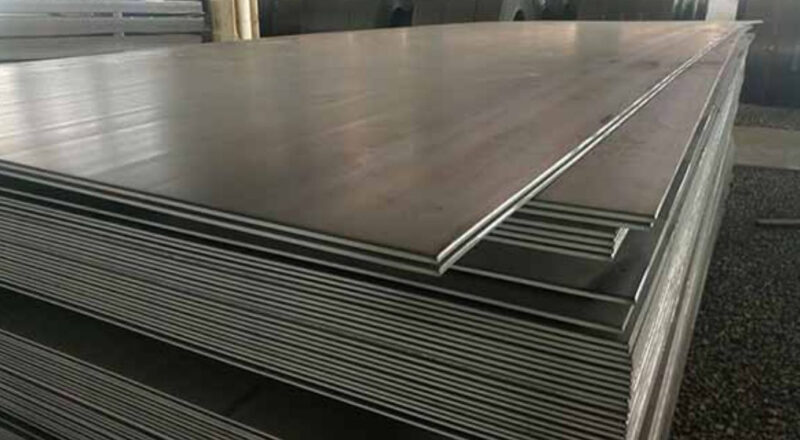
SS400 steel plate is widely used in the steel industry due to its load-bearing capacity and flexibility. Typical applications include:
- Factory construction: Used for frames, columns, and beams in light structures.
- Machinery manufacturing: Producing load-bearing components for industrial equipment.
- Shipbuilding and bridge construction: Ensuring durability in harsh environments.
Naltako applies hot-rolled SS400 steel to products such as mini cranes and hydraulic hand pallet trucks. For example, a 6mm thick mini crane made from SS400 steel can lift a 1-ton load, suitable for small projects. Similarly, hydraulic pallet trucks utilize the steel’s durability for smooth operation and saved maintenance costs. This is a testament to how Naltako optimizes materials to bring real value to customers.
What are the differences between SS400 and Q345 steel?
SS400 and Q345 are two popular steel types, but they differ in properties and applications:
- Tensile strength: SS400 ranges from 400-510 MPa, while Q345 ranges from 470-630 MPa.
- Yield strength: SS400 is 245 MPa (thickness ≤16mm), lower than Q345 at 345 MPa.
- Applications: SS400 is suitable for moderate load-bearing structures, while Q345 is used for heavy-duty projects.
Naltako chooses SS400 steel plate for equipment like tipping lift tables to ensure efficiency and reasonable costs. With a thickness of 4mm, tipping lift tables can handle an 800kg load, ideal for light cargo transport. This choice helps businesses save money while still ensuring quality within the building materials system.
Do you need advice on choosing the right steel for your lifting equipment? Contact us now at 0981.977.898 to partner with Naltako and receive high-quality solutions!
Nội dung có liên quan:
-
 What is a Mechanical Dock Leveler? How does it differ from a Hydraulic Dock Leveler?
Are you looking for a device to support loading and unloading goods from containers to the warehouse floor that is low-cost, highly durable, and easy to in...
What is a Mechanical Dock Leveler? How does it differ from a Hydraulic Dock Leveler?
Are you looking for a device to support loading and unloading goods from containers to the warehouse floor that is low-cost, highly durable, and easy to in...
-
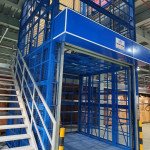 Popular Types of Hydraulic Freight Elevators Today
The role of hydraulic freight elevators in warehouses, production workshops, or construction sites is indisputable. However, the types of hydraulic freight...
Popular Types of Hydraulic Freight Elevators Today
The role of hydraulic freight elevators in warehouses, production workshops, or construction sites is indisputable. However, the types of hydraulic freight...
-
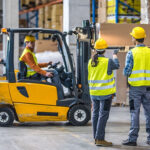 Safe Working Load in Industrial Lifting and Cargo Handling
In the modern industrial and logistics environment, lifting and cargo handling activities take place continuously with large volumes and high frequencies. ...
Safe Working Load in Industrial Lifting and Cargo Handling
In the modern industrial and logistics environment, lifting and cargo handling activities take place continuously with large volumes and high frequencies. ...
-
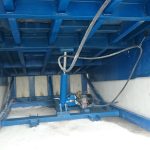 The Differences Between Mechanical Dock Levelers and Hydraulic Dock Levelers
The difference between hydraulic dock levelers and mechanical dock levelers is very clear – Hydraulic dock levelers operate automatically with a push of a ...
The Differences Between Mechanical Dock Levelers and Hydraulic Dock Levelers
The difference between hydraulic dock levelers and mechanical dock levelers is very clear – Hydraulic dock levelers operate automatically with a push of a ...
-
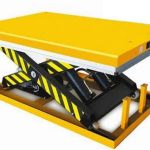 What Should You Consider When Buying a 700kg Hydraulic Lift Table?
The 700kg hydraulic lift table is a popular tool widely used in production workshops and warehouses. With a lifting capacity of 700kg, this hydraulic lift ...
What Should You Consider When Buying a 700kg Hydraulic Lift Table?
The 700kg hydraulic lift table is a popular tool widely used in production workshops and warehouses. With a lifting capacity of 700kg, this hydraulic lift ...
-
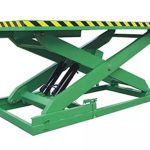 When Should You Use a 1000kg Hydraulic Lift Table?
Are you running a business in a warehouse or workshop that isn't too large and feeling that work efficiency hasn't reached your expectations? Are you looki...
When Should You Use a 1000kg Hydraulic Lift Table?
Are you running a business in a warehouse or workshop that isn't too large and feeling that work efficiency hasn't reached your expectations? Are you looki...
-
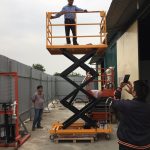 Advantages of 500kg Manual Lift Tables You Should Know
Are you looking to buy a medium-duty manual hydraulic lift table for home use? Is your work frequency intermittent, and are you looking for a product with ...
Advantages of 500kg Manual Lift Tables You Should Know
Are you looking to buy a medium-duty manual hydraulic lift table for home use? Is your work frequency intermittent, and are you looking for a product with ...
-
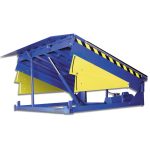 A Guide to Choosing High-Quality Hydraulic Dock Levelers Today
Hydraulic Dock Levelers are among the essential support devices for many fields and industries. Thanks to this product, the transport and storage of goods ...
A Guide to Choosing High-Quality Hydraulic Dock Levelers Today
Hydraulic Dock Levelers are among the essential support devices for many fields and industries. Thanks to this product, the transport and storage of goods ...