

 Tiếng Việt
Production, installation, and handover process of container loading ramps
Container loading ramps are key equipment that helps optimize the cargo loading and unloading process. The seamless connection between the warehouse floor and the container not only accelerates loading speeds but also ensures absolute safety for people and equipment. To provide a perfect product, the process from production to installation and handover requires professionalism, precision, and strict adherence to technical standards. Let’s explore the steps in Naltako’s production, installation, and handover process of container loading ramps in detail.
Request reception and site survey
The first step in the survey process is receiving information from the customer regarding basic specifications such as the type of forklift used, maximum load capacity, container/truck type, warehouse floor height, and usage frequency. Afterward, the technical team will visit the site directly for a physical survey. Factors such as warehouse floor height, access position, ground type, and movement space are thoroughly recorded. Based on this data, Naltako experts will analyze and consult on the most optimal ramp solution, including dimensions, load capacity, materials, and additional features.
>>> Top 10 reputable forklift ramp manufacturing units in Vietnam
Technical Design
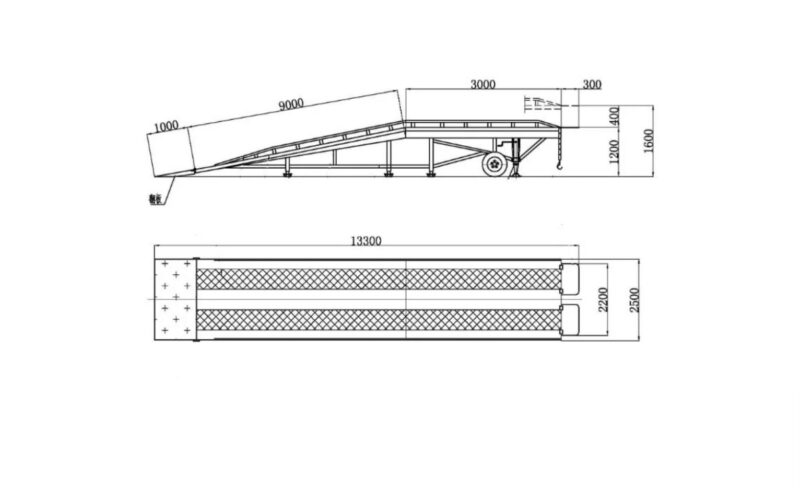
After agreement, Naltako’s engineering team will proceed to design detailed technical drawings of the ramp. This drawing includes every parameter from the load-bearing structure and material type to connection details, the lifting system, and safety features. The drawing will then be presented to the customer for review and approval, ensuring it meets all agreed requirements.
Manufacturing and Production
This stage begins with preparing high-grade load-bearing steel materials, selected according to international standards. The material is then cut, welded, and bent according to the drawing by highly skilled technicians, adhering to strict welding processes to ensure durability and structural integrity. All parts undergo quality checks after each machining stage and surface finishing by cleaning, applying anti-rust paint, and finish paint, ensuring durability and aesthetics.
Installation at the site
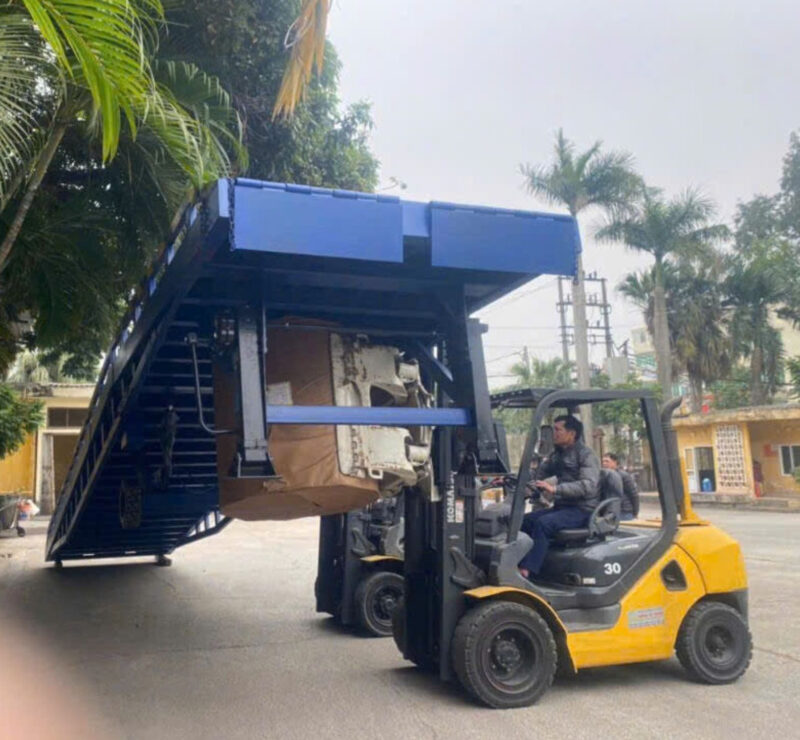
After the parts are complete, the forklift ramp will be transported to the investor. The technical team will provide instructions and begin load testing to check overall basic functions and safety mechanisms.
Load testing and Handover
The final step is static and dynamic load testing; the ramp will be tested for load-bearing capacity under maximum load and when the forklift is moving. At the same time, all safety features such as locking pins and anti-slip features are also thoroughly checked. Afterward, the staff will provide detailed training on safe operation and basic maintenance. When all tests meet requirements and the customer is satisfied, both parties will proceed with the official handover, signing the acceptance minutes, and confirming warranty terms.
Conclusion
The production, installation, and handover process of Naltako container loading ramps is a testament to our commitment to quality and professionalism. From the meticulous request reception and site survey stage to the strict production process, everything is executed with absolute precision. Contact Naltako immediately to receive consultation on quality forklift ramp products.
Nội dung có liên quan:
-
 What is a Mechanical Dock Leveler? How does it differ from a Hydraulic Dock Leveler?
Are you looking for a device to support loading and unloading goods from containers to the warehouse floor that is low-cost, highly durable, and easy to in...
What is a Mechanical Dock Leveler? How does it differ from a Hydraulic Dock Leveler?
Are you looking for a device to support loading and unloading goods from containers to the warehouse floor that is low-cost, highly durable, and easy to in...
-
 Popular Types of Hydraulic Freight Elevators Today
The role of hydraulic freight elevators in warehouses, production workshops, or construction sites is indisputable. However, the types of hydraulic freight...
Popular Types of Hydraulic Freight Elevators Today
The role of hydraulic freight elevators in warehouses, production workshops, or construction sites is indisputable. However, the types of hydraulic freight...
-
 Safe Working Load in Industrial Lifting and Cargo Handling
In the modern industrial and logistics environment, lifting and cargo handling activities take place continuously with large volumes and high frequencies. ...
Safe Working Load in Industrial Lifting and Cargo Handling
In the modern industrial and logistics environment, lifting and cargo handling activities take place continuously with large volumes and high frequencies. ...
-
 The Differences Between Mechanical Dock Levelers and Hydraulic Dock Levelers
The difference between hydraulic dock levelers and mechanical dock levelers is very clear – Hydraulic dock levelers operate automatically with a push of a ...
The Differences Between Mechanical Dock Levelers and Hydraulic Dock Levelers
The difference between hydraulic dock levelers and mechanical dock levelers is very clear – Hydraulic dock levelers operate automatically with a push of a ...
-
 What Should You Consider When Buying a 700kg Hydraulic Lift Table?
The 700kg hydraulic lift table is a popular tool widely used in production workshops and warehouses. With a lifting capacity of 700kg, this hydraulic lift ...
What Should You Consider When Buying a 700kg Hydraulic Lift Table?
The 700kg hydraulic lift table is a popular tool widely used in production workshops and warehouses. With a lifting capacity of 700kg, this hydraulic lift ...
-
 When Should You Use a 1000kg Hydraulic Lift Table?
Are you running a business in a warehouse or workshop that isn't too large and feeling that work efficiency hasn't reached your expectations? Are you looki...
When Should You Use a 1000kg Hydraulic Lift Table?
Are you running a business in a warehouse or workshop that isn't too large and feeling that work efficiency hasn't reached your expectations? Are you looki...
-
 Advantages of 500kg Manual Lift Tables You Should Know
Are you looking to buy a medium-duty manual hydraulic lift table for home use? Is your work frequency intermittent, and are you looking for a product with ...
Advantages of 500kg Manual Lift Tables You Should Know
Are you looking to buy a medium-duty manual hydraulic lift table for home use? Is your work frequency intermittent, and are you looking for a product with ...
-
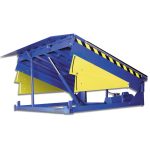 A Guide to Choosing High-Quality Hydraulic Dock Levelers Today
Hydraulic Dock Levelers are among the essential support devices for many fields and industries. Thanks to this product, the transport and storage of goods ...
A Guide to Choosing High-Quality Hydraulic Dock Levelers Today
Hydraulic Dock Levelers are among the essential support devices for many fields and industries. Thanks to this product, the transport and storage of goods ...