

 Tiếng Việt
Plastic Elevator Buckets – A Breakthrough Solution for Transporting Lightweight Materials
While traditional methods for vertically transporting lightweight, granular, powder, or pellet materials are often costly, inefficient, and prone to loss, the introduction of plastic elevator buckets helps optimize this process amazingly. With a smart design and outstanding advantages, plastic elevator buckets not only help save costs but also significantly improve productivity. In this article, Naltako will join you in exploring deep into what plastic elevator buckets are, along with their structure, advantages, and practical applications.
What is a Plastic Elevator Bucket?
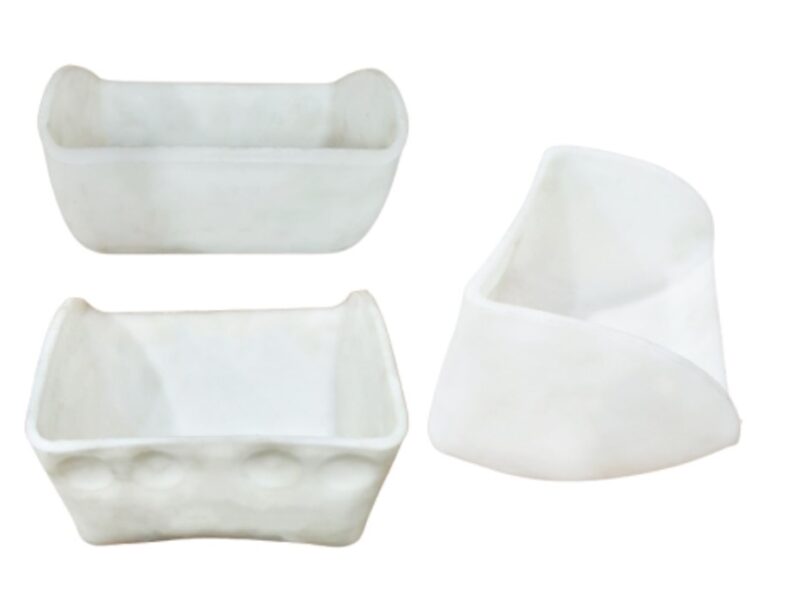
Plastic elevator buckets are specialized equipment used in vertical conveyor systems (commonly called bucket elevators). In essence, a plastic elevator bucket is a bucket, or a small shovel, made from high-grade engineering plastics such as HDPE, Nylon, Polyurethane (PU), or Polypropylene (PP). These buckets are fixed onto a conveyor belt or chain, moving in a vertical direction. As they move, these buckets scoop material from below and carry it upwards, then discharge the material at the end of the journey.
The structure of a complete bucket elevator system includes:
- Plastic elevator buckets: The part that directly scoops and transports the material.
- Conveyor belt or load chain: The drive component where the elevator buckets are attached.
- Elevator leg/casing: The body of the system where the conveyor belt moves.
- Drive system: The motor and support components that help the conveyor operate.
>>> What is a DIY conveyor? Should you use a homemade conveyor?
Advantages of using plastic elevator buckets
The popularity of plastic elevator buckets stems from their outstanding advantages compared to buckets made of other materials:
- Lightweight: Plastic is much lighter than metal, helping to reduce the load on the entire bucket elevator system. This helps save energy, reduce mechanical wear, and extend the lifespan of the belt, chain, and motor.
- Corrosion and chemical resistance: Plastic elevator buckets do not rust and are not corroded by chemicals, acids, or corrosive agents in the production environment. This is especially important in the chemical and food industries.
- Non-stick properties: The plastic surface is smooth and non-stick, preventing material from clinging to the bucket. This ensures high transport efficiency and easy cleaning, especially with moist or sticky materials.
- High durability and wear resistance: Engineering plastics like HDPE and Nylon have good resistance to abrasion and impact, helping plastic elevator buckets operate effectively in harsh working environments.
- Reasonable cost: Compared to metal buckets, plastic elevator buckets are cheaper, helping businesses save on initial investment costs.
In logistics operations, when granular materials need to be transported from production areas to trucks or storage areas, a hydraulic lift table can be used to lift material containers up high, then pour them into the bucket elevator system for transport to silos or tanker trucks. This combination creates a closed, automated, and efficient process.
>>> Butterfly conveyor: Structure, advantages & applications
Applications of plastic elevator buckets
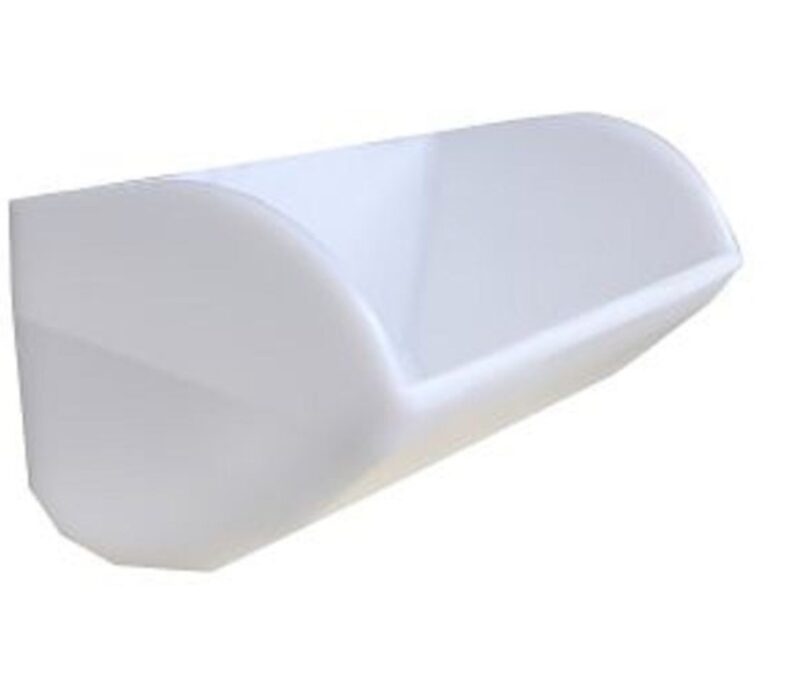
With their superior advantages, plastic elevator buckets are widely applied in many industries:
- Agriculture industry: Transporting paddy, rice, corn, coffee, cashews, and other grains from storage to silos or into processing machines.
- Food industry: Transporting granular ingredients like sugar, salt, flour, candies… in confectionery and food processing factories.
- Chemical and plastic manufacturing industry: Transporting plastic pellets, powder chemicals, pellets… from the production area to packaging or storage.
- Animal feed production: Transporting ingredients and finished products in pellet or granule form… in livestock and poultry feed factories.
Conclusion
Plastic elevator buckets are a smart, efficient, and economic material transport solution, playing an important role in many modern industries. Investing in a quality bucket elevator system and using suitable plastic elevator buckets will help businesses optimize production processes, save costs, and sustainably improve productivity. Naltako is proud to be a provider of comprehensive lifting and logistics solutions, accompanying you on the path of development and success.
Nội dung có liên quan:
-
 What is a Mechanical Dock Leveler? How does it differ from a Hydraulic Dock Leveler?
Are you looking for a device to support loading and unloading goods from containers to the warehouse floor that is low-cost, highly durable, and easy to in...
What is a Mechanical Dock Leveler? How does it differ from a Hydraulic Dock Leveler?
Are you looking for a device to support loading and unloading goods from containers to the warehouse floor that is low-cost, highly durable, and easy to in...
-
 Popular Types of Hydraulic Freight Elevators Today
The role of hydraulic freight elevators in warehouses, production workshops, or construction sites is indisputable. However, the types of hydraulic freight...
Popular Types of Hydraulic Freight Elevators Today
The role of hydraulic freight elevators in warehouses, production workshops, or construction sites is indisputable. However, the types of hydraulic freight...
-
 Safe Working Load in Industrial Lifting and Cargo Handling
In the modern industrial and logistics environment, lifting and cargo handling activities take place continuously with large volumes and high frequencies. ...
Safe Working Load in Industrial Lifting and Cargo Handling
In the modern industrial and logistics environment, lifting and cargo handling activities take place continuously with large volumes and high frequencies. ...
-
 The Differences Between Mechanical Dock Levelers and Hydraulic Dock Levelers
The difference between hydraulic dock levelers and mechanical dock levelers is very clear – Hydraulic dock levelers operate automatically with a push of a ...
The Differences Between Mechanical Dock Levelers and Hydraulic Dock Levelers
The difference between hydraulic dock levelers and mechanical dock levelers is very clear – Hydraulic dock levelers operate automatically with a push of a ...
-
 What Should You Consider When Buying a 700kg Hydraulic Lift Table?
The 700kg hydraulic lift table is a popular tool widely used in production workshops and warehouses. With a lifting capacity of 700kg, this hydraulic lift ...
What Should You Consider When Buying a 700kg Hydraulic Lift Table?
The 700kg hydraulic lift table is a popular tool widely used in production workshops and warehouses. With a lifting capacity of 700kg, this hydraulic lift ...
-
 When Should You Use a 1000kg Hydraulic Lift Table?
Are you running a business in a warehouse or workshop that isn't too large and feeling that work efficiency hasn't reached your expectations? Are you looki...
When Should You Use a 1000kg Hydraulic Lift Table?
Are you running a business in a warehouse or workshop that isn't too large and feeling that work efficiency hasn't reached your expectations? Are you looki...
-
 Advantages of 500kg Manual Lift Tables You Should Know
Are you looking to buy a medium-duty manual hydraulic lift table for home use? Is your work frequency intermittent, and are you looking for a product with ...
Advantages of 500kg Manual Lift Tables You Should Know
Are you looking to buy a medium-duty manual hydraulic lift table for home use? Is your work frequency intermittent, and are you looking for a product with ...
-
 A Guide to Choosing High-Quality Hydraulic Dock Levelers Today
Hydraulic Dock Levelers are among the essential support devices for many fields and industries. Thanks to this product, the transport and storage of goods ...
A Guide to Choosing High-Quality Hydraulic Dock Levelers Today
Hydraulic Dock Levelers are among the essential support devices for many fields and industries. Thanks to this product, the transport and storage of goods ...