

 Tiếng Việt
Applications of rubber anti-vibration pads in industry
Rubber anti-vibration pads are a type of material made from synthetic or natural rubber. With a special structure and high elasticity, rubber anti-vibration pads have the ability to absorb heat and eliminate vibrations, impacts, and shocks from machinery and equipment. This product comes in the form of sheets, blocks, or pads, placed at the contact position between machinery and the floor or between machine parts. This article will delve into what rubber anti-vibration pads are and their wide practical applications.
Outstanding advantages of rubber anti-vibration pads
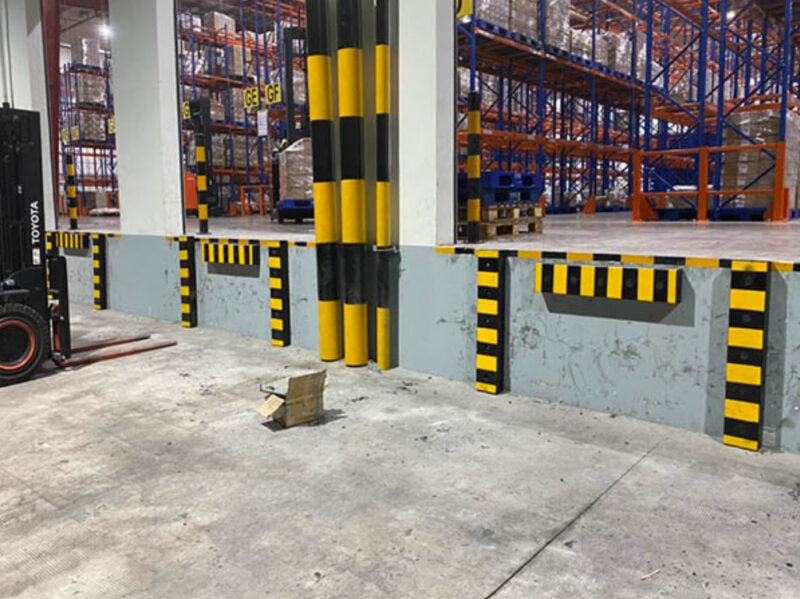
Superior characteristics of rubber anti-vibration pads include:
- Load-bearing capacity and abrasion resistance: Made from high-quality rubber materials, anti-vibration pads have good mechanical durability, withstand heavy loads, and do not deform under continuous compression force.
- Chemical and weather resistance: Many types of rubber pads are manufactured to resist corrosion from oil, chemicals, and environmental effects, helping the product have a long lifespan.
- Application flexibility: Can be cut, bent, and shaped into many different sizes and shapes, suitable for all types of machinery and equipment.
>>> Dock leveler accessories – an upgrade solution not to be missed
Applications of rubber anti-vibration pads
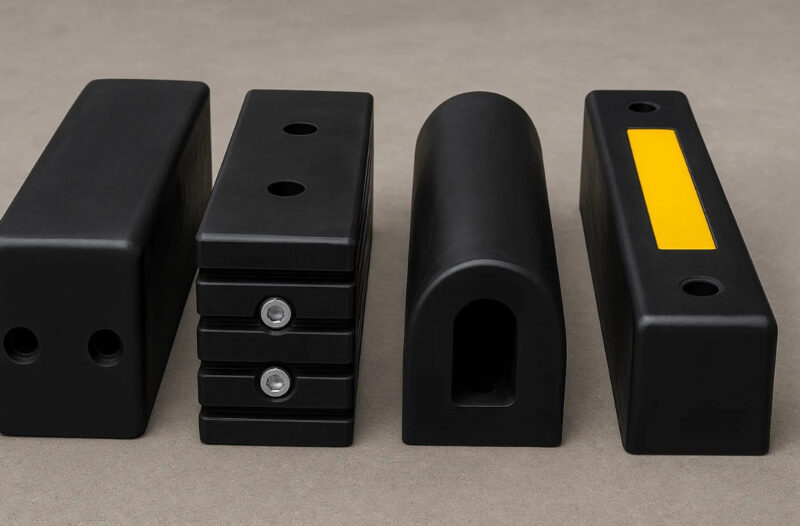
With superior characteristics, rubber anti-vibration pads are widely applied in many different industrial fields.
- In the manufacturing and fabrication industry: This is the most common field of application. Rubber anti-vibration pads are used to support machine tools, stamping machines, compressors, generators, or dock levelers. This helps significantly reduce vibrations transmitted to the floor, protecting the foundation and neighboring equipment. At the same time, it also reduces noise emission, creating a quieter and safer working environment for workers. Thanks to rubber anti-vibration pads, machinery lifespan is also extended, minimizing maintenance and repair costs.
- In the construction industry: Rubber anti-vibration pads are used as cushioning layers for concrete structures, bridges, roads, and civil works. It helps absorb vibrations from vehicles or construction activities, preventing cracking and structural damage. Rubber anti-vibration pads are also used in high-rise buildings to minimize the effects of earthquakes and wind.
- In the transportation industry: Vehicles such as trains, trams, and heavy trucks often cause large vibrations. Rubber anti-vibration pads are used as liners for rails, mounts for vehicle engines, and other parts to minimize vibration and noise, while enhancing stability and safety during operation.
- In the electrical and energy sector: Transformers, generators, and other large electrical equipment all create vibrations during operation. Using rubber anti-vibration pads helps fix the equipment, protect sensitive parts, and minimize risks of short circuits and damage.
Conclusion
As can be seen, rubber anti-vibration pads are not just a simple accessory but also an important technical solution, contributing to the safety, efficiency, and sustainability of industrial activities. From protecting machinery and extending equipment lifespan to improving the working environment and ensuring structural safety, the role of rubber anti-vibration pads is undeniable. Naltako is proud to be a supplier of high-quality anti-vibration products, diverse in types and sizes, meeting the most demanding needs of customers. Let us accompany you on the path of sustainable and efficient development.
Nội dung có liên quan:
-
 What is a Mechanical Dock Leveler? How does it differ from a Hydraulic Dock Leveler?
Are you looking for a device to support loading and unloading goods from containers to the warehouse floor that is low-cost, highly durable, and easy to in...
What is a Mechanical Dock Leveler? How does it differ from a Hydraulic Dock Leveler?
Are you looking for a device to support loading and unloading goods from containers to the warehouse floor that is low-cost, highly durable, and easy to in...
-
 Popular Types of Hydraulic Freight Elevators Today
The role of hydraulic freight elevators in warehouses, production workshops, or construction sites is indisputable. However, the types of hydraulic freight...
Popular Types of Hydraulic Freight Elevators Today
The role of hydraulic freight elevators in warehouses, production workshops, or construction sites is indisputable. However, the types of hydraulic freight...
-
 Safe Working Load in Industrial Lifting and Cargo Handling
In the modern industrial and logistics environment, lifting and cargo handling activities take place continuously with large volumes and high frequencies. ...
Safe Working Load in Industrial Lifting and Cargo Handling
In the modern industrial and logistics environment, lifting and cargo handling activities take place continuously with large volumes and high frequencies. ...
-
 The Differences Between Mechanical Dock Levelers and Hydraulic Dock Levelers
The difference between hydraulic dock levelers and mechanical dock levelers is very clear – Hydraulic dock levelers operate automatically with a push of a ...
The Differences Between Mechanical Dock Levelers and Hydraulic Dock Levelers
The difference between hydraulic dock levelers and mechanical dock levelers is very clear – Hydraulic dock levelers operate automatically with a push of a ...
-
 What Should You Consider When Buying a 700kg Hydraulic Lift Table?
The 700kg hydraulic lift table is a popular tool widely used in production workshops and warehouses. With a lifting capacity of 700kg, this hydraulic lift ...
What Should You Consider When Buying a 700kg Hydraulic Lift Table?
The 700kg hydraulic lift table is a popular tool widely used in production workshops and warehouses. With a lifting capacity of 700kg, this hydraulic lift ...
-
 When Should You Use a 1000kg Hydraulic Lift Table?
Are you running a business in a warehouse or workshop that isn't too large and feeling that work efficiency hasn't reached your expectations? Are you looki...
When Should You Use a 1000kg Hydraulic Lift Table?
Are you running a business in a warehouse or workshop that isn't too large and feeling that work efficiency hasn't reached your expectations? Are you looki...
-
 Advantages of 500kg Manual Lift Tables You Should Know
Are you looking to buy a medium-duty manual hydraulic lift table for home use? Is your work frequency intermittent, and are you looking for a product with ...
Advantages of 500kg Manual Lift Tables You Should Know
Are you looking to buy a medium-duty manual hydraulic lift table for home use? Is your work frequency intermittent, and are you looking for a product with ...
-
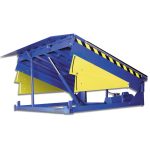 A Guide to Choosing High-Quality Hydraulic Dock Levelers Today
Hydraulic Dock Levelers are among the essential support devices for many fields and industries. Thanks to this product, the transport and storage of goods ...
A Guide to Choosing High-Quality Hydraulic Dock Levelers Today
Hydraulic Dock Levelers are among the essential support devices for many fields and industries. Thanks to this product, the transport and storage of goods ...